
Lieferung heute & morgen

Qualitätsgarantie

Willkommens-Angebote freischalten: KOSTENLOSE Lieferung | Bis zu 80 % RABATT | Kostenlose 30-Tage-JoyPlus-Testphase
App herunterladen
A rolling cart promises flexible organisation and extra storage, right where you need it. But the search for the right model can quickly become overwhelming. Many products look similar at first glance, only to reveal their weaknesses during daily use. Before you make a decision, it's important to know the common pitfalls that often lead to a poor purchase.
Two common problems are unstable construction and unsuitable casters. A cart that wobbles under a light load or has a frame that warps is not only impractical but also a safety hazard. Equally frustrating are casters that scratch hard floors, get stuck on carpet, or lack locking brakes, causing the cart to roll away unintentionally. Another issue is exaggerated load capacity claims, which often only apply under ideal, static conditions and are not achievable in everyday use.
To ensure your new rolling cart is a durable and practical asset, you should carefully examine three core aspects: material, caster quality, and the specific dimensions in relation to its functionality.
The frame's material is crucial for stability and longevity. Metal, particularly powder-coated steel, is a popular choice for kitchen carts and side carts because it's robust, easy to clean, and often available in a modern industrial design. Pay attention to the joints: are the parts cleanly welded or connected with solid screws? A thin, push-fit frame is more prone to wobbling. The thickness of the frame and shelves also indicates the expected stability.
A rolling cart is only as good as its casters. The key features here are the material and functionality.
Measure your available space carefully before choosing a model. A narrow slim cart can make optimal use of unused space between a refrigerator and a wall, while a wider rolling shelf offers more surface area. Models with 3 tiers are a good standard for most applications in the kitchen, bathroom, or office. If the cart is only needed occasionally, a foldable model is a space-saving solution. Also, check the height of the individual tiers to ensure your items (e.g., tall bottles or binders) will fit.
Based on the criteria above, we have identified several models suitable for different needs and use cases.
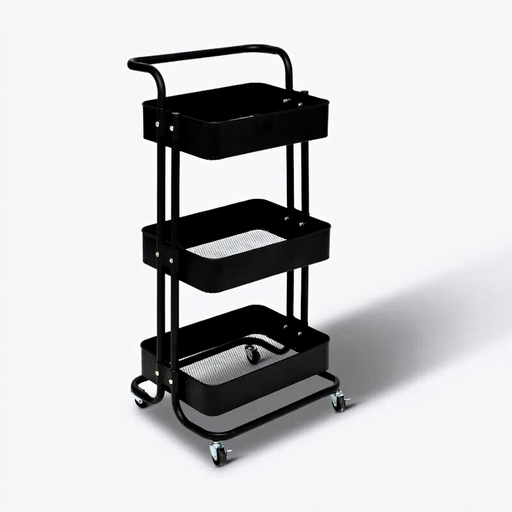
Why This Fits Their Persona: Ideal for those who need a straightforward and functional storage solution for the kitchen, bathroom, or home office. The classic design blends seamlessly into many interior styles.
The steel construction provides solid foundational stability, avoiding the wobbling often found in cheaper plastic models. The standard casters are designed for use on smooth indoor floors.
Offers a proven and practical three-tier layout for everyday items. Self-assembly is straightforward and designed for one person.
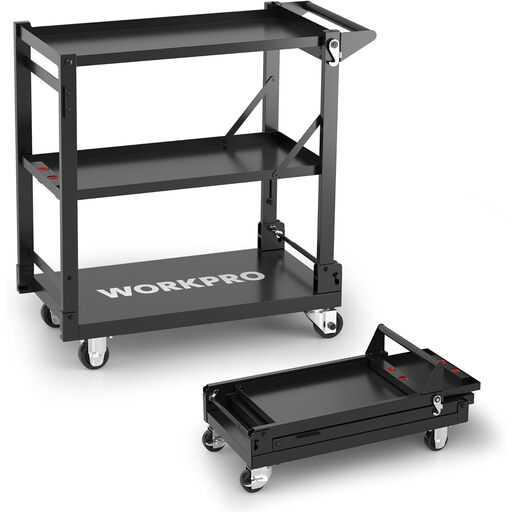
Why This Fits Their Persona: Perfect for workshops, garages, or offices where a robust, adaptable cart that's easy to store when not in use is needed. The high load capacity is suitable for tools and heavy materials.
The premium steel (Q195 and SPCC) construction and high stated load capacity of up to 45 kg per tier (stationary) exceed typical standards. The heavy-duty casters with brakes ensure stability and safety, even with heavy loads.
The 3-in-1 functionality (3-tier, 2-tier, platform cart) and foldable design offer exceptional flexibility for various tasks and easy storage.

Why This Fits Their Persona: For anyone looking for a functional side cart that is also a stylish piece of furniture. The combination of black metal and a wood-look finish is an excellent match for the popular industrial style.
The steel frame provides the necessary stability, while the MDF shelves have a more homely and high-quality feel than simple mesh shelves. The four swivel casters ensure good maneuverability in living areas.
The appealing industrial design makes the cart a decorative element. The use of FSC-certified material for the shelves is an added bonus for environmentally conscious buyers.
We've compiled a complete, up-to-date list of products that fully meet these strict selection criteria and UK safety regulations.
A powder-coated metal rolling cart is very easy to maintain. Usually, wiping the surfaces with a soft, damp cloth is sufficient. For tougher dirt, a mild dish soap can be used. Avoid aggressive or abrasive cleaning agents, as they can damage the coating.
For typical use as a kitchen cart to store dishes, small appliances, or groceries, a total load capacity of 15 to 30 kg is generally sufficient. If you plan to place heavy appliances like a stand mixer or large bulk packages on it, you should consider a model with a higher load capacity of 40 kg or more and check the manufacturer's specifications for the maximum load per tier.
On many models, the casters can be replaced, as they are often attached to the frame with a standard thread. This can be useful if you want to upgrade to special casters for delicate floors (e.g., soft-wood parquet) or for use on carpet. Before buying replacement casters, check the diameter and thread type on your cart.