Parents who need to check allergens
For nursery lunch, you need to be able to check the ingredients and allergens in the variety you choose. If you're buying loose rolls, it's especially worth asking for allergen information for that specific roll.


If you don't have access to an oven in the morning, ready-to-eat bakery rolls are a more practical choice for nursery lunch. Part-baked or frozen rolls are an option if you can take out the number you need and allow time for preparation and cooling. When allergies are a concern, check the information for the specific product and agree arrangements with the nursery – the type of roll alone isn't enough.
For nursery lunch, you need to be able to check the ingredients and allergens in the variety you choose. If you're buying loose rolls, it's especially worth asking for allergen information for that specific roll.
If you don't need the same amount every day, check whether you can take out individual rolls or freeze any left over. The German consumer advice centre recommends freezing and thawing bread and rolls in portions as options.
What matters is whether you can get a ready-to-eat roll or fit preheating, baking and cooling into your morning routine before packing it.
A good choice if: You can use an oven at home and want to prepare only the number of rolls you need.
Bear in mind: Preheating and cooling take extra time, and pack sizes and instructions for removing individual rolls vary.
A good choice if: You want to keep rolls in the freezer and prepare them when needed.
Bear in mind: You'll need freezer space and a preparation method suited to that particular variety. Also consider how the roll will hold up in the lunchbox once it's cooled.
A good choice if: You want to put the roll straight into the lunchbox without baking it, and can fit a trip to the bakery into your routine.
Bear in mind: If you're buying loose rolls, ask for allergen information for the specific variety. Kamps also warns of possible cross-contamination.
| Criterion | What to check when buying | Who it's particularly important for |
|---|---|---|
| Allergens and nursery arrangements | Up-to-date ingredients and allergen information for the variety; for loose rolls, ask the retailer and check the nursery's requirements. | If I'm packing a roll for a child with a relevant allergy, I need to check its ingredients and agree with the nursery what information they need. This check is the top priority for around 42% of consumers. |
| Quantity and leftovers | Number of rolls, whether you can take out individual rolls, and any storage or freezing instructions. | If our needs vary, I want to prepare only as many rolls as will actually be eaten. Planning the quantity is a priority for around 25% of consumers. |
| Variety and texture | Whether your child can eat and likes the variety and its texture; check the ingredients too if you're choosing a seeded roll. | A roll isn't much use in the lunchbox if my child doesn't want to eat the seeds or a firm crust. Around 17% of consumers prioritise finding the right variety and texture. |
| Time in the morning | Preheating, preparation and cooling times for the specific variety, or whether you can buy a ready-to-eat roll. | If time is tight before the nursery run, I need a preparation method that fits into the morning. For around 16% of consumers, the time involved is the most important criterion. |
The wheat roll described by EDEKA lists wheat and cereals containing gluten as allergens. The name of a different variety is no substitute for checking its ingredients.
Read the current packaging. If you're buying loose rolls, ask for allergen information for the specific variety.
A multigrain or seeded label doesn't tell you whether your child likes the texture or which allergens the roll contains. For example, Kamps lists gluten and sesame in one of its multigrain rolls.
Consider texture and ingredients separately, and check that the variety meets your child's needs and the nursery's requirements.
Depending on the product, the stated baking time may start only once the oven has preheated. The roll also needs to cool sufficiently before you pack it.
Check the instructions for the variety you've bought and try out the routine on a morning when you're not pressed for time.
According to the German consumer advice centre, bread and rolls go stale more quickly in the fridge.
Follow the product's storage instructions. For bread and rolls that are suitable, the German consumer advice centre recommends storing them at room temperature or freezing them in portions.
REWE's online shop stocks part-baked rolls made with different types of grain. Its range overview can help you find what you're looking for, but for nursery lunch it's the details for the individual product that matter.
The wheat rolls for baking described by EDEKA come in packs of eight, weighing 560 g. EDEKA gives a baking time of around 8–10 minutes after preheating.
Lidl lists different part-baked roll options, including Grafschafter Bio 4 Körner Krusti Bioland and Grafschafter Gluten frei Bio Korntaler.
Kamps sells ready-to-eat bakery rolls, such as sliced rolls and multigrain rolls, which you can pack without baking.
These two products could work for filled lunchbox rolls or a hot-dog-style lunch. Before choosing, check the pack size, ingredients, preparation instructions and nursery requirements.
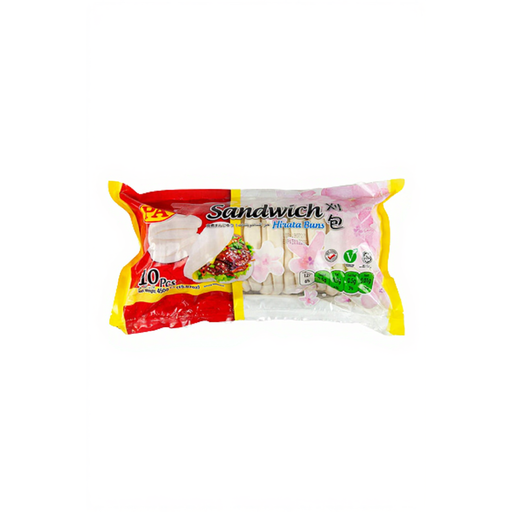 Image unavailable
A filled roll for the lunchbox, if you can allow time to steam it before packing.
Pack size: 10 rolls, 450 g. Wheat and gluten are listed as ingredients; check the allergen information on the current packaging.
If you only need a small amount, check whether you can take out individual rolls and how long preparation takes.
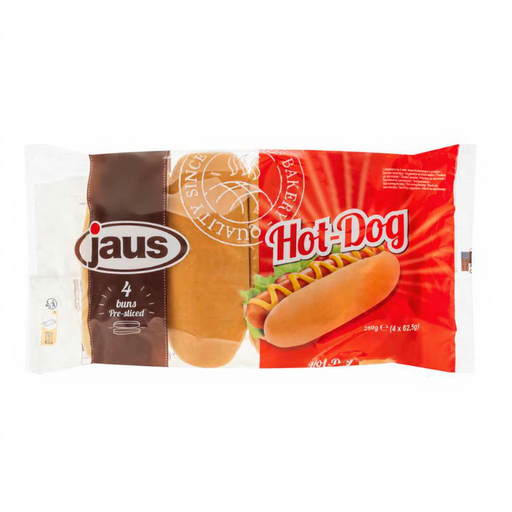 Image unavailable
The hot-dog shape could work for a nursery lunch with a suitable filling, as long as both the filling and the shape meet the nursery's requirements.
The product name gives the pack size as 4x250g; check the packaging to see how this relates to the number of rolls inside. Wheat and barley are listed, along with possible traces of soya, lupin, mustard and sesame.
Check the current allergen and serving information before packing.
For packaged rolls, check the allergen information on the current packaging. If you're buying loose rolls, ask the retailer about the specific variety. The Federal Ministry of Agriculture, Food and Home Affairs lists cereals containing gluten among the main allergens that must be declared. Check with the nursery to find out what information they need about food brought from home.
No. It depends on how many you actually need, whether you can take out individual rolls and how you store them. The German consumer advice centre notes that bread and rolls can be frozen and thawed in portions when needed.
Follow the instructions for the variety you've bought, allowing time for preheating and cooling as well. For its wheat rolls, EDEKA gives a baking time of around 8–10 minutes after preheating. As an example for frozen rolls, it also suggests around 10 minutes at 180 °C using conventional top and bottom heat. These timings don't replace the instructions for another product.
No. Ask for allergen information for the specific roll. For example, Kamps lists sesame in one of its multigrain rolls and says it can't completely rule out cross-contamination when selling loose products.