Hosts serving generously filled rolls
If you’re planning to serve hearty fillings at a family meal, focus on the actual size of each roll, its cut surface and whether it’s easy to halve.


For generously filled rolls at a family meal, larger or longer shapes may be suitable, provided their actual size and cut surface work with your planned fillings. ‘Thick cut’ does not refer to a specific slice thickness for rolls, so check the product itself. If you’re choosing multigrain or bake-at-home rolls, remember to check the ingredients and allergens and allow time for preparation.
If you’re planning to serve hearty fillings at a family meal, focus on the actual size of each roll, its cut surface and whether it’s easy to halve.
When people around the table have different dietary requirements, the ingredients list and allergen information for the specific roll matter more than its name or shape.
If you want to finish baking the rolls just before the meal, you’ll need to coordinate the pack instructions, oven time and quantity required.
First decide whether a generous surface for fillings, checking the ingredients or serving at a predictable time matters most for your family meal. Multigrain and bake-at-home aren’t mutually exclusive: a roll can be both.
| What to consider | What to check when buying | Who it matters to |
|---|---|---|
| Size and surface for fillings | Check the size and shape; for packaged rolls, compare the number of rolls and the stated weight. ‘Thick cut’ alone tells you nothing about the surface area. | If I want to add plenty of cold meats, cheese or vegetables, I need a roll with the right surface area and shape. Around 40% of consumers prioritise this when buying. |
| Ingredients and allergens | Read the ingredients list and allergen information for the specific product; for loose rolls, ask for the allergen information. | When I’m buying for people with different requirements, I need to check the information for every roll. This check is a priority for around 30% of consumers. |
| Quantity and serving time | Check the number of rolls, baking instructions and available oven capacity against your meal plans. | If all the rolls need to be ready at mealtime, I’ll plan the quantity and allow for more than one batch if necessary. Around 30% of consumers put this planning of time and quantity first. |
The term doesn’t specify the weight, slice thickness or surface area of a particular roll. A rustic-sounding name is no substitute for checking its size either.
Look at the shape and size of each roll. For packaged products, check the stated weight and number of rolls; for loose rolls, inspect the rolls themselves.
Multigrain rolls can contain several types of gluten-containing grain and sesame. ‘Vegan’ doesn’t tell you whether a product contains other allergens either.
Read the ingredients and allergen information for every product. The Federal Ministry of Agriculture, Food and Home Affairs states that allergen information must also be provided for unpackaged food.
Baking times and temperatures vary from product to product. EDEKA explicitly advises that its Sunday rolls should not be eaten raw and must be thoroughly cooked.
Check the instructions on the specific pack and, before you buy, consider how many rolls will fit in your oven at once.
If you buy far more fresh rolls than you need, you’ll also need to think about how to store them.
Plan the number of rolls around your meal. For leftover bread and rolls, the consumer advice centre recommends storing them at room temperature in a dry place away from light.
The following retailer and own-brand ranges feature different roll shapes and preparation methods. When choosing rolls for a family meal, the information for the specific product remains key.
REWE’s online range includes bake-at-home rolls in a variety of shapes and recipes, including farmhouse, rye and baguette rolls.
EDEKA lists Toscana, Sunday and multigrain rolls, among others, with product-specific ingredients and preparation details.
Under its ‘Unser Brot’ range, Lidl describes a selection of freshly baked goods, including different types of bread and rolls.
ALDI Nord lists fresh rolls as well as GOLDÄHREN Meisterbäcker wheat and spelt rolls in packs of six.
This selection includes sandwich buns, multigrain rolls and Hirata buns for different types of savoury fillings. Check the shape and portion size before you buy: none of these product names specifies a particular slice thickness.
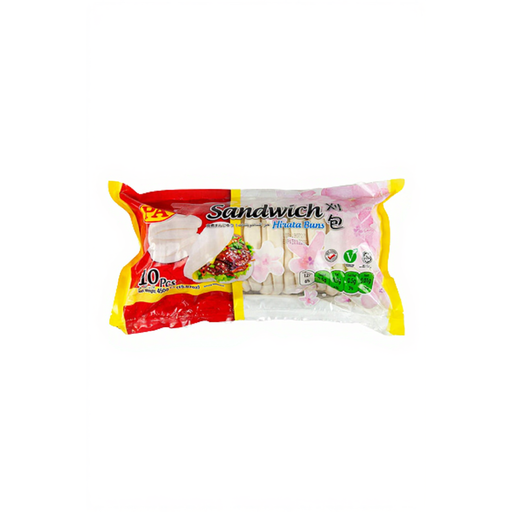 Image unavailable
An option if you’re planning sandwich buns for several people and want to work out how many you’ll need.
The pack states that it contains 10 rolls, weighing 450 g in total. If you’re planning generous fillings, check the size of each bun as well as the ingredients and preparation details.
 Image unavailable
These multigrain rolls are worth considering if you’d like to serve a multigrain option at your family meal.
The pack states a total weight of 300 g. Check the number and size of the rolls to plan your portions, and read the latest ingredients, allergen and baking information.
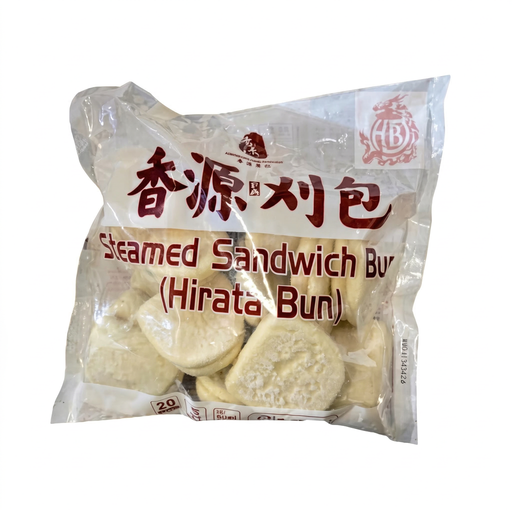 Image unavailable
Hirata buns offer a different way to serve savoury fillings from sliced rolls. Choose them if this serving style suits your meal.
The pack states a weight of 1,2 kg. Check the number and size of the buns to plan your portions, and allow for the steaming instructions.
Yes. Allergen information must also be provided for unpackaged food, as explained by the Federal Ministry of Agriculture, Food and Home Affairs. Ask at the counter or in-store bakery for details about the specific roll instead of judging by its appearance or name.
No. The term ‘multigrain’ doesn’t tell you whether a product is suitable for someone with a particular allergy. The multigrain roll described by EDEKA contains sesame and several types of grain, among other ingredients. Always check the allergen information for the specific product you choose.
Follow the instructions for the specific product and make sure you have enough oven capacity. EDEKA gives a baking time of 12 to 15 minutes for its Sunday rolls. For another multigrain product, EDEKA recommends around 10 to 12 minutes at 200 °C using conventional top and bottom heat, or 180 °C in a fan oven. These times don’t apply to other rolls.
Store leftover rolls at room temperature in a dry place away from light; this is the consumer advice centre’s recommendation for bread and rolls. If you’re planning a larger meal, try to work out how many you’ll actually need before you shop.