
Lieferung heute & morgen

Qualitätsgarantie

Willkommens-Angebote freischalten: KOSTENLOSE Lieferung | Bis zu 80 % RABATT | Kostenlose 30-Tage-JoyPlus-Testphase
App herunterladen
Rose cosmetics cover face care, body care, hair care, make-up and fragrance. The selection ranges from rose skincare and micellar water with rose water to rose conditioner, rose foundation and rose lip gloss. The sheer variety can make it harder to compare products, though: a rose symbol on the packaging doesn’t automatically mean that the product contains rose water, rose oil or rose extract.
If you’re looking for rose-scented products, don’t judge them by their packaging alone. What matters is how they’re intended to be used, their ingredients, your skin or hair type, and the texture you prefer. The guide below groups popular products by shopper profile and explains what to look for before you buy.
A product can smell of roses without containing rose water or rose extract. The fragrance may come from a perfume blend. Conversely, a product containing Rosa Damascena Flower Water or Rosa Centifolia Flower Water may include a rose-derived ingredient without having a strong rose scent.
So check the INCI list. Terms such as “Parfum”, “Fragrance”, “Rosa Damascena Flower Water” and “Rosa Centifolia Flower Water” indicate different things about the formula.
“Natural rose cosmetics” isn’t a single, legally protected product category. The term doesn’t automatically mean that a product is certified natural cosmetics. If you’re choosing vegan rose cosmetics, check the specific claims made by the manufacturer. For example, Herbal Essences Conditioner is described as having a vegan formula and 96% ingredients of natural origin. That isn’t the same as 100% natural cosmetics.
Plant-based ingredients can also contain fragrance compounds such as Linalool, Geraniol, Citronellol or Limonene. If you have sensitive skin, check the latest ingredients list and the warnings on the packaging.
Rose foundation is still primarily a make-up product. Lip gloss adds shine and colour, but it doesn’t replace lip care. Likewise, rose body lotion is intended for the skin on your body and shouldn’t automatically be used on your face.
Check the stated area of use, the amount and the texture. A low price can be appealing, but it only tells you so much when considered alongside the product size, how much you need to use and how often you’ll use it.
Start by deciding what you need the product for:
The INCI list is more useful for an objective comparison than the front of the packaging. Glycerin, panthenol, oils and butters are commonly used in moisturising body care. Silicones, emulsifiers and preservatives can affect a product’s texture, shelf life and how it performs.
If you know you’re sensitive to fragrance, pay particular attention to fragrance allergens that must be listed on the packaging. If you’re trying a product for the first time, applying a small amount to an inconspicuous area of skin may be a good idea. Stop using it if you experience redness or irritation.
Shade and finish are key when choosing foundation and lip gloss. “Rose Ivory”, for example, describes a light shade with a pink undertone, but it isn’t a universal colour standard. If possible, compare shades in daylight and bear in mind that the finish can look different on different skin types.
For lip gloss, also consider how sticky it feels, the applicator, the level of shine and whether you’ll need to reapply it. You’ll find the period-after-opening guidance and best-before date on the packaging.
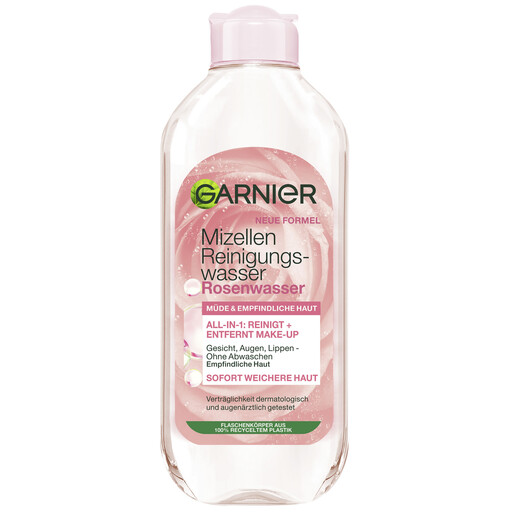
Why this product suits this profile: The 400 ml size is designed for regular facial cleansing. According to the product description, the micellar water can be used on the face, eyes and lips.
The instructions for use and the Rosa Damascena flower water ingredient are clearly stated. Even so, check the latest ingredients list before buying.
400 ml, micellar technology and no-rinse use, according to the product information.
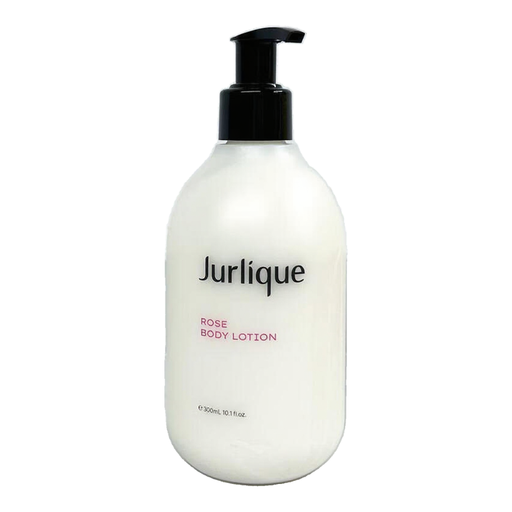
Why this product suits this profile: This body lotion contains avocado oil and its 300 ml size is intended for regular use after showering or bathing.
The product description specifies the texture, intended use and key ingredient. Fragrance allergens such as Linalool and Limonene are also listed.
300 ml, avocado oil and a rich, fast-absorbing texture according to the description.
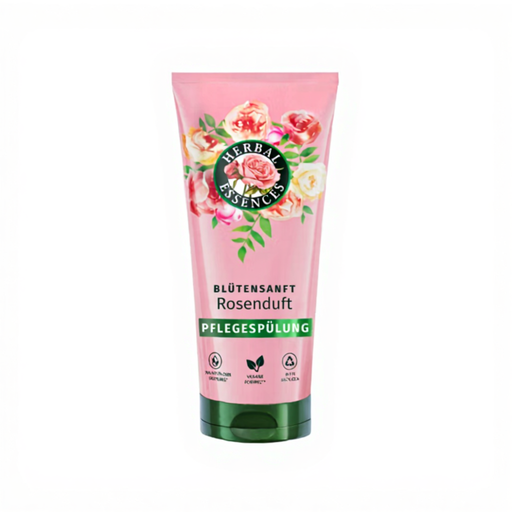
Why this product suits this profile: According to the product information, you can rinse out the conditioner or use a small amount as a leave-in. This makes it practical for different haircare routines.
The formula is described as vegan and silicone-free. Fragrance allergens are also listed in the ingredients, so take them into account before use.
250 ml, rose essence according to the product description, and two ways to use it.
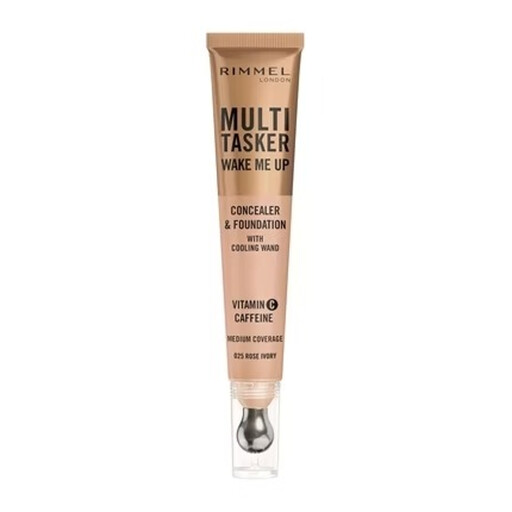
Why this product suits this profile: Shade 025 Rose Ivory is aimed at anyone looking for a light colour with a pink undertone. According to the product description, you can build up the coverage.
The product name clearly states the shade and volume. Before buying, compare the shade with your skin’s undertone and the make-up products you already own.
A 2-in-1 foundation and concealer, 20 ml and buildable coverage according to the product description.
We’ve put together a complete, regularly updated list of products that meet these strict selection criteria and fully comply with the safety regulations in force in the EU.
Look for specific INCI names such as Rosa Damascena Flower Water, Rosa Centifolia Flower Water, Rosa Damascena Flower Oil or Rose Extract. “Parfum” on its own only indicates a fragrance blend; it doesn’t confirm that the product contains rose extract.
Texture, how it feels on your skin and the ingredients are all important when choosing a lotion for daily body care. A lotion containing glycerin, oils or plant butters could be a good option for dry areas of skin. If you’re sensitive to fragrance, check perfumed formulas and the full ingredients list particularly carefully.
Check the Period After Opening symbol, usually shown as an open jar with a number of months, as well as the best-before date. Changes in smell, colour or consistency may indicate that the product quality has deteriorated. Cosmetics should also be stored tightly closed, in a dry place and away from direct sunlight.