
Lieferung heute & morgen

Qualitätsgarantie

Willkommens-Angebote freischalten: KOSTENLOSE Lieferung | Bis zu 80 % RABATT | Kostenlose 30-Tage-JoyPlus-Testphase
App herunterladen
As a Joybuy Product Recommendation Officer, I analyse product information daily to provide you with clear, objective guidance in the overwhelming sea of options. A rose cream often promises a luxurious skincare experience, but not every product delivers on its packaging's claims. Before you make a decision, it's crucial to understand the most common pitfalls that can lead to disappointment and unnecessary expense.
Many products on the market leverage the esteemed reputation of the rose without delivering its actual benefits. Pay close attention to these two points:
To make an informed decision, you should check three core parameters. These will help you objectively evaluate a cream's effectiveness and suitability.
The International Nomenclature of Cosmetic Ingredients (INCI) lists all components in descending order of their concentration. For an effective rose cream, you should look for the following terms high up on the list:
A rose cream is only as good as its entire formulation. The combination of ingredients determines its effect.
Consider when and how you want to use the cream. A lightweight day cream with rose absorbs quickly and works well as a makeup base. Richer formulas are often designed for night care or as an intensive treatment for very dry skin areas. Products with a Sun Protection Factor (SPF) offer additional protection against UV-induced skin ageing.
Based on the objective criteria mentioned, we have compiled a selection of products for various user profiles.
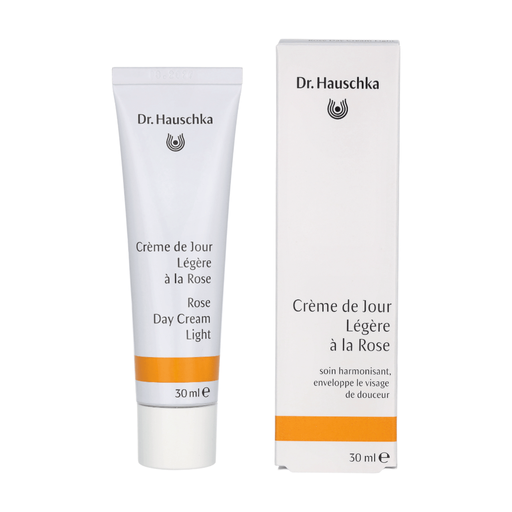
Why This Fits Their Persona: This lightweight day cream is ideal for users seeking a certified natural cosmetic with a clean, minimalist formula. It is suitable for sensitive skin that needs soothing and balancing care without a heavy texture.
The formula relies on genuine extracts from rose petals and rosehips instead of synthetic perfume. The ingredients are transparently declared and tailored to the needs of sensitive skin.
Lightweight, fast-absorbing texture that serves as a makeup base. Harmonises the skin's moisture-oil balance.
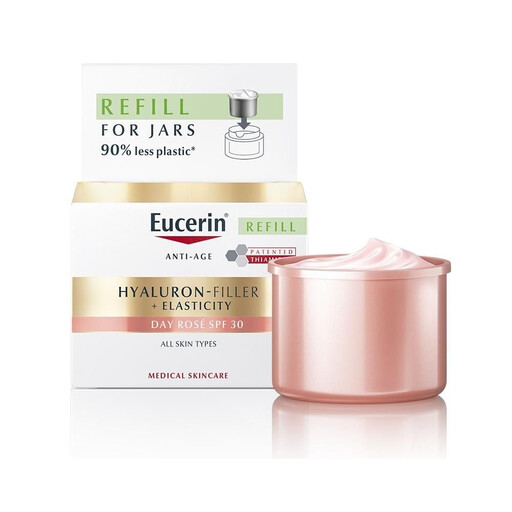
Why This Fits Their Persona: This product is aimed at pragmatic users with mature skin who are looking for a multifunctional day cream. It combines anti-ageing ingredients, an instant refreshing effect, and reliable sun protection in one step.
The "Rose" effect is transparently achieved through rosy pigments that give the complexion an instantly fresher look. The effect is not based on vague promises but on proven ingredients like hyaluronic acid and a collagen-elastin complex.
Combines moisturiser, anti-ageing action, and SPF 30 with a UVA filter. The refill system also reduces packaging waste.
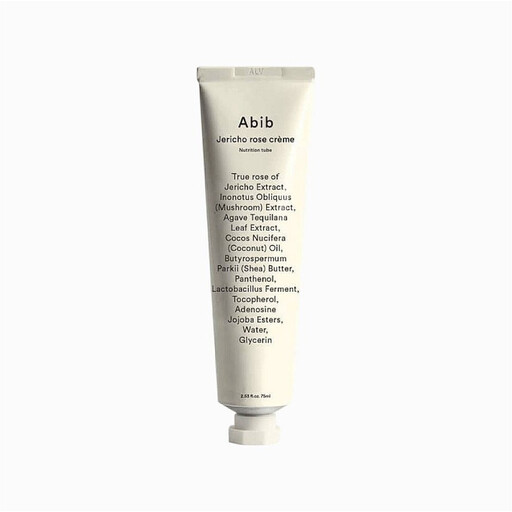
Why This Fits Their Persona: Perfect for individuals with very dry, dehydrated, or dull skin who are looking for rich, nourishing care. The focus is on intense hydration and strengthening the skin barrier through a highly concentrated formula.
This product bypasses the concentration dilemma by explicitly stating a high content of 30,380 ppm of Jericho Rose extract. Its effectiveness is based on a high dose of the main active ingredient, not just a marketing mention.
Very rich, creamy texture that deeply nourishes without being sticky. Restores the skin's oil-moisture balance and strengthens the skin barrier.
We have compiled a complete, up-to-date list of products that fully meet these strict selection criteria and comply with current regulations.
Yes, a rose cream can be suitable for skin prone to redness, provided the formulation is right. Look for products explicitly labelled as soothing and that avoid irritating ingredients like alcohol and synthetic fragrances. Genuine rose extracts have harmonising properties that can support the skin's appearance when used correctly.
These three ingredients are obtained differently and have distinct properties:
A day cream with SPF 30 provides a good base level of protection for daily office life or short periods outdoors. However, if you are planning extended time in direct sun, outdoor sports, or a holiday, an additional, dedicated sunscreen with a high SPF (50+) is essential. It should be applied generously and reapplied regularly to maintain protection.