
Lieferung heute & morgen

Qualitätsgarantie

Willkommens-Angebote freischalten: KOSTENLOSE Lieferung | Bis zu 80 % RABATT | Kostenlose 30-Tage-JoyPlus-Testphase
App herunterladen
A rose facial toner can complement your skincare routine after cleansing and prepare your skin for serum or moisturiser. But it’s not just about the rose scent or an attractive bottle. Facial toners vary significantly depending on your skin type, how you use them, and their formulation.
That’s why the Joybuy Product Recommendation Officer focuses on clear, verifiable product features: ingredients, alcohol content, skin compatibility information, texture, and intended use.
Just because “Rose” appears on the front of a bottle doesn’t mean the product contains a meaningful amount of rose flower water. Some formulations only list perfume or individual fragrance ingredients. If you specifically want to use rose water on your face, check the INCI list. Look for terms like Rosa Damascena Flower Water or Rosa Centifolia Flower Water — these indicate genuine flower water.
A toner containing alcohol might feel refreshing at first. But for dry or sensitive skin, such a formulation may be less suitable. Essential oils and fragrance allergens that must be declared — such as geraniol, citronellol, or linalool — should also be considered if you have sensitive skin. “Natural” doesn’t automatically mean low-irritation.
A classic facial toner is usually applied after cleansing and left on the skin. An organic micellar water, on the other hand, is primarily designed to remove make-up and dirt; depending on the product, it may be intended as a cleansing step without rinsing. If you expect both functions, read the usage instructions for each product.
For a hydrating facial toner, ingredients like glycerin, panthenol, butylene glycol, or sodium hyaluronate are recognisable components with moisture-binding or skin-conditioning properties. These describe the formulation but do not constitute a medical efficacy claim.
Rose flower water may be listed as Rosa Damascena Flower Water. For products containing rose oil or perfume, it’s also worth checking the fragrance declaration. If you prefer a simple, no-fuss product, a shorter INCI list may be your best bet.
An alcohol-free facial toner is often a sensible choice for people with dry or sensitive skin. The claim should be backed up by the full ingredients list, not just the marketing message. For skin prone to blemishes, lightweight, non-greasy textures are usually more practical than rich lotions.
If you know your skin is sensitive, it’s a good idea to test the product on a small area first. If redness, stinging, or other irritation occurs, stop using it. Facial toner is for external use only and should not get into your eyes.
Liquid toners are usually applied with your hands or a cotton pad. A light, water-like texture works well for layering, as is common with a Korean facial toner. Richer formulations may appeal to those with dry skin, but they don’t necessarily need to be applied in multiple layers.
For your daily routine:
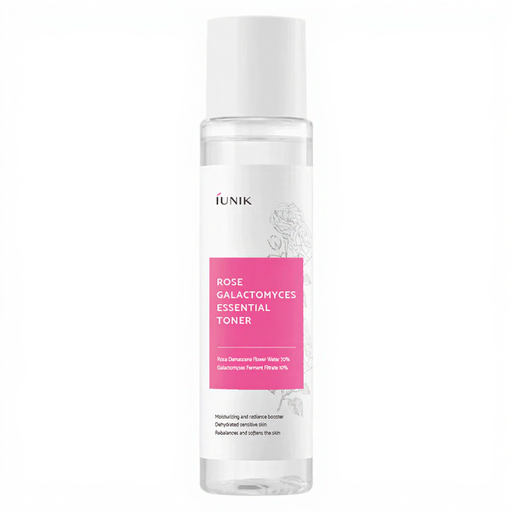
Why this product fits the profile: Its water-like, oil-free texture and 200 ml volume make it ideal for straightforward daily skincare. Rosa Damascena Flower Water is listed first in the ingredients.
The product description specifically mentions rose flower water, not just a rose scent. Still, always check the current packaging before buying.
200 ml volume, oil-free texture, plus glycerin and sodium hyaluronate in the listed formulation.
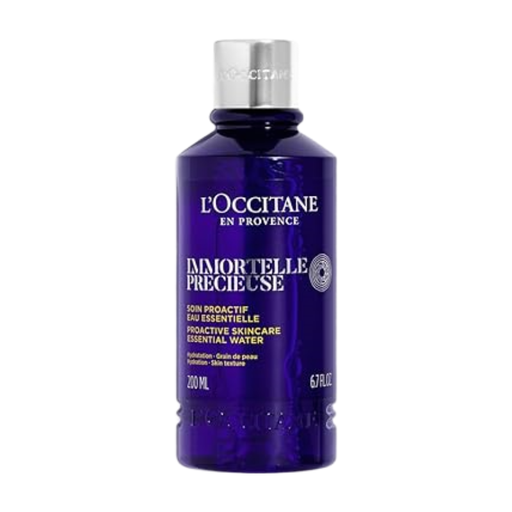
Why this product fits the profile: The 200 ml bottle is designed for a consistent morning and evening routine. According to the product description, it is an alcohol-free facial essence or toner.
The product clearly states it is alcohol-free, making it easier to choose compared to products that only advertise a refreshing feel.
Alcohol-free formulation according to the product description, and a liquid application after cleansing.
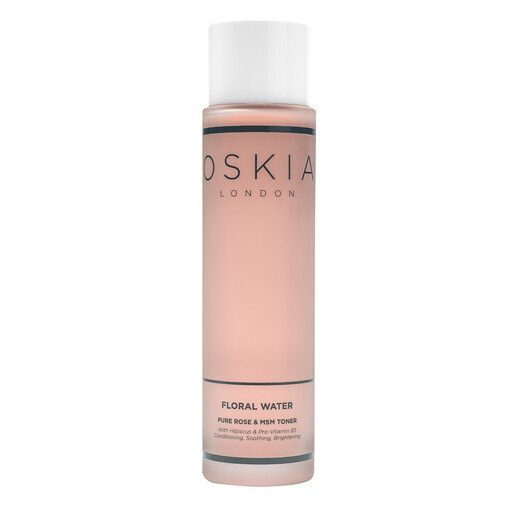
Why this product fits the profile: This product is intended for daily use, morning and evening, and is described as an alcohol-free toner with rose hydrolat.
The alcohol-free label and the specific mention of “Rosa Damascena Flower Water” help you verify the desired properties.
150 ml volume, alcohol-free formulation according to the product information, plus panthenol and glycerin in the ingredients list.
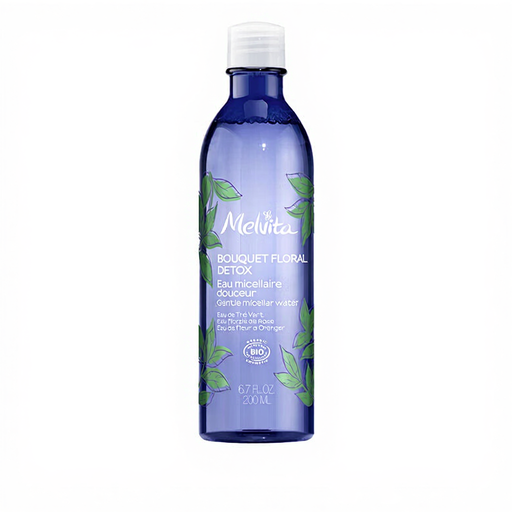
Why this product fits the profile: This product combines cleansing and toning in one step and is described as a fragrance-free and alcohol-free micellar solution.
The product description clearly distinguishes the micellar water from a pure toner and states its intended use for make-up removal.
200 ml volume, fragrance-free and alcohol-free claim, plus rose, bitter orange, and green tea flower water in the ingredients list.
That depends on the complete formulation. Rose flower water can be included in products for normal, dry, or sensitive skin. However, fragrances, essential oils, alcohol, and preservatives can be perceived differently from person to person. If you have sensitive skin, test a small amount first.
A facial toner is typically used after cleansing and before serum or moisturiser. You can apply it with your hands or a cotton pad. The exact order depends on the product description and the rest of your skincare routine.
The jar symbol with the number of months and the information on the packaging are what matter. Storing it in a cool, dry place away from direct sunlight can help maintain product quality. If the smell, colour, or consistency changes, stop using the facial toner.