
Lieferung heute & morgen

Qualitätsgarantie

Willkommens-Angebote freischalten: KOSTENLOSE Lieferung | Bis zu 80 % RABATT | Kostenlose 30-Tage-JoyPlus-Testphase
App herunterladen
Rose and floral products combine care, fragrance and practical everyday benefits. The range extends from rose petals and rose tea to rose water, toners, facial oils, rose shampoo, rose conditioner and moist toilet tissue with floral extracts. However, the sheer variety can make comparisons difficult: a floral brand name reveals little about the actual composition, pack size or intended use.
“Rose”, “jasmine” or “floral water” on the front of a product does not automatically mean that it consists primarily of that ingredient. In a shampoo, for example, Rosa Gallica Flower Extract may appear near the end of the ingredient list, while surfactants and fragrances make up a much larger proportion of the formula. If you are looking for a specific ingredient, always check the complete INCI list or ingredient declaration on the product page and packaging.
A product may contain botanical extracts while also using synthetic fragrances, preservatives or cleansing agents. Similarly, “98% ingredients of natural origin” describes the manufacturer’s formulation claim, not necessarily how well the product will suit your skin. For sensitive skin or fragrance sensitivities, ingredients such as Parfum, Linalool, Geraniol and Benzyl Salicylate are particularly relevant.
Family-size packs can reduce the cost per item, but they are not practical for every household. With moist toilet tissue, disposal is also a key consideration. Even when a product is labelled flushable or dispersible in water, local wastewater infrastructure should be taken into account, and only a small quantity should be flushed at a time. The instructions on the packaging take precedence.
Rose water, floral water and a hydrating toner are not automatically interchangeable. A toner or facial essence is typically applied to the face after cleansing. A facial oil, by contrast, is generally used in a small amount as a subsequent skincare step. For haircare, shampoo is rinsed out, while conditioner is primarily distributed through the lengths and ends. Whether a conditioner is suitable as a leave-in treatment must be explicitly stated.
The intended use is equally important for food products. Dried rose petals or jasmine flowers should only be used for tea or desserts when they are clearly designated as food products. For beverages, check the ingredient declaration, net weight, best-before date and storage instructions.
For dry skin, formulas containing glycerin, Sodium Hyaluronate, squalane or botanical oils may be worth considering. However, these ingredients do not guarantee a particular skin feel. If you are sensitive to fragrance, choose perfumed skincare products carefully and test them first on a small area of skin.
For haircare, it is worth checking the surfactants, conditioning cationic ingredients, silicones and declared fragrance allergens. A product with rose extract may still use a conventional surfactant-based shampoo formula. The complete ingredient list is therefore decisive—not merely the floral association.
For beauty and hygiene products, compare the contents per pack as well as the number of individual packs. Tea and dried flowers should be stored in airtight packaging, kept dry and protected from direct sunlight. Once opened, liquid skincare products should be tightly resealed and stored according to the manufacturer’s instructions.
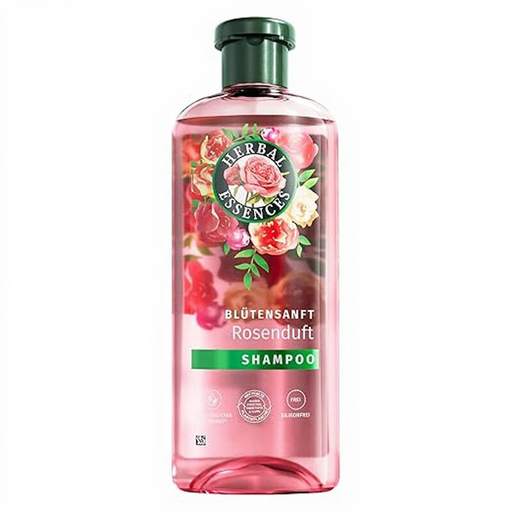
Why it suits this profile: The 350 ml bottle is well suited to regular use in a German household and offers an easy way to incorporate rose shampoo into your haircare routine.
The published ingredient list names both surfactants and Rosa Gallica Flower Extract, making it possible to assess the formula objectively.
350 ml contents; apply to wet hair and rinse after lathering. Eye-contact warnings are provided.
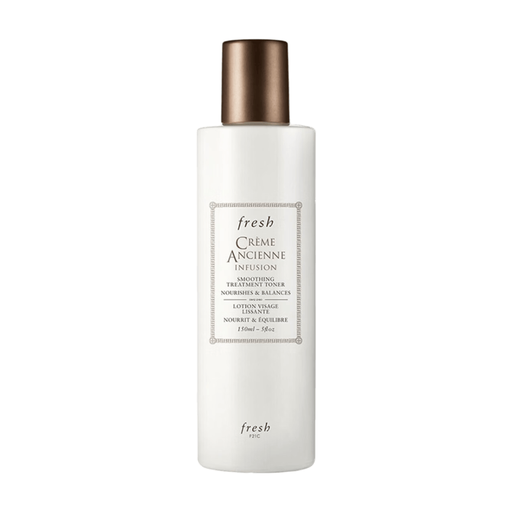
Why it suits this profile: Designed for those who want to use a lightweight liquid treatment with rose water, lavender flower water and Sodium Hyaluronate after cleansing.
The product description identifies the water-based ingredients and botanical oils specifically rather than making only broad floral claims.
150 ml contents; intended for external use after cleansing. Avoid contact with the eyes and irritated or damaged skin.
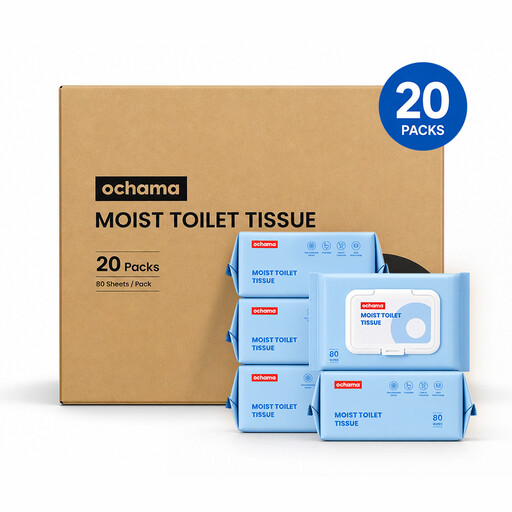
Why it suits this profile: The bulk pack contains 20 packs of 80 sheets each, making it ideal for stocking up and maintaining regular personal hygiene.
The total quantity is clearly stated as 20 × 80 sheets. Disposal should follow the product labelling and local wastewater regulations.
Virgin Wood Pulp, water and edelweiss extract are listed as the main materials. The pack should be resealed after each use.
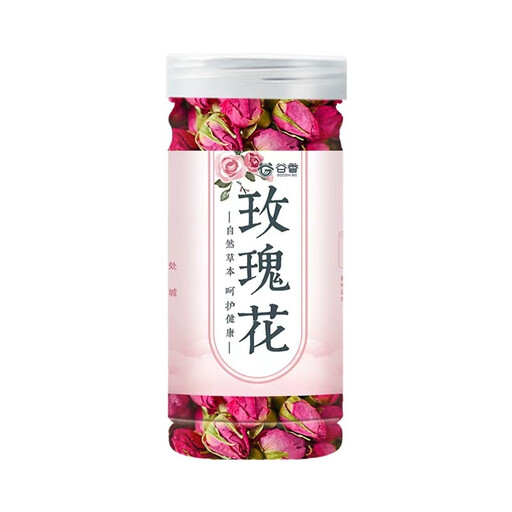
Why it suits this profile: These clearly designated rose blossoms are intended for brewing, drinks and decorating baked goods and desserts.
The ingredient declaration lists rose blossoms as the sole ingredient, distinguishing the product from unspecified fragrance or decorative items.
According to the product information, steep 3–5 blossoms in approximately 250 ml of water at 85–90 °C for 5–7 minutes per cup.
Further options cover a range of uses: Herbal Essences Conditioner Gentle Floral Rose 250 ml contains rose essence, is marketed as a vegan, silicone-free formula and, according to the product information, can be rinsed out or used in a small amount as a leave-in treatment. For a compact supply of floral water, consider Oskia Floral Water Pure Rose & Msm Toner 30 ml. Those looking for jasmine flowers may wish to consider Zheng Feng Jasmine Flower 20 g, which lists 100% jasmine as its declared ingredient.
Facial oils include Darphin Eclat Sublime 8-Flower Golden Nectar Oil 30 ml and Darphin Essential Oil Elixir 8-Flower Nectar Oil 15 ml. Both product descriptions name several floral and botanical oils. Claims regarding visible changes to the skin or clinical results should only be assessed against the latest manufacturer documentation and packaging information.
For a smaller hygiene or travel pack, ochama Moist Toilet Tissue with 400 sheets in 5 packs is a practical option. Before purchasing, check whether the available drainage system permits the use of flushable wipes.
Our selection includes further rose and floral products for skincare, wellness, tea and personal hygiene. Before purchasing, check the ingredients, quantity and usage instructions for each product.
No. The key consideration is whether the product is designated as a food or tea ingredient. The product description, ingredient list, net quantity and best-before date should all be available. Decorative flowers and cosmetic raw materials should not be used in drinks.
Shelf life depends on the best-before date, PAO symbol and manufacturer’s instructions. Once opened, liquid products should be tightly closed, protected from direct sunlight and handled hygienically. Any change in smell, colour or consistency is a reason to discontinue use.
Not necessarily. Even wipes labelled flushable can cause problems depending on their material and the local wastewater system. Flush only small quantities, follow the packaging instructions and, when in doubt, dispose of the wipes in general waste.