
Lieferung heute & morgen

Qualitätsgarantie

Willkommens-Angebote freischalten: KOSTENLOSE Lieferung | Bis zu 80 % RABATT | Kostenlose 30-Tage-JoyPlus-Testphase
App herunterladen
The skin around your eyes is often more sensitive than other areas of your face. At the same time, advertising makes plenty of promises: fewer wrinkles, brighter-looking dark circles, a firmer-looking eye area or visible results overnight. But choosing the right eye cream involves more than looking at a claim or a familiar brand name.
Three common buying mistakes can be particularly costly:
For dry skin or skin that feels tight, a moisturising eye cream containing glycerin, hyaluronic acid, panthenol or nourishing oils is a sensible choice. Hyaluronic acid binds water in the formula and can help leave skin feeling smoother. It’s often combined with other moisturising ingredients in products such as an eye cream with hyaluronic acid.
For early visible lines, formulas containing peptides, adenosine or bakuchiol may be worth considering. However, a peptide eye cream shouldn’t be mistaken for a guaranteed lifting effect. Peptides are ingredients in a cosmetic formula; what matters is the full INCI list, the texture and using the product regularly.
A retinol eye cream may appeal if you’re looking for targeted anti-ageing skincare. Retinol can irritate the skin, especially if it’s sensitive or prone to dryness. So start by using a new product sparingly and follow the manufacturer’s instructions. If you’re pregnant or have specific skin concerns, it’s sensible to speak to a healthcare professional.
Vitamin C is often used in a vitamin C eye cream, for example to care for skin that looks uneven. The stability and form of the vitamin C derivative matter more than simply seeing it highlighted on the packaging.
When choosing eye care for sensitive skin, it’s worth checking for fragrance, alcohol and essential oils. Words such as “gentle”, “clean” or “natural” are no substitute for checking the ingredient list. Plant-based ingredients can also cause individual reactions.
If you wear contact lenses or are prone to watery eyes, take extra care when applying the product. Apply the cream to the surrounding skin, not to the mucous membrane or directly along the lash line. Stop using it if you experience stinging, redness or itching. Before applying it more widely for the first time, you may want to do a patch test on a small area of skin.
A light gel-cream often works better under make-up, while richer balm textures may feel more comfortable on dry skin. A roll-on or metal applicator can make it easier to dispense and apply the product, but you should still use a gentle touch without pressing.
Also compare the quantity. Eye creams often come in 10 to 30 ml sizes, so the price per 10 ml is more useful than the pack price alone. A hygienic pump dispenser can reduce contact with the formula; if you’re using a jar, take the product out with clean hands.
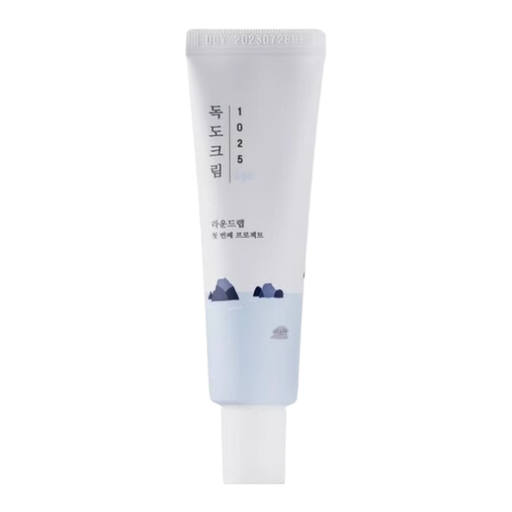
Why this product suits this profile: The 30 ml size and hydration-focused formula make this an easy option for everyday eye care. According to the product information, it contains several forms of hyaluronic acid, as well as panthenol and allantoin.
The product description lists specific ingredients and the amount in the pack, rather than relying on general anti-ageing claims. Check the current packaging information before buying.
30 ml; hyaluronic acid, panthenol and allantoin according to the stated INCI list.
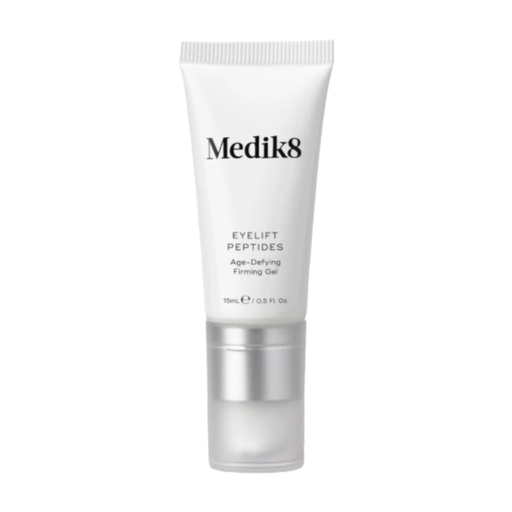
Why this product suits this profile: The gel texture and peptide complex may appeal if you’re looking for lightweight, targeted care for the appearance of fine lines and value a clearly stated INCI list.
The choice is based on the texture and declared peptides, not a sweeping promise that the eye cream will firm the skin. Alcohol Denat appears near the top of the stated list, so bear this in mind if you have sensitive skin.
Light gel texture; several declared peptides and ceramides according to the product information.
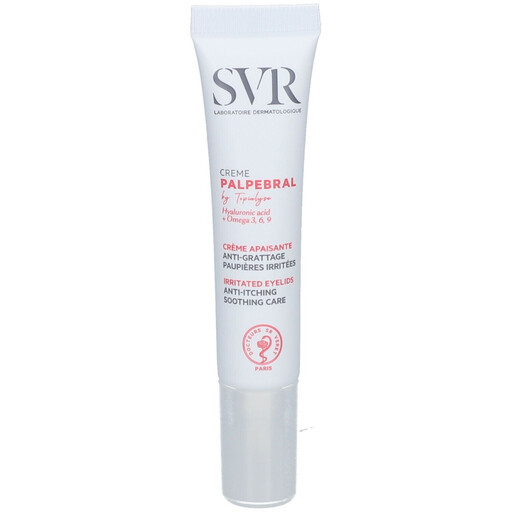
Why this product suits this profile: According to the product description, this rich cream is designed for sensitive eyelid skin. It lists omega 3, 6 and 9, as well as hyaluronic acid, among its key ingredients.
It’s designed for use on the eyelids, rather than relying on general anti-ageing claims. If your skin becomes irritated, stop using it and monitor how your skin responds.
Rich texture; 15 ml; hyaluronic acid and lipids according to the product description.
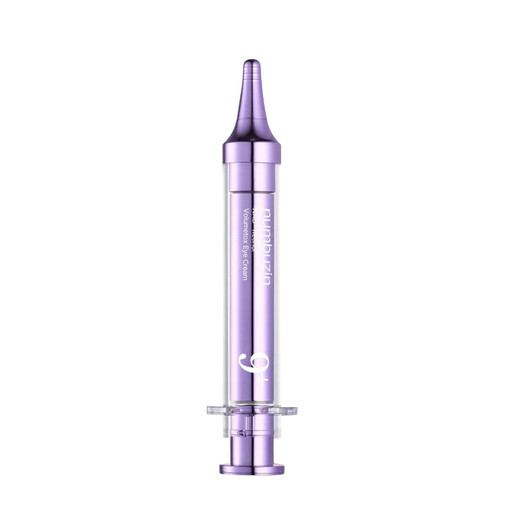
Why this product suits this profile: According to the product description, this Korean eye cream combines NAD+, retinol and peptides. It’s aimed at shoppers looking for targeted anti-ageing eye care with several clearly stated groups of active ingredients.
Retinol is clearly mentioned in the product description, so you can take it into account when deciding whether to buy. Introduce new retinol products gradually and don’t apply them directly to the eye.
Combination of NAD+, retinol and peptides according to the supplier; 10 ml.
We’ve put together a complete, regularly updated list of products that meet these strict selection criteria and fully comply with the safety regulations in force in the EU.
If you’re using an eye cream for puffiness, storing it according to the manufacturer’s instructions and briefly chilling the formula may feel soothing. However, a cooling effect doesn’t mean the underlying cause has been permanently changed. Seek medical advice if symptoms persist or seem unusual.
A moisturising eye cream containing glycerin, hyaluronic acid, panthenol or nourishing lipids may suit skin that feels dry. If your skin is sensitive, pay particular attention to fragrance and alcohol.
Check the best-before date and the PAO symbol on the packaging, such as “6M” or “12M”. How long it lasts also depends on storage and hygiene. Avoid direct sunlight and excessive heat.
A small amount, roughly the size of a grain of rice, is usually enough for both eye areas. Using too much may cause the product to get into your eyes or slip under your make-up. Always follow the manufacturer’s recommended amount.