
Lieferung heute & morgen

Qualitätsgarantie

Willkommens-Angebote freischalten: KOSTENLOSE Lieferung | Bis zu 80 % RABATT | Kostenlose 30-Tage-JoyPlus-Testphase
App herunterladen
Searching for "rose products" opens up a world of possibilities that goes far beyond simply buying a flower. From culinary delights and nourishing cosmetics to stylish accessories, the rose is a symbol of beauty and well-being. But this diversity also has its pitfalls. Many products over-promise and under-deliver, leading to disappointment. As your Joybuy Product Recommendation Officer, I'm here to help you cut through the noise and find products that offer proven, objective value.
This guide will expose the most common marketing traps and provide you with clear criteria to make an informed purchasing decision.
Before you invest your money, be aware of these common issues often lurking behind attractive packaging.
To avoid these traps, focus on verifiable facts. The following three parameters are crucial for determining a product's quality.
The quality of a rose product lives or dies by the origin of its aroma. A look at the ingredients list (INCI for cosmetics, ingredients for food) is essential.
For wine or sweets, don't be guided by presentation alone. Objective metrics reveal the true quality.
For decorative items and jewellery, an honest declaration of the materials used is crucial.
Based on the criteria above, we've selected a few products that are excellent options for different needs and profiles.
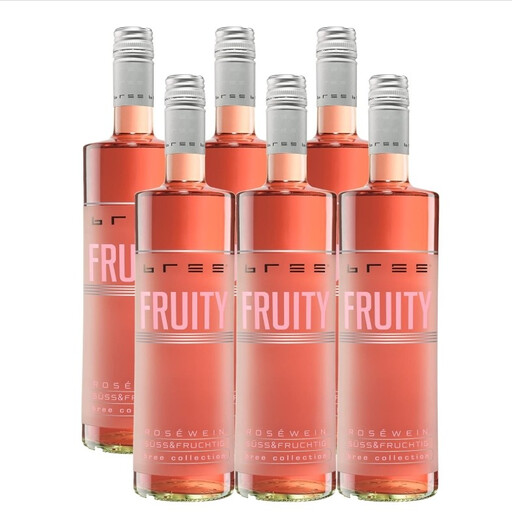
Why This Fits Their Persona: This person values not just the taste, but the design as well. The BREE Rosé combines an accessible, sweet and fruity flavour profile with an award-winning, minimalist bottle that looks great on any table. Ideal for social evenings or as a stylish gift.
The product provides clear, objective data: The sugar content of 5.8 g per 100 ml and the alcohol content of 8.5% ABV precisely define the flavour profile, enabling an informed choice that goes beyond pure design.
A combination of a clearly defined, sweet and fruity flavour profile and an internationally recognised bottle design. The recommended serving temperature (8-10°C) is a practical tip for optimal enjoyment.
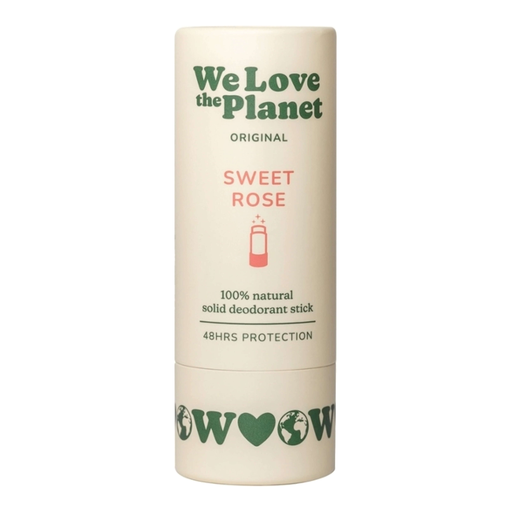
Why This Fits Their Persona: This person looks for products that are effective yet free from controversial ingredients. Sustainability is important to them. This deodorant meets the criteria for an organic rose deodorant and an aluminium-free deodorant, and it also comes in plastic-free packaging.
It avoids the "hidden ingredients" trap through a transparent declaration. The formula is based on baking soda, coconut oil, and corn starch. Its certification by the NCS (Natural Cosmetics Standard) provides external validation.
Its effectiveness is based on natural ingredients like baking soda. The packaging is made of cardboard, making it a sustainable alternative to plastic. The scent is created with essential oils, including rose petal oil/extract.
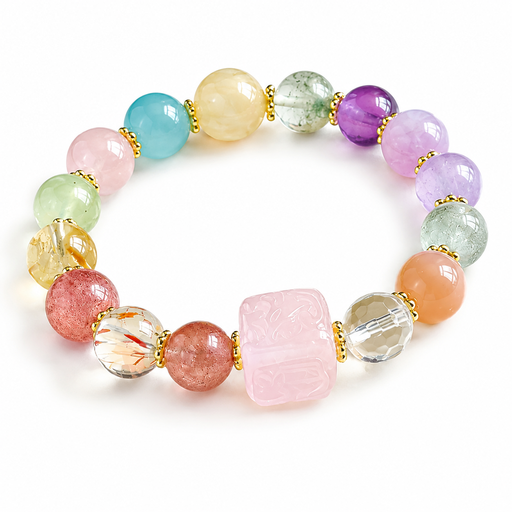
Why This Fits Their Persona: This person is looking for rose-themed gifts that have a personal and meaningful touch. A handmade piece of jewellery made from a natural material like rose quartz is a thoughtful choice that goes beyond purely material value.
The product avoids the "symbolism without substance" trap with an honest product description. It explicitly states that the stone's symbolism does not replace one's own efforts. The material is clearly declared as "rose quartz."
The bracelet is promoted as a handmade, original DIY design, which gives it a unique quality. The clear care instructions for avoiding scratches and chemical contact show a focus on the product's longevity.
We have compiled a complete, up-to-date list of products that fully meet these strict selection criteria and all relevant regulations.
1. How can I tell if a product contains real rose oil or just artificial fragrance? The surest way is to check the ingredients list (INCI). Real rose oil is listed as Rosa Damascena Flower Oil or Rosa Centifolia Flower Oil. Synthetic fragrances are often grouped under the general term "Parfum" or "Fragrance." A significantly higher price and specific details from the manufacturer about the rose oil's origin are also good indicators of authentic ingredients.
2. What exactly does "lieblich" mean for a rosé wine? "Lieblich" is a legally defined taste designation for wine in Germany. It describes a semi-sweet wine with a residual sugar content between 18 and 45 grams per litre. A "lieblich" wine is therefore sweeter than "halbtrocken" (semi-dry, up to 18 g/L) but less sweet than "sü?" (sweet, over 45 g/L). This classification provides an objective guide for consumers who prefer a wine with noticeable sweetness.
3. Is rose quartz always genuine when sold as jewellery? Not necessarily. Sometimes, dyed glass or other less valuable minerals are passed off as rose quartz. Look for product descriptions that explicitly mention "natural rose quartz". Genuine stones often have slight irregularities in colour and structure (so-called inclusions), which can be a sign of their natural origin. Perfectly uniform and flawless stones might indicate synthetic material.