
Lieferung heute & morgen

Qualitätsgarantie

Willkommens-Angebote freischalten: KOSTENLOSE Lieferung | Bis zu 80 % RABATT | Kostenlose 30-Tage-JoyPlus-Testphase
App herunterladen
The rose is more than just a symbol of elegance; in skincare, it's a versatile active ingredient prized for its soothing and hydrating properties. However, the market for rose skincare is overwhelming. Many products over-promise and under-deliver, leading to disappointment and unnecessary spending. Before you buy rose cosmetics, it's crucial to understand the common pitfalls.
A widespread issue is the "fragrance trap." Numerous products advertise an intense skincare with rose scent, which often comes from synthetic perfumes. These can irritate sensitive skin instead of nourishing it. Genuine rose actives like rosewater or rose oil have a much more subtle scent and offer actual skincare benefits.
Another point of confusion is the difference between rose oil and rosehip oil. Although both originate from the rose plant, they have different properties. Rosehip oil for skin is extracted from the fruit (rosehips) and is rich in vitamins that support skin regeneration. Rose oil, on the other hand, is distilled from the petals and is known for its calming and harmonising properties. Choosing the wrong oil can mean you won't get the desired skincare results.
To ensure you get a product that meets your needs, you should check two to three key factors. These will help you objectively assess a product's quality and suitability.
The International Nomenclature of Cosmetic Ingredients (INCI) is the most reliable source for understanding a product's composition. Instead of relying on marketing claims, look for specific terms:
Rosa Damascena Flower Water or Rosa Centifolia Flower Water. If this ingredient is high up on the list, it's present in a significant concentration.Rosa Damascena Flower Oil indicate the precious essential oil.Rosa Canina Fruit Oil or Rosa Rubiginosa Seed Oil.Parfum or Fragrance, often paired with allergens like Citronellol or Geraniol, can point to synthetic scents that lack the nourishing properties of real rose.Natural rose skincare comes in many forms. Choosing the right texture and formulation is crucial for its effectiveness and feel on the skin.
Based on these criteria, we have curated a selection of products suitable for various needs and preferences.
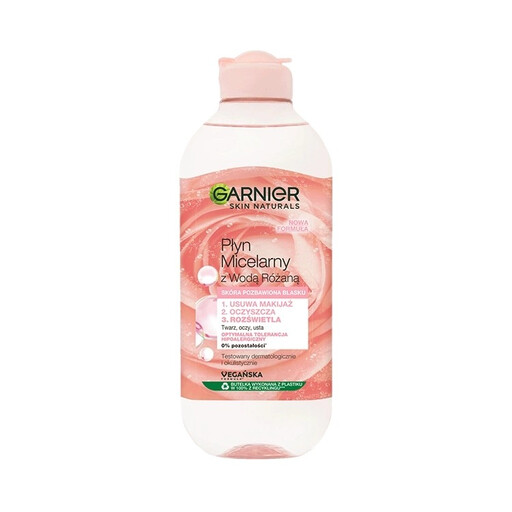
Why This Fits Their Persona: Ideal for users seeking a straightforward, effective, and affordable solution for daily facial cleansing. It combines the power of a cleanser with the soothing properties of rose water.
This product bypasses the "fragrance trap" by using real Rosa Damascena Flower Water as one of its main ingredients, rather than relying on synthetic perfume.
The micellar technology enables gentle cleansing without rubbing. The formula is fragrance-free, making it suitable for more sensitive skin types.
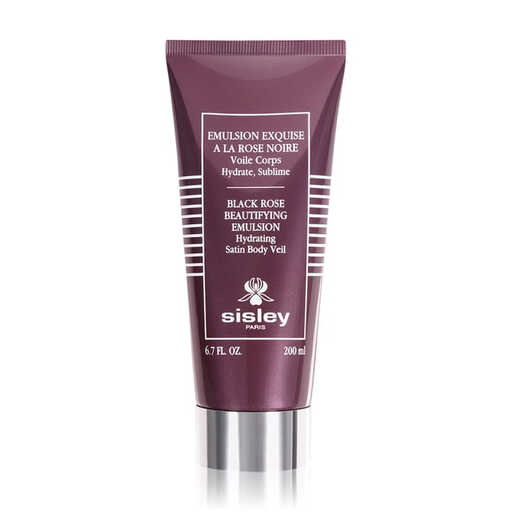
Why This Fits Their Persona: For users who view their daily body care as a sensorial ritual and are willing to invest in a high-end formulation with visible results.
This emulsion uses a combination of Rosa Centifolia Flower Water, rose extract, and Rosa Damascena Flower Oil. It offers a complex, authentic rose scent and comprehensive benefits, not just a one-dimensional fragrance.
The texture is creamy yet lightweight, absorbs quickly, and leaves no greasy residue. Nourishing ingredients like squalane and shea butter provide intense moisture.
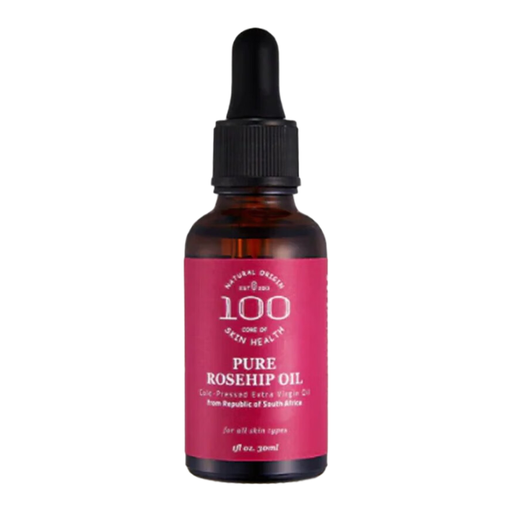
Why This Fits Their Persona: Perfect for informed users who specifically want to leverage the regenerating and brightening properties of pure rosehip oil for skin to revitalise dull skin or improve the appearance of scars.
This product clears up the confusion by clearly declaring itself as 100% pure Rosa Canina (Rosehip) Fruit Oil. There are no misleading fragrance claims; the focus is on the pure efficacy of the oil.
Cold-pressing ensures that the precious vitamins and fatty acids of the rosehip oil are preserved. It is a pure, unrefined product with no additives.
We've compiled a full, up-to-date list of products that fully meet these strict selection criteria and UK regulations.
Yes, but with an important caveat. Products containing real rosewater (Rosa Damascena Flower Water) or rose oil are known for their soothing properties and are often well-suited for sensitive skin. Caution is advised with products whose scent comes from synthetic Parfum. These can contain potentially irritating fragrance allergens. Checking the INCI list is essential here.
Although both come from the rose plant, their extraction and effects are different. Rose oil is distilled from the petals, has an intense floral scent, and primarily has a calming and balancing effect. Rosehip oil is pressed from the seeds of the rose fruit. It has a more nutty, earthy scent and is rich in Vitamin A (retinoic acid) and C, making it a potent active ingredient for skin regeneration, diminishing scars, and brightening pigmentation.
Rose water for the face is a versatile product. You can use it in several ways: