
Lieferung heute & morgen

Qualitätsgarantie

Willkommens-Angebote freischalten: KOSTENLOSE Lieferung | Bis zu 80 % RABATT | Kostenlose 30-Tage-JoyPlus-Testphase
App herunterladen
The scent of roses is a classic that evokes a sense of luxury and well-being. It's no surprise, then, that rose-infused skincare products are consistently popular. However, the market is flooded with options, and not every product promising the "scent of roses" delivers high-quality care. Many consumers invest in a product for its fragrance, only to be disappointed by its performance or to discover that the appealing scent comes from synthetic sources. Before you make a purchase, it's crucial to be aware of two common pitfalls.
To make an informed decision, focus on a few key parameters that define the quality of a rose skincare product.
The list of ingredients (INCI) is your most reliable source of information. Ingredients are listed in descending order of their concentration. For high-quality skincare with rose extract, you should look for terms like Rosa Damascena Flower Water (rose water), Rosa Canina Fruit Oil (rosehip seed oil), or Rosa Centifolia Flower Extract high up on the list. If "Parfum" is listed before these natural extracts, the product's fragrance is likely mostly synthetic.
A good skincare product needs more than just a single active ingredient. The base formula is critical to its effectiveness.
Rose skincare is not a one-size-fits-all category. The formulation of a wild rose shower gel is designed for cleansing and a brief fragrance experience, whereas an anti-ageing rose cream for the face contains a higher concentration of active ingredients to address specific concerns like wrinkles or loss of elasticity. A rose-scented body lotion focuses on hydrating the body, and a rose hand cream is specially formulated to protect and nourish the stressed skin on the hands. Define your primary need before you start your search.
Here are some recommendations from our product selection, tailored to different user profiles and needs.
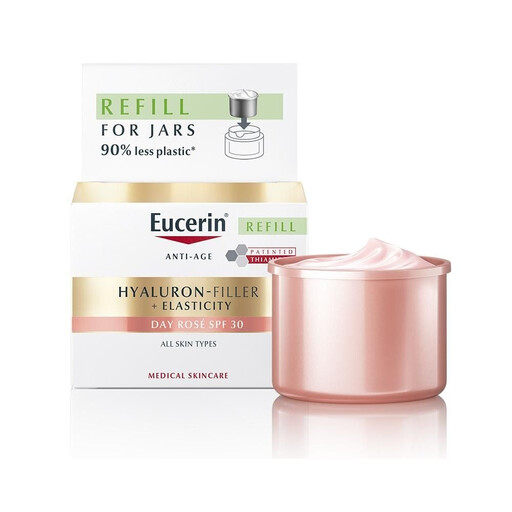
Why this product is a match: This day cream is specifically designed for the needs of mature skin. It combines an anti-ageing effect with sun protection and a light tint that provides a fresher complexion. Ideal for users seeking targeted facial care with proven ingredients.
The formula relies on a combination of hyaluronic acid and a collagen-elastin complex, rather than just its scent. The rose-coloured pigments serve a visual purpose and are not just a marketing gimmick.
Combines moisturisation, anti-ageing action, and sun protection (SPF 30) in one product. The refill pack also reduces packaging waste.
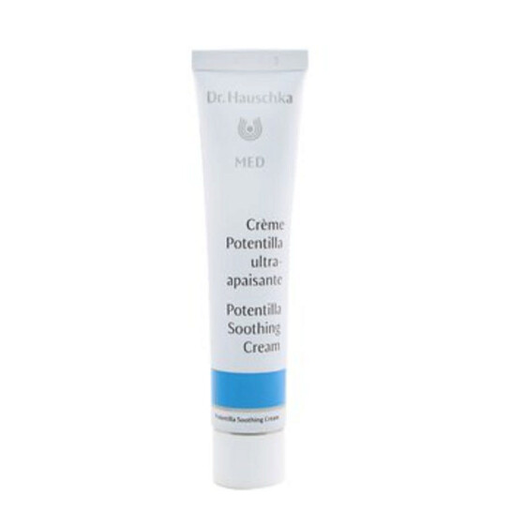
Why this product is a match: For users who value natural ingredients and a holistic skincare philosophy. This cream is a classic in natural rose cosmetics and aims to harmonise and strengthen the skin, rather than just achieving superficial effects.
According to the manufacturer, the formula is free from synthetic fragrances, dyes, and preservatives, as well as mineral oils and silicones. Instead, it is based on high-quality plant oils and extracts that nourish the skin.
The cream is known for its soothing and balancing properties, making it suitable for sensitive or redness-prone skin. The base of shea butter and almond oil provides intensive nourishment.
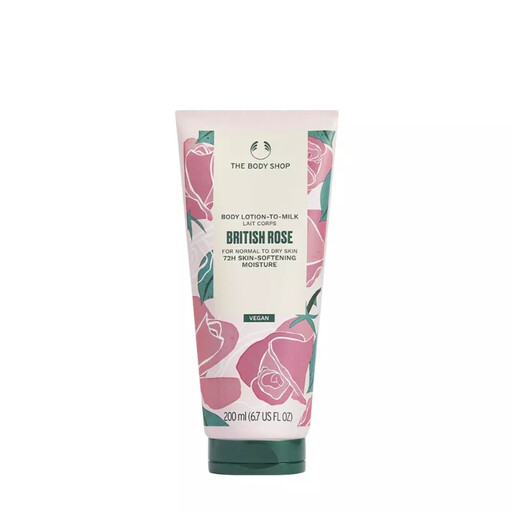
Why this product is a match: A straightforward and effective rose-scented body lotion for daily use. It is suitable for normal to dry skin and provides long-lasting hydration without feeling greasy. Perfect for your post-shower skincare ritual.
According to the manufacturer, the formula is made with 94% ingredients of natural origin and is certified by The Vegan Society. The focus is on moisturisation, not just fragrance.
The light, silky texture absorbs quickly and provides up to 72 hours of moisture, according to the manufacturer. The packaging is made with 30% recycled plastic.
We have compiled a complete, up-to-date list of products that fully meet these strict selection criteria and UK regulations.
1. Is rose skincare suitable for sensitive skin? This largely depends on the formulation. Products containing genuine rose water (e.g., from Rosa Damascena) can have soothing properties. Synthetic rose fragrances ("Parfum"), on the other hand, can cause irritation in sensitive skin. It is always advisable to check the INCI list and, if in doubt, perform a patch test on an inconspicuous area, such as the crook of your arm.
2. What is the difference between rose oil and rose water in skincare?Rose oil is a highly concentrated essential oil obtained by distilling rose petals. It is very precious and is often used only in small quantities in a rose face cream for its intense fragrance and conditioning properties. Rose water (also called rose hydrosol) is a co-product of this distillation process. It is much milder than the oil and is primarily valued for its moisturising, toning, and soothing effects.
3. How can I make the scent of my rose-scented body lotion last longer? For a long-lasting fragrance experience, it's best to apply the body lotion to slightly damp skin immediately after showering. This helps to lock in both moisture and scent. Using a matching shower gel, such as a wild rose shower gel, can further support and intensify the fragrance.