
Lieferung heute & morgen

Qualitätsgarantie

Willkommens-Angebote freischalten: KOSTENLOSE Lieferung | Bis zu 80 % RABATT | Kostenlose 30-Tage-JoyPlus-Testphase
App herunterladen
By the Joybuy Product Recommendation OfficerLast Updated: August 30, 2026
Rose skincare promises a luxurious experience—the scent is captivating, and its acclaimed nourishing properties are diverse. However, the market is crowded, and not every product featuring a rose on its packaging delivers the desired results. Before making a purchase, it's crucial to know the most common pitfalls that can lead to disappointment and unnecessary expense.
This guide will help you distinguish marketing claims from actual product performance and make an informed choice for your skin.
Many products leverage the allure of the rose without offering any real value. Pay close attention to these two points:
To ensure you get a product that meets your expectations, you should check two key aspects. These will help you objectively evaluate the quality and suitability of a rose skincare product.
Ingredients on the INCI list are arranged in descending order of concentration. Look for high-quality rose derivatives near the top or in the upper-middle section of the list. Here are the most common types and their properties:
Not every rose skincare product is suitable for every skin type or purpose. The product's format determines its application and effect:
Here are a few product recommendations tailored to different needs and preferences.
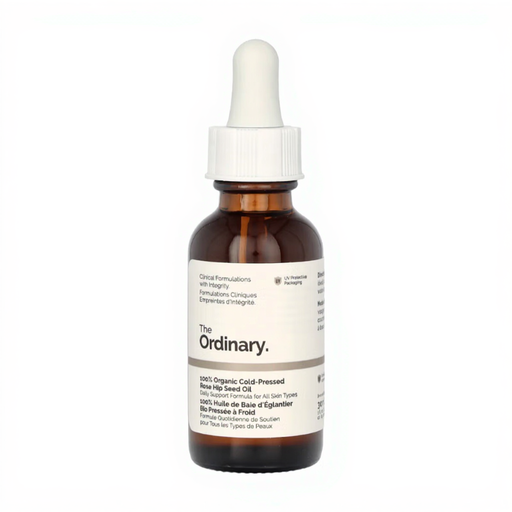
Why This Fits Their Persona: Ideal for users seeking a straightforward, pure, and effective product with no additives. It focuses on a single, proven ingredient and serves as an excellent foundation for any skincare routine.
The product consists of 100% of the declared active ingredient. It contains no synthetic fragrances or fillers, ensuring maximum concentration and efficacy.
Pure, cold-pressed organic rosehip oil for daily hydration and to support overall skin health. Suitable for all skin types.
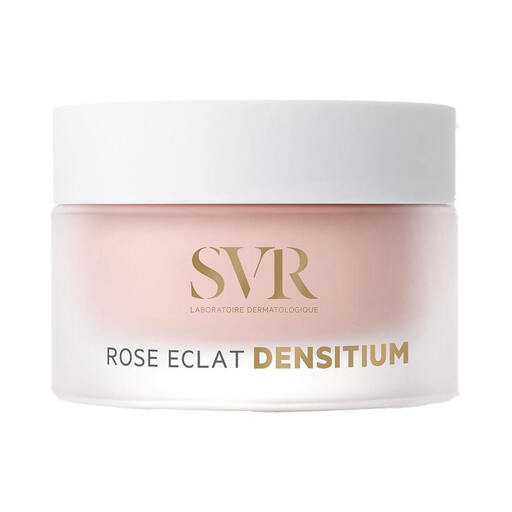
Why This Fits Their Persona: Designed for mature skin prone to loss of firmness and a dull complexion. The formulation aims to strengthen the skin's structure and give it a healthy, rosy glow.
Its effectiveness is not based solely on the "rose" aspect but on a combination of specific anti-aging active ingredients like Bio-Calcium and Hyaluronic Acid. The pink tint provides an immediate visual effect.
A dual-action formula that counteracts loss of firmness and sallow skin tones. Dermatologically tested, according to the manufacturer.
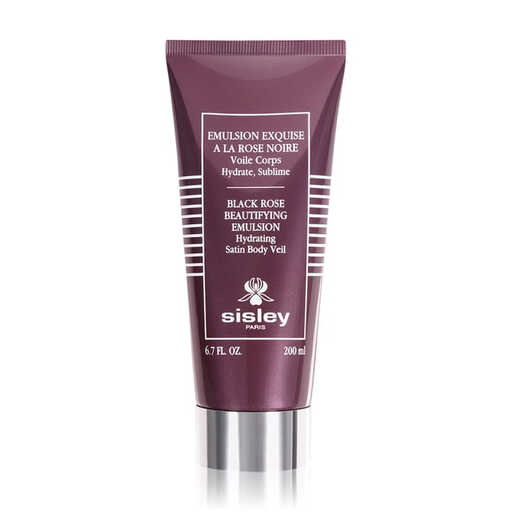
Why This Fits Their Persona: For users who want to turn their daily body care into a sensory ritual. This product combines intense moisture with an elegant texture and the scent of the Black Rose.
The higher price point is justified by a complex formulation with numerous hydrating and nourishing ingredients like Shea butter, Camelina oil, and Padina Pavonica extract, which go beyond a simple fragrance.
Ultra-hydrating and beautifying effect. Its lightweight, non-greasy texture absorbs instantly, allowing you to get dressed right away, according to the manufacturer.
We have compiled a complete, real-time updated list of products that fully meet these strict selection criteria and local safety regulations.
1. Is rose skincare suitable for sensitive skin? That depends on the formulation. Products with genuine rosewater or rose oil can have a soothing effect. However, products containing synthetic fragrances (often listed as "Parfum" or "Fragrance") can trigger irritation in sensitive skin. It is advisable to perform a patch test on an inconspicuous area, such as the inside of your elbow, before applying to the face.
2. What is the difference between rose oil and rosehip oil? Although both come from the rose plant, they are very different. Rose oil (e.g., Rosa Damascena Oil) is distilled from the flower petals, is very precious, and is used primarily for its fragrance and soothing properties. Rosehip oil (Rosa Canina Seed Oil) is pressed from the fruit (rosehips) of the plant. It is rich in fatty acids and vitamins and is valued for its regenerative and moisturising properties, especially for reducing the appearance of scars or signs of aging.
3. How do I incorporate a rose facial oil into my routine? A facial oil should generally be one of the last steps in your skincare routine. Apply it after cleansing, toning, and using water-based serums. You can gently pat 2-3 drops into the skin or mix them with your favourite moisturiser to enhance its nourishing effects. This helps to lock moisture into the skin.