
Lieferung heute & morgen

Qualitätsgarantie

Willkommens-Angebote freischalten: KOSTENLOSE Lieferung | Bis zu 80 % RABATT | Kostenlose 30-Tage-JoyPlus-Testphase
App herunterladen
The world of rosé sparkling wines can be overwhelming. Whether for a festive celebration, a relaxed evening, or as a thoughtful gift, the differences between a Rosé Sekt, a Rosé Champagne, and a Rosé Prosecco are often crucial. Add to that the growing demand for high-quality, non-alcoholic alternatives. This guide is designed to help you make an informed decision and find the perfect rosé sparkling wine for your needs. As your Joybuy Product Recommendation Officer, I have curated a selection that caters to various occasions and flavour profiles.
To find the right rosé sparkling wine, some basic knowledge is helpful. The following points provide a useful orientation.
A sparkling wine's designation reveals its origin and production method, which directly impacts its taste and quality.
The planned occasion is a great guide for your selection.
Here is a curated selection of rosé sparkling wines that cover different profiles and occasions.
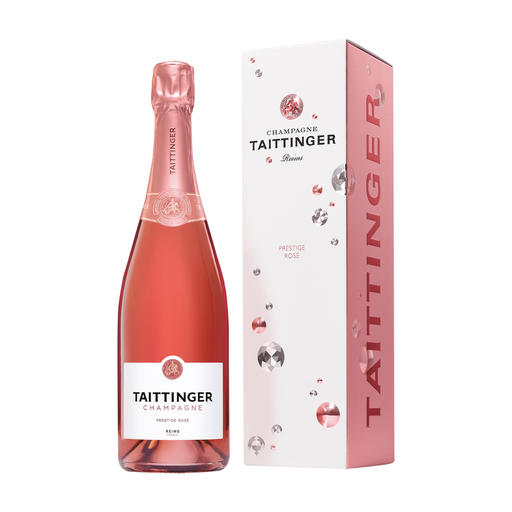
Why It Stands Out The Taittinger Rosé is distinguished by its intense, shimmering colour and balanced structure. It is an assemblage, where a 15% portion of red wine from Pinot Noir and Pinot Meunier grapes is added to the final blend. This not only gives it its colour but also a remarkable intensity and full-bodied flavour.
Key Features
Who It's For This Champagne is the choice for connoisseurs and for anyone wishing to crown an unforgettable occasion, like a wedding or a major anniversary, with an exceptional sparkling wine. It also makes a highly appreciated sparkling wine gift.
View Product: Champagne Taittinger Prestige Rosé
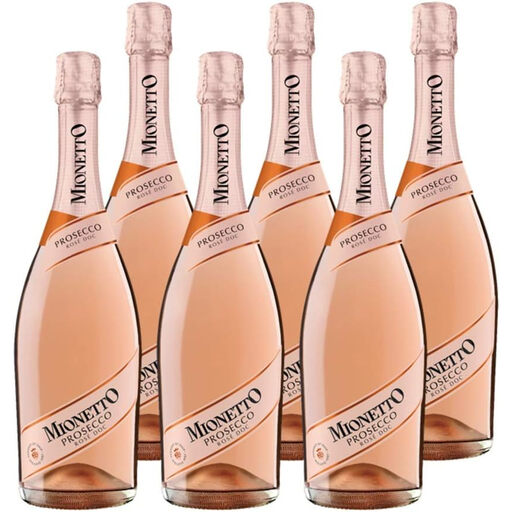
Why It Stands Out The Mionetto Prosecco Rosé is a Millesimato, meaning its grapes come from a single vintage. The cuvée of 85% Glera and 15% Pinot Noir is vinified using the Charmat method and matures for 60 days on the lees. This gives it a fine perlage and a bouquet with notes of red fruits, grapefruit, and a hint of bread crust.
Key Features
Who It's For Ideal for lovers of the Italian lifestyle. It's a perfect aperitif, pairs well with finger foods and seafood, or simply for a social get-together with friends. Its appealing peach-blossom pink colour also makes it a visual highlight.
View Product: Mionetto Prosecco Rosé DOC Millesimato
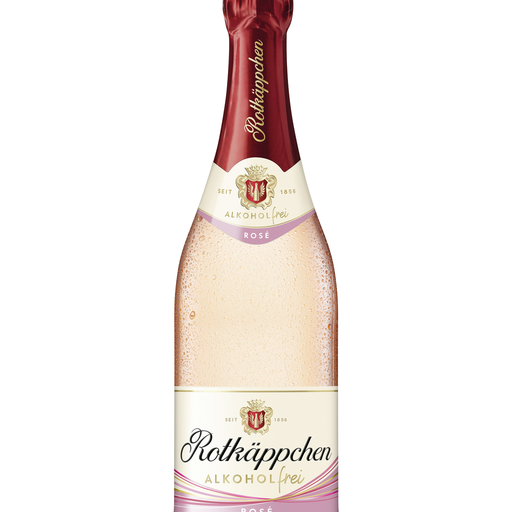
Why It Stands Out This non-alcoholic Rosé Sekt from Rotk?ppchen is made from selected wines that undergo a gentle dealcoholisation process. This preserves the fruity aroma, reminiscent of raspberries and strawberries. The fine, long-lasting perlage ensures an authentic sparkling wine experience.
Key Features
Who It's For Perfect for expectant mothers, designated drivers, or health-conscious enthusiasts. This Rotk?ppchen non-alcoholic rosé ensures that no one has to miss out on the toast, whether at a baby shower, a birthday, or a casual get-together.
View Product: Rotk?ppchen Sekt Non-Alcoholic Rosé
This selection covers some of the most popular categories, but the world of rosé sparkling wines is vast. If you're looking for other alternatives—be it a specific vintage, a different grape variety, or a special bottle size—you're sure to find the right product in our extensive range.
Discover Our Entire Range of Rosé Sparkling Wines
1. What is the difference between Rosé Sekt and Rosé Champagne? The main difference lies in their origin and production regulations. Rosé Champagne must come from the Champagne region of France and be made using the traditional method of bottle fermentation. Rosé Sekt is a German quality sparkling wine, and its grapes and production methods can vary, although bottle fermentation is also common here.
2. How is non-alcoholic Rosé Sekt made? The base for non-alcoholic Rosé Sekt is a fully fermented wine. The alcohol is then removed through a gentle process, usually vacuum distillation at low temperatures. This method largely preserves the wine's typical aromas. Carbonation is then added to create the perlage.
3. Which rosé sparkling wine makes a good gift? For a sparkling wine gift, products that tell a special story or are visually appealing are excellent choices. A Taittinger Rosé in its gift box represents luxury and appreciation. A Mionetto Prosecco Rosé Millesimato signals expertise and modern taste. The choice ultimately depends on the occasion and the recipient's preferences.