
Lieferung heute & morgen

Qualitätsgarantie

Willkommens-Angebote freischalten: KOSTENLOSE Lieferung | Bis zu 80 % RABATT | Kostenlose 30-Tage-JoyPlus-Testphase
App herunterladen
The search for the right rosé sparkling wine can quickly become overwhelming. The selection is vast, labels are often filled with tempting terms, and price ranges vary significantly. However, a high price or an intense colour are no guarantee of quality. Before you make a decision, it's helpful to know the most common pitfalls that can lead to an unsuitable choice.
A common misconception is that a deep, vibrant pink colour indicates a particularly fruity or high-quality sparkling wine. The colour comes from contact with the grape skins or the addition of a small amount of red wine and says little about the aromatic complexity or the quality of the perlage. Another point is the confusion of technical terms. Designations like Sekt, Secco, or Crémant describe different products with specific production methods and quality standards, which directly impact taste and price.
To make an informed decision that meets your expectations, three core parameters are crucial. These will help you correctly interpret product descriptions and find a sparkling wine that suits the occasion and your taste.
The way carbonation is introduced into the wine has a significant impact on the quality and mouthfeel of the sparkling wine.
The designation on the label provides information about the residual sugar content and thus the sweetness of the sparkling wine. The terms can vary depending on the country of origin. For Sekt from Germany, the following guidelines apply:
The geographical origin and the grape varieties used significantly shape the character of the rosé sparkling wine. A Rosé Prosecco from Veneto is typically made from Glera and Pinot Noir grapes and tastes different from a Rosé Crémant from the Loire made with Cabernet Franc, or a German rosé Sekt from Sp?tburgunder (Pinot Noir) grapes. Pay attention to these details to find a style that matches your preferences for fruity, floral, or mineral notes.
Based on these objective criteria, we have curated a selection of products for different profiles and occasions.
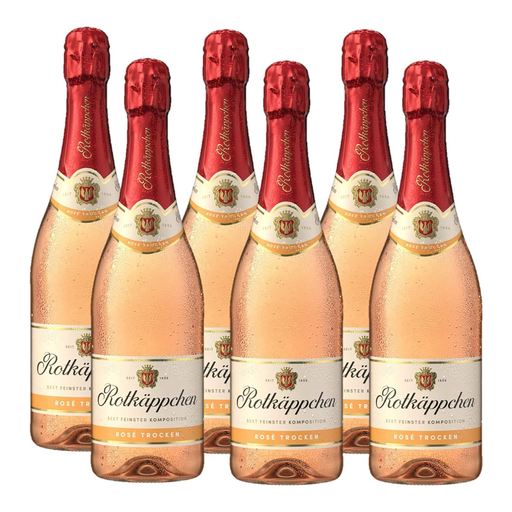
Why this product is a great fit: Ideal for parties, birthdays, or casual get-togethers where an approachable and reliable sparkling wine is needed in larger quantities. The rosé Sekt 6-pack offers predictable value for money.
You avoid the pitfall of buying an overpriced prestige sparkling wine for a simple occasion. This product offers well-known and reliable quality with no hidden costs.
A balanced, fruity character with notes of strawberry that is widely appreciated. The dry rosé Sekt style is a good compromise for different preferences.
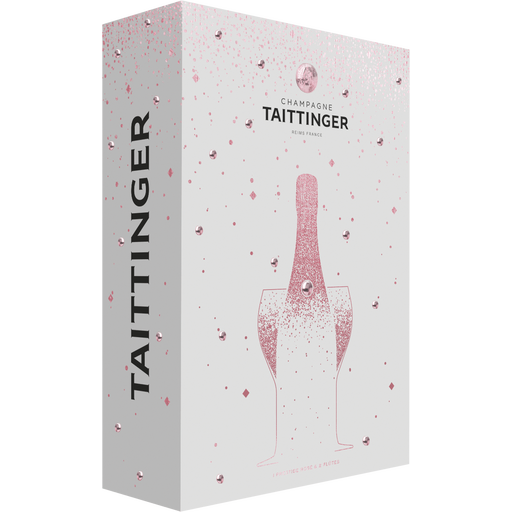
Why this product is a great fit: For celebrations, anniversaries, or as a high-end gift. This Rosé Champagne represents elegance and a sophisticated taste experience. The included glasses underscore its special character.
Here, you are specifically investing in guaranteed quality through traditional bottle fermentation and a renowned origin. You're not just paying for a name, but for a demonstrably complex product.
The production method ensures a fine, silky perlage and a multi-layered bouquet. The taste is lively, fruity, and full-bodied—a characteristic of great rosé assemblages.
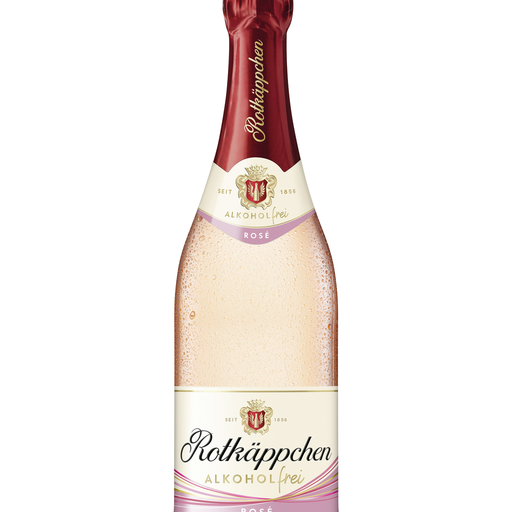
Why this product is a great fit: An excellent choice for anyone who wants to avoid alcohol but not the festive feeling of a toast. Perfect for baby showers, as an option for designated drivers, or for personal reasons.
This product is more than just a sweet, carbonated juice. As an alcohol-free rosé Sekt, it is based on de-alcoholised wine, which helps retain a wine-like character.
Offers an authentic taste experience with intense fruit notes of raspberry and strawberry and a fine perlage, all without alcohol. According to the manufacturer, it has only 31 kcal per 100 ml.
We have compiled a complete, up-to-date list of products that meet these strict selection criteria.
The main difference lies in the carbonation pressure and legal requirements. Sekt is a quality sparkling wine that must have a carbonation pressure of at least 3.5 bars at 20°C. Secco is a semi-sparkling wine (or "Perlwein") with a lower pressure of 1 to 2.5 bars. This results in a gentler sparkle, and it's often lighter. Additionally, carbonation is often artificially added to Secco, whereas for Sekt, it must come from the second fermentation.
Store the bottles upright in a cool, dark place with a constant temperature, ideally between 12 and 18°C. Direct sunlight and significant temperature fluctuations should be avoided. After opening, the bottle should be resealed with a special sparkling wine stopper, kept in the refrigerator, and consumed within one to two days to preserve its freshness and perlage.
A dry Rosé Sekt is a versatile food companion. Its fruitiness and fresh acidity pair well with light appetisers, salads, seafood, grilled fish, and white poultry. It can also be an interesting complement to dishes with a hint of spice or to goat cheese.