
Lieferung heute & morgen

Qualitätsgarantie

Willkommens-Angebote freischalten: KOSTENLOSE Lieferung | Bis zu 80 % RABATT | Kostenlose 30-Tage-JoyPlus-Testphase
App herunterladen
Rosé sparkling wine suits all kinds of occasions: as an aperitif at a reception, at brunch, for a celebration or chilled on a summer evening. There’s plenty to choose from, including German rosé sparkling wine, rosé Champagne, rosé Prosecco and rosé Cava. But with so much variety, choosing the right bottle can be tricky.
If you choose based only on the colour of the bottle or a familiar brand name, it’s easy to miss important differences. Here are three common pitfalls to avoid:
Sweetness is one of the most important factors. Dry rosé sparkling wine usually tastes fresher and more restrained, while medium-dry rosé sparkling wine can have more pronounced fruit flavours. Sweet rosé wine or sweet sparkling wine is better suited to people who enjoy stronger fruit notes.
So, check the label before you buy. Terms such as “Dry”, “Brut”, “Demi-Sec”, “Medium Dry” and “Mild” aren’t interchangeable. The tasting notes can also give you a helpful indication:
For example, Freixenet Carta Rosé Dry Cava combines a dry style with a stated residual sugar content of 17 g/l. Always check the product information for a precise indication of sweetness rather than relying on the name alone.
Rosé Champagne comes from the protected Champagne region of France. Rosé Cava is made in Spain, often using the traditional method of secondary fermentation in the bottle. Rosé Prosecco DOC comes from designated growing areas in Italy and is typically made from Glera grapes with a proportion of red grape varieties. German rosé sparkling wine can be made from different base wines and using different production methods, depending on the product.
These categories don’t automatically indicate quality. Instead, they help you understand a wine’s origin, style and production method. If you’re looking for a particular profile, check the following details too:
For a private tasting, one 0.75-litre bottle is often enough. For parties or regular use, a 6-pack of rosé sparkling wine can be more economical and easier to manage. Smaller bottles, such as 0.2 litres, are a good choice for occasions where you don’t want to store opened bottles.
Serve rosé sparkling wine chilled: depending on the product, the recommended serving temperature is usually around 6–10 °C. Rosé Prosecco, for example, can be served at 6–8 °C, while some rosé sparkling wines release their aromas better at 8–10 °C. Once opened, reseal the bottle with a suitable sparkling wine stopper and drink it soon afterwards. The fizz and freshness will fade after opening.
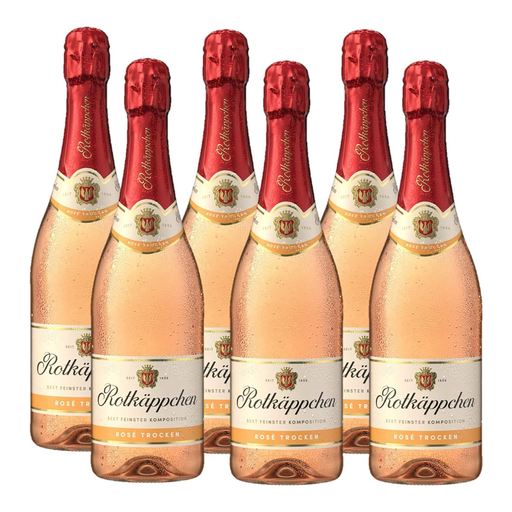
Why this product suits this buyer: This 6-pack contains six 0.75-litre bottles, making it a good choice for households and hosts who need several bottles for parties or regular occasions. The product information states an alcohol content of 11% vol. and a dry style.
The “Dry” designation and product details help you avoid accidentally choosing a noticeably sweet rosé sparkling wine.
Six 0.75-litre bottles, a dry flavour profile and 11% vol. according to the product information.
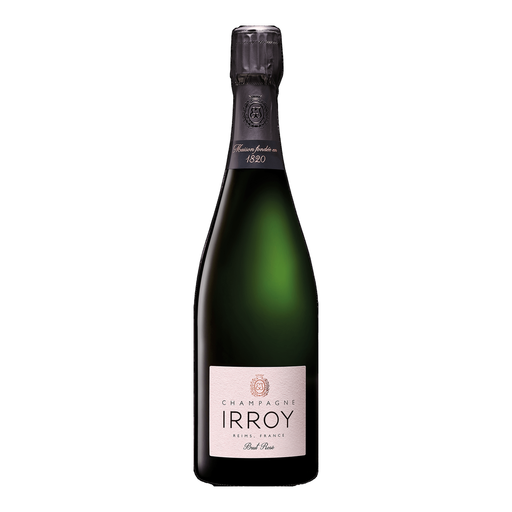
Why this product suits this buyer: This rosé Champagne comes in a 0.75-litre bottle. The product information states an alcohol content of 12.5% vol. and a blend of Pinot Noir, Meunier and Chardonnay.
The protected Champagne designation makes it clear that this isn’t just any rosé sparkling wine.
Champagne origin, 12.5% vol. and a blend containing 80% red grape varieties, according to the product description.
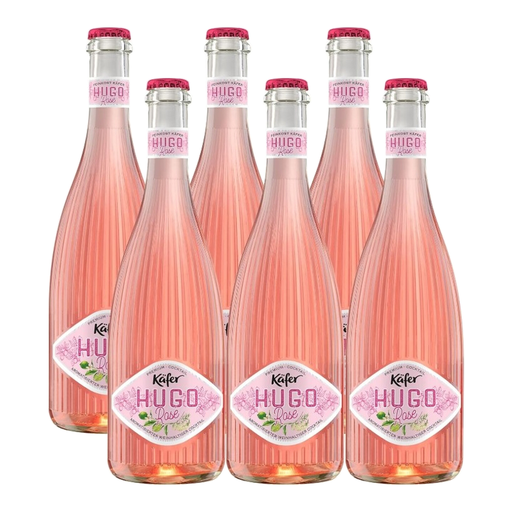
Why this product suits this buyer: This sweet, wine-based cocktail has elderflower and lime flavours and is designed to be served over ice as a rosé aperitif. The 6-pack is ideal for sharing with friends.
Clearly identified as a wine cocktail, it won’t be mistaken for dry sparkling wine or classic Champagne.
Six 0.75-litre bottles, 6.9% vol. and a specific serving suggestion: over ice with mint.
We’ve put together a complete, regularly updated list of products that meet these strict selection criteria and comply fully with the safety regulations in force in the EU.
An opened bottle can be kept in the fridge for a short time if you use a suitable sparkling wine stopper. For the best fizz and freshness, drink it soon after opening. You should also follow the instructions on the product label.
Many products are best served at 6–10 °C. Rosé Prosecco and some Cava varieties are often served at 6–8 °C, while other rosé sparkling wines are served at 8–10 °C. If it’s too cold, the aromas may be less noticeable.
Rosé sparkling wine is a general term for pink sparkling wine. Rosé Champagne can only come from the protected Champagne region of France and must comply with the regulations that apply there. Rosé Prosecco and rosé Cava each have their own rules on origin and production. For all varieties, check the alcohol content, sweetness and allergy information, such as “contains sulphites”. Alcoholic drinks are not suitable for children or pregnant women. In Germany, they can be sold to people aged 16 and over.