
Lieferung heute & morgen

Qualitätsgarantie

Willkommens-Angebote freischalten: KOSTENLOSE Lieferung | Bis zu 80 % RABATT | Kostenlose 30-Tage-JoyPlus-Testphase
App herunterladen
A 6-pack of rosé sparkling wine is a practical choice for garden parties, weddings, barbecues or regular aperitifs. Six bottles of 0.75 l each give you 4.5 l in total – enough for plenty of guests, without having to coordinate several separate orders. It’s also worth checking the sweetness level, origin and bottle size carefully. An attractive colour or a familiar brand name alone won’t tell you whether the sparkling wine suits the occasion and your personal taste.
A deep rosé colour doesn’t automatically mean a sweeter or fruitier wine. The colour depends, among other things, on the grapes used and the production method. For an idea of the flavour, terms such as brut, dry, medium dry or mild are more useful.
A fruity rosé sparkling wine can be made in a dry style and still have aromas of strawberries, cherries or red berries. If you’re expecting a noticeably sweeter style, don’t just look for words such as ‘fresh’ or ‘berry-flavoured’. Check the sweetness category and, if listed, the residual sugar too.
A 6 x 0.75 l pack is economical and convenient for events, but sparkling wine loses its fizz over time once opened. For smaller gatherings, 0.2 l bottles may be more practical. For larger celebrations, also check that you have enough room to chill and store the bottles.
The label can help you narrow down your options:
Dry rosé sparkling wine often goes well with savoury snacks, antipasti and light dishes. Medium-dry rosé sparkling wine may be a better match for fruity desserts or less savoury party food. For an aperitif, serving temperature and glass shape also matter: many products are best served between 6 and 10 °C.
The origin can give you an initial indication, but it doesn’t replace checking the product description. Italian rosé sparkling wine may be sold as Prosecco Rosé or Vino Frizzante. Cava Rosé from Spain is often associated with traditional bottle fermentation. French rosé sparkling wine can come from different regions, depending on its designation; rosé Champagne can only come from Champagne.
Production methods also vary. According to the product information, Freixenet Carta Rosé Dry Cava is made using traditional bottle fermentation. The supplier states that Mionetto Prosecco Rosé DOC Millesimato Extra Dry is made from 85% Glera and 15% Pinot Noir. Details like these are more useful to buyers than vague claims such as ‘particularly refined’.
Before you order, compare:
For online orders, also check what’s included, availability and the full product information. In Germany, alcoholic drinks must not be sold to anyone below the legal minimum age. Drink responsibly; alcohol should be avoided during pregnancy.
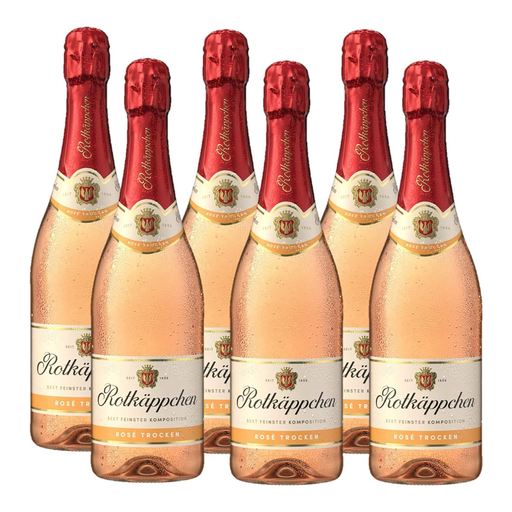
Why it suits this buyer: The 6-pack of 0.75 l bottles is a good choice for celebrations and get-togethers. According to the product information, this rosé has an alcohol content of 11% vol. and is best served well chilled at around 10 °C.
The term ‘Dry’ gives you a clearer idea of the style than colour alone. The product details also list sugar values and sulphites.
Six 0.75 l bottles, 11% vol. and a fruity strawberry character, according to the product description.
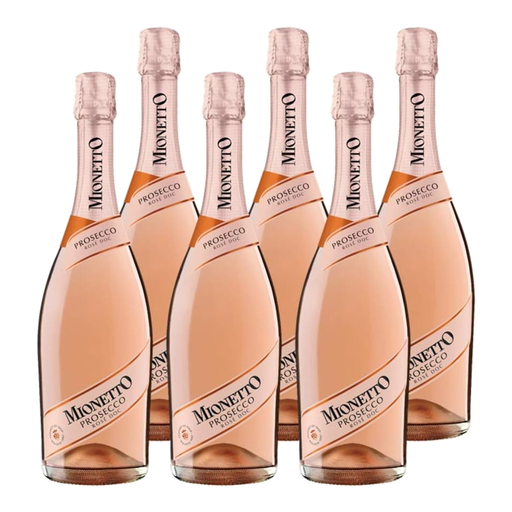
Why it suits this buyer: Its Italian origin, DOC designation and stated blend of Glera and Pinot Noir will appeal to buyers who like to compare origins and ingredients.
The product description gives details of the grape varieties, origin, sweetness style, serving temperature and food pairings, rather than relying on generic marketing claims.
6 x 0.75 l, 11% vol., a recommended serving temperature of 6–8 °C and an Extra Dry style, according to the product information.
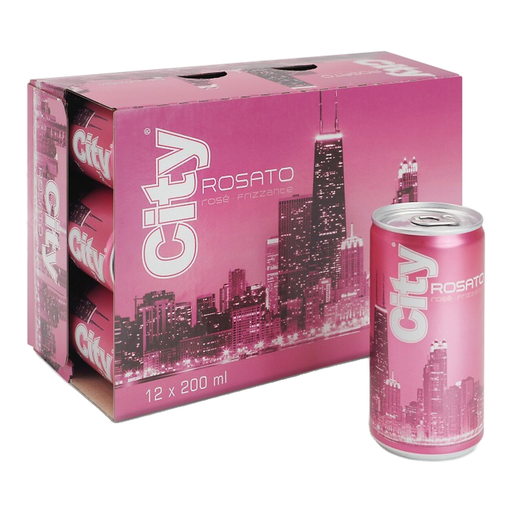
Why it suits this buyer: The small bottles are ideal for events where not everyone wants to share a full 0.75 l bottle.
The 12-pack of 0.2 l bottles means fewer partly used bottles and makes it easier to plan quantities for receptions or larger celebrations.
A semi-dry style, 12 individual servings and 75 kcal per 100 ml, according to the product information.
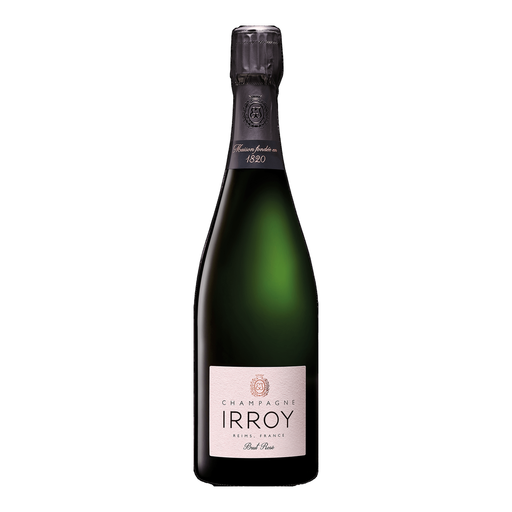
Why it suits this buyer: This single bottle is for buyers looking for French rosé Champagne for a special occasion or as a gift, rather than a 6-pack.
The product information lists a blend of 80% red grapes and 20% Chardonnay, a Brut style and an alcohol content of 12.5% vol.
Brut rosé Champagne, 0.75 l and notes of red fruit, brioche and almond.
We’ve put together a complete, regularly updated list of products that meet these strict selection criteria and the safety regulations applicable in the EU.
Chill rosé sparkling wine thoroughly before opening. Depending on the product, the recommended serving temperature may be 6–8 °C, 8–10 °C or around 10 °C. Don’t leave the bottles in direct sunlight for extended periods. Once opened, a suitable sparkling wine stopper can help keep the fizz for longer. Even so, opened bottles should be kept in the fridge and enjoyed soon.
Dry styles often pair well with seafood, salads, finger food and antipasti. Medium-dry products are usually a better match for fruity desserts or mildly spiced dishes. A Prosecco Rosé, a Cava Rosé and a German rosé sparkling wine can therefore each have a different role, depending on the menu.
Six bottles of 0.75 l each contain 4.5 l in total. At around 0.1 l per glass, that’s theoretically about 45 glasses. You’ll get fewer if you pour more generously or lose some to foam.
Once opened, the wine loses its fizz. A sparkling wine stopper and chilled storage can help preserve its quality in the short term. To enjoy it at its most sparkling, drink it as soon as possible. Check the packaging for the specific best-before or quality date.
That depends on the offer, delivery cost and the contents of the pack. Compare the price per 0.75 l and consider whether you really need six bottles. A 6-pack can be practical for regular celebrations; for a single aperitif, one bottle is often a better fit.