
Lieferung heute & morgen

Qualitätsgarantie

Willkommens-Angebote freischalten: KOSTENLOSE Lieferung | Bis zu 80 % RABATT | Kostenlose 30-Tage-JoyPlus-Testphase
App herunterladen
Rose water is sought out in Germany for a range of purposes: as rose water for the face, as a fragrance, as part of a cleansing routine or as rose water for baking. This versatility can make choosing the right product tricky: not every product featuring roses or smelling of roses is intended for the same use.
Using a facial toner in the kitchen or applying a food product to your skin means ignoring important labelling. Terms such as “natural”, “nourishing” or “for radiant skin” also tell you little about the product’s exact composition. The criteria below will help you assess rose water objectively and avoid buying the wrong product.
Rose water for Indian sweets needs to be clearly labelled as suitable for food use. A rose toner, facial lotion or facial spray with rose water, on the other hand, is intended for external use and should not be consumed.
For desserts such as Gulab Jamun, Barfi or Rasmalai, choose products with clear ingredient and quantity information. According to its product description, TRS Rose Water contains water and natural rose extract and is intended for culinary use. Samra Rose Water is described as containing water and rose essence. Always check the label, best-before date and storage instructions before use.
A pleasant rose scent can be a factor when choosing a product, but it doesn’t prove that it has any particular effect on your skin. A fragranced product such as Nuxe Very Rose Fragrant Water contains, among other ingredients, alcohol denat., fragrance and rose flower water. It is intended as a body fragrance, not as a traditional cleansing product.
It’s also worth checking the full INCI list for a rose facial toner. Fragrance ingredients such as geraniol, linalool or citronellol may be present. If you have sensitive skin, try the product on a small area first. Stop using it if irritation occurs.
If you’re considering a rose shower filter or an aromatic shower head with rose extract, there are several technical details to check: the connection, filter design, replacement interval and exactly what claims about chlorine reduction mean. Manufacturer claims such as “99 per cent” should be read as product-specific claims, not as a general guarantee for every water quality or household.
A filter is also no substitute for drinking water treatment. Your local water supplier and its analysis data are the relevant sources for assessing your tap water.
First, check whether the product is:
The product category determines how the rose water may be used.
For cosmetic products, the INCI list is key. According to its product information, Garnier Skin Active Micellar Rose Water All-in-1 400 ml contains, among other ingredients, rose flower water, glycerin, panthenol, salicylic acid and fragrance. Nuxe Very Rose Soothing Micellar Water 200 ml is described as containing rose flower water, glycerin and other cleansing and moisturising ingredients.
A high proportion of rose water doesn’t automatically prove quality. What matters is whether the whole formula suits your skin type and intended use.
For occasional use in the kitchen, a 190 or 245 ml bottle may be enough. If you use a facial spray or toner every day, compare the bottle size with how quickly you expect to use it. For filters, also consider the size of your household, water usage and replacement intervals.
Keep cosmetics tightly closed after opening and store them according to the packaging instructions. Keep food-grade rose water in a cool, dry place and avoid storing it for too long after opening.
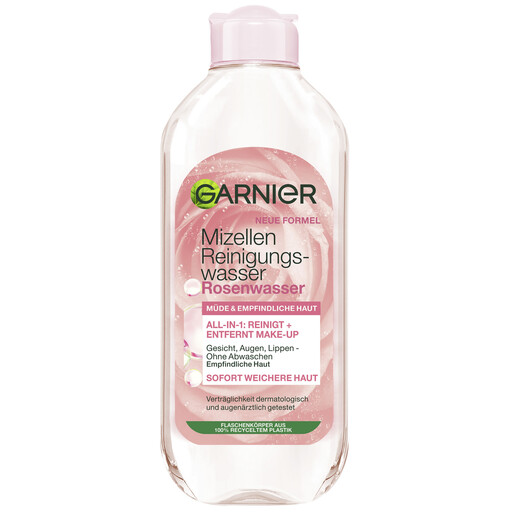
Why it suits this profile: The 400 ml bottle is a good choice if you want to use micellar water with rose water regularly to cleanse your face.
The product description clearly states that it is for use on the face, eyes and lips, and for external use only. This makes its purpose distinct from that of food-grade rose water.
400 ml; rose flower water, glycerin and panthenol listed among the ingredients.
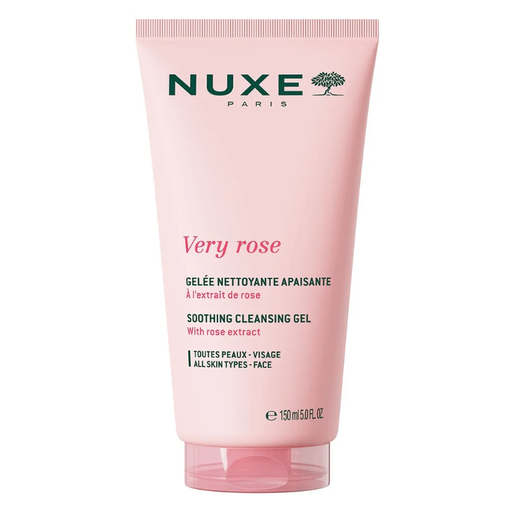
Why it suits this profile: A handy 200 ml size for anyone looking for a clearly defined cleansing product with rose water.
Its use as a cleansing water is clearly described. The ingredients list also makes it easy to check for any personal sensitivities.
200 ml; according to the product information, no rinsing is needed; contains rose flower water and glycerin.
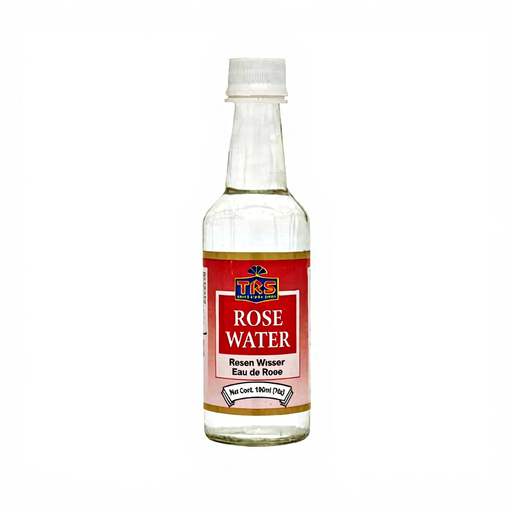
Why it suits this profile: A good choice for home cooks and fans of Indian food who need rose water for sweets and aromatic recipes.
The description identifies it as a culinary product and gives examples such as Barfi, Gulab Jamun and Rasmalai.
190 ml; water and natural rose extract according to the product description; intended for Indian sweets.
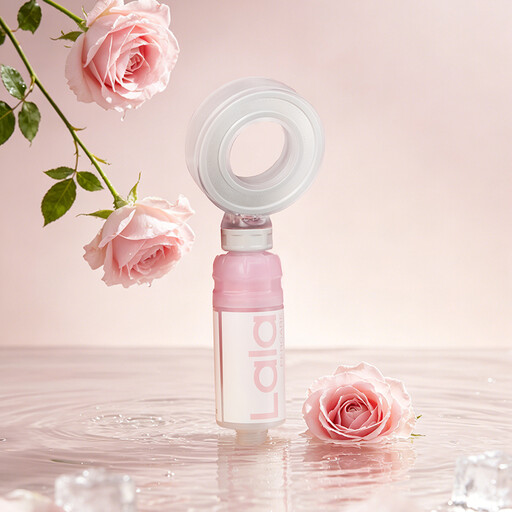
Why it suits this profile: For households looking for a rose shower filter with a fragrance element and a replaceable filter unit.
The product description specifies a four-stage filter and an estimated service life based on household size. Check these details against your own usage.
Four filter stages according to the supplier; rose extract; designed for standard connections; remember to factor in replacement filters.
We’ve put together a complete, regularly updated list of products that meet these strict selection criteria and fully comply with the safety regulations in force in the EU.
Food-grade rose water is often used in desserts, drinks and Indian sweets. Depending on the product, cosmetic rose water can be used as a toner, cleansing water, body fragrance or facial spray. Always follow the instructions on the packaging.
There’s no one-size-fits-all answer. Check the full ingredients list, paying particular attention to alcohol and fragrance. Try a new rose water for the face on a small area of skin first, and avoid contact with your eyes.
Its service life depends on water usage, water quality and the number of people in your household. For the Lalapercare model, the supplier gives different timeframes for individuals, couples and larger households. Replace the filter as instructed by the manufacturer, or when you notice a drop in performance.