
Lieferung heute & morgen

Qualitätsgarantie

Willkommens-Angebote freischalten: KOSTENLOSE Lieferung | Bis zu 80 % RABATT | Kostenlose 30-Tage-JoyPlus-Testphase
App herunterladen
Rose water is a staple in many skincare routines, prized for its hydrating and soothing properties. Yet, the market is flooded with products whose labels often promise more than their ingredients deliver. Many users invest in a product that fails to provide the desired results because crucial details were overlooked.
As your Joybuy Product Recommendation Officer, I'm here to help you navigate the marketing jungle. In this guide, I'll show you the most common pitfalls when buying rose water for your face and which objective criteria you should look for to make an informed decision.
Before you add a product to your cart, you should be aware of three common issues that can lead to disappointment:
To ensure you get a product that meets your expectations, you should check two to three core parameters. These will help you objectively assess a product's quality and suitability.
The International Nomenclature of Cosmetic Ingredients (INCI) lists all of a product's components in descending order of their concentration.
The terminology surrounding rose can be confusing. Here are the key differences:
A high-quality product will typically specify the type of rose component used.
The choice between a rose water spray and a liquid toner depends on your personal preferences and intended use.
Here are some product recommendations tailored to different needs and use cases.
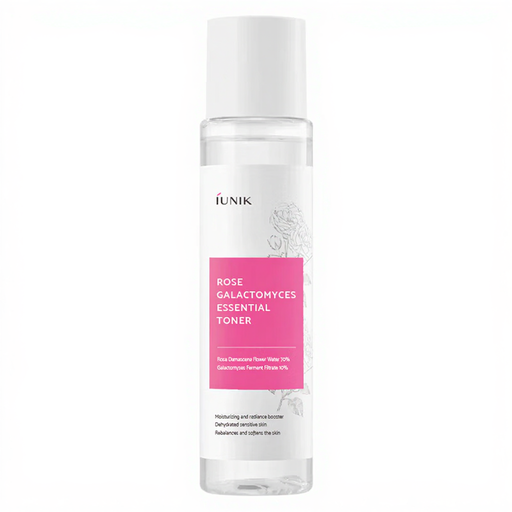
Why This Fits Their Persona: Ideal for users who value a high concentration of the main active ingredient. This product is aimed at connoisseurs seeking effective, natural ingredient-based care that hydrates while regulating sebum production.
It avoids the low-concentration trap, as the manufacturer states it contains 70% rose water (Rosa Damascena Flower Water), which is listed first on the INCI list. The formula is also alcohol-free.
Combines highly concentrated rose water with Galactomyces Ferment Filtrate, known for its balancing and pore-refining properties. Features a lightweight, fast-absorbing texture.
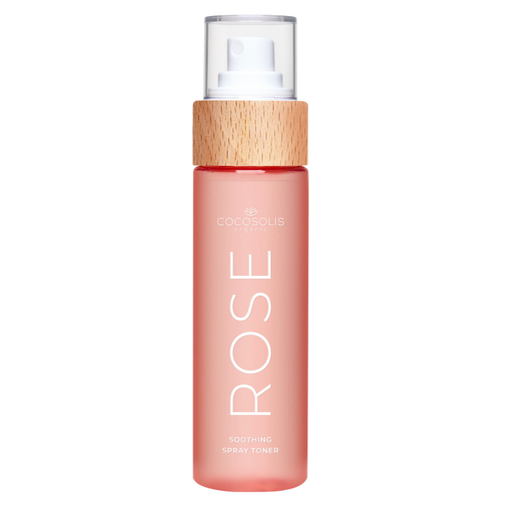
Why This Fits Their Persona: Perfect for professionals, travellers, or anyone looking for an easy refresh on the go. The spray format allows for quick and hygienic application without cotton pads, making it ideal for the office or your handbag.
The transparent INCI list shows rose water (Rosa Damascena Flower Water) in the second position, signalling a solid concentration. It makes no misleading promises; the product is clearly positioned as a refreshing spray toner.
Convenient spray format for an instant refresh. The formula combines rose water with hydrating ingredients like coconut extract, glycerin, and panthenol.
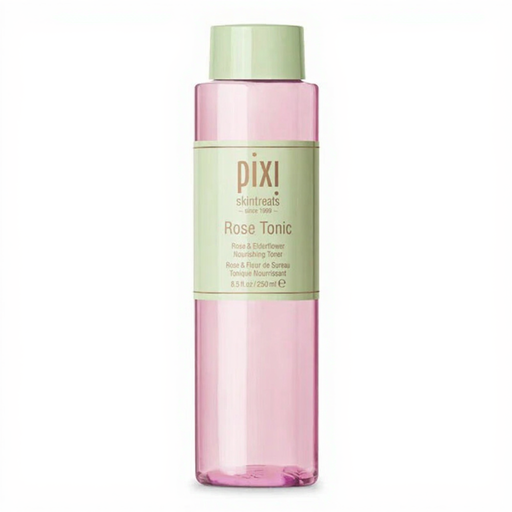
Why This Fits Their Persona: For skincare enthusiasts who see a toner as an essential, balancing step in their multi-step routine. This product optimally prepares the skin for serums and moisturisers and helps to normalise the pH level after cleansing.
This tonic is explicitly alcohol-free, thus avoiding the drying alcohol trap. It relies on genuine rose hydrosol (second on the INCI list) instead of synthetic fragrances for its soothing effect.
The formula is enriched with other soothing extracts like Aloe Vera, Chamomile, and Elderflower. It helps to balance the skin's pH and reduce redness.
We have compiled a complete, up-to-date list of products that fully meet these strict selection criteria and current safety regulations.
Yes, most rose water products, especially alcohol-free toners and sprays, are designed for daily use in the morning and evening. They serve as a hydrating and soothing step after cleansing and before applying serums or creams.
A good indicator is the INCI list. Look for "Rosa Damascena Flower Water" (or a similar term for rose hydrosol) near the top of the list. Also, ensure the formula is free of denatured alcohol and, ideally, synthetic fragrances ("Parfum" or "Fragrance") if you have sensitive skin.
Genuine rose hydrosol is known for its soothing and anti-inflammatory properties, making it generally well-suited for sensitive skin. However, it's crucial to choose a product without irritating additives like alcohol or artificial fragrances. If you have a known allergy to roses, perform a patch test on an inconspicuous area, such as your forearm, before applying it to your face.