
Lieferung heute & morgen

Qualitätsgarantie

Willkommens-Angebote freischalten: KOSTENLOSE Lieferung | Bis zu 80 % RABATT | Kostenlose 30-Tage-JoyPlus-Testphase
App herunterladen
The variety of rosé wines is vast, and the dazzling hues on the shelf can make the decision difficult. Those looking to buy rosé wine online often face the question of which product is right for their taste and the planned occasion. To avoid disappointing purchases based on common misconceptions or clever marketing, it's helpful to know a few basic pitfalls.
A common mistake is assuming the wine's colour determines its sweetness. A deep pink does not necessarily mean a sweet wine, just as a pale rosé is not always dry. Another point is overlooking the origin and grape variety, which often leads to surprising flavour outcomes. Finally, people often forget that there is a suitable type of rosé for every occasion—from a relaxed evening to a celebration. This guide will help you understand these aspects and make an informed choice.
Before making a decision, you should consider three central features. These will help you find the product that meets your expectations and avoid disappointment.
The flavour profile is one of the most important criteria. It is determined by the residual sugar content in the wine and is indicated on the label.
Not all rosé is the same. The production method leads to different products for various occasions.
The region and the grapes used significantly shape the character of a rosé wine.
A Rosé wine case can be a great way to discover different styles and origins without having to commit to a single variety immediately.
To make your choice easier, we have matched some products to different profiles.
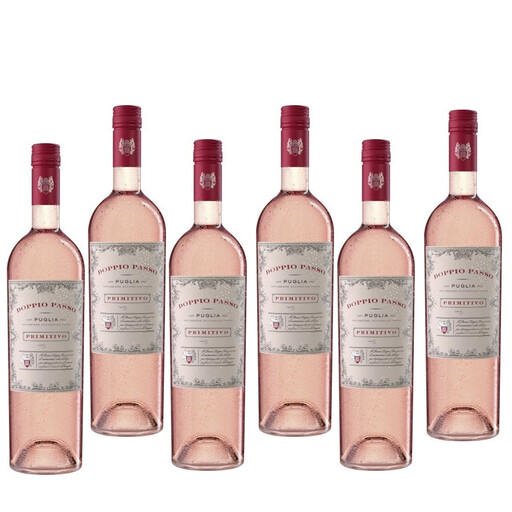
Why This Fits Their Persona: Ideal for hosts looking for an approachable and crowd-pleasing wine for parties or barbecues. The 6-pack offers excellent value and ensures there's enough for several guests.
Instead of an undefined rosé, this wine offers a clear flavour profile. The off-dry Primitivo Rosato is known for its fruitiness and appeals to a broad audience.
A harmonious balance of fruit and freshness. Pairs well with cheese platters, grilled meats, and light summer salads.
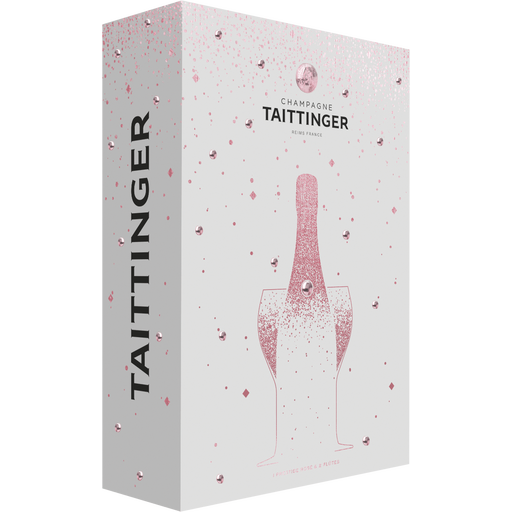
Why This Fits Their Persona: For connoisseurs seeking a high-quality sparkling wine for celebrations like anniversaries or birthdays. The set with two matching glasses underscores its exclusive character.
Prevents choosing an unsuitable wine for a festive moment. As a Champagne, it meets the highest quality standards and is specifically made for such occasions.
An elegant balance of silky and full-bodied notes. Lively, fruity, and fresh on the palate.
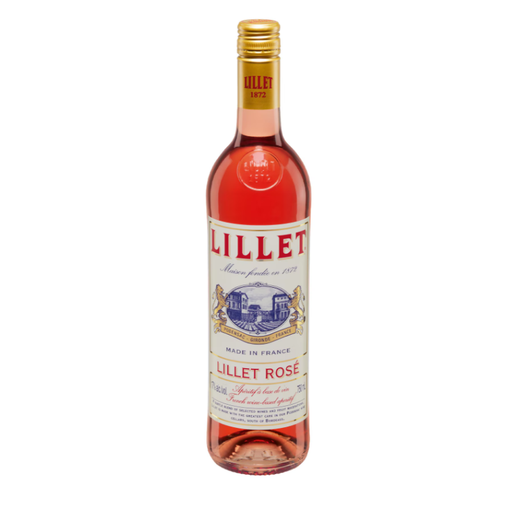
Why This Fits Their Persona: Perfect for those who love trying new drinks and are looking for a versatile cocktail base. Lillet Rosé is a trendy choice for a light aperitif like the Lillet Rosé Spritz.
Broadens the horizon beyond traditional wine. Instead of mixing a still wine, this product offers an aromatic alternative specifically designed for aperitifs.
Subtle aromas of red berries and citrus fruits. Versatile and a lighter alternative to many other long drinks.
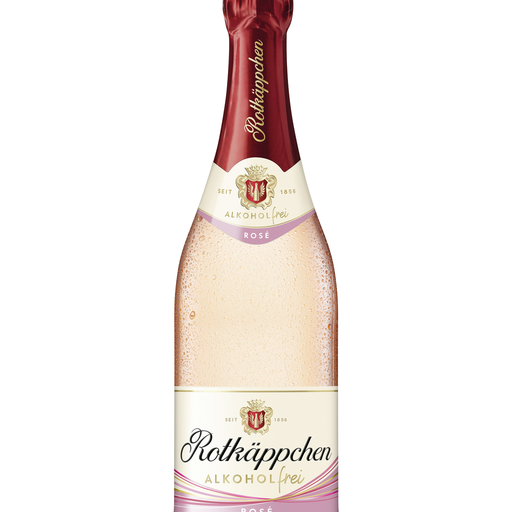
Why This Fits Their Persona: For anyone who wants to enjoy the taste and sparkling sensation of Sekt but without the alcohol. Ideal for celebrations where designated drivers or expectant mothers also want to raise a glass.
Ensures no one has to toast with water. This product offers a high-quality, sparkling alternative that delivers on taste and captures the feeling of Sekt.
Intensely fruity taste of raspberry and strawberry, thanks to a gentle dealcoholisation process. Fine, long-lasting bubbles.
We have compiled a complete, up-to-date list of products that fully meet these strict selection criteria and regulatory requirements.
An opened bottle of still rosé wine should be tightly sealed, stored in the refrigerator, and consumed within 3 to 5 days. Its fresh, fruity aroma dissipates relatively quickly. Opened sparkling rosé will lose its carbonation after just 1 to 2 days, even with a special stopper.
The ideal serving temperature for most rosé wines is between 8 and 10 °C. Lighter, drier rosés can be served slightly cooler, while more robust, fruitier versions unfold their aromas better at around 10-12 °C. An aperitif like Lillet Rosé is often served over ice.
No, the versatility of rosé wine is often underestimated. While light, dry rosés are excellent with salads, fish, and seafood, more powerful rosés, like a Primitivo Rosato or a German Sp?tburgunder Rosé, can also pair well with grilled poultry, pork, or even spicy Asian dishes. A sweet rosé is a fitting companion for fruit desserts or mild cheese.