
Lieferung heute & morgen

Qualitätsgarantie

Willkommens-Angebote freischalten: KOSTENLOSE Lieferung | Bis zu 80 % RABATT | Kostenlose 30-Tage-JoyPlus-Testphase
App herunterladen
By a Joybuy Product Recommendation Officer, August 28, 2026
The selection of rosé wine can be overwhelming. Shelves are filled with bottles in every imaginable shade of pink, from pale salmon to vibrant cherry red. But behind the appealing labels and marketing promises often lie pitfalls that lead to disappointing purchases. Before you choose your next bottle, you should know the most common misconceptions that often lead to buyer's remorse.
To find the right rosé wine, it's helpful to focus on objective characteristics rather than being swayed by marketing messages. Pay attention to the following three parameters to make an informed decision.
The information on the label reveals the wine's residual sugar content and thus its flavour profile.
The combination of the growing region and the grapes used significantly shapes the character of a rosé wine.
For many buyers, additional criteria play a role. An Organic Rosé Wine is cultivated according to strict ecological guidelines, which has a positive impact on the environment. Vegan wines are produced without the use of animal-based fining agents. A Rosé Wine Case, often containing six bottles, typically offers a price advantage and is practical for stocking up for parties or the summer months.
Based on these objective criteria, we have curated a selection of products for different profiles and use cases.
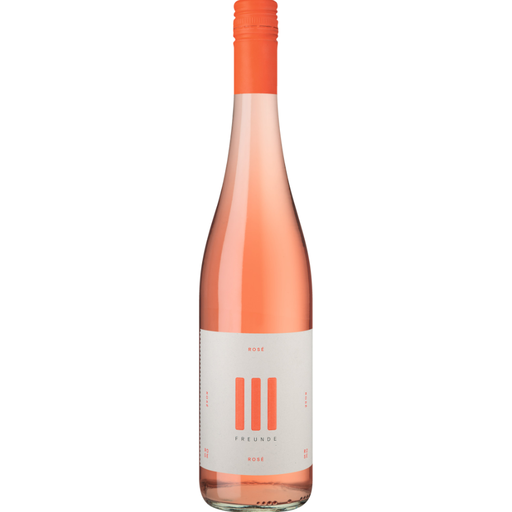
Why This Fits Their Persona: Ideal for long evenings with friends. This wine is intentionally uncomplicated, light, and refreshingly mineral, making it an approachable companion for barbecues and social gatherings without being too demanding.
This wine proves that a good rosé doesn't have to come from France. As a cuvée from Rheinhessen, it showcases the potential of German rosé wines.
Taste Profile: Dry, mineral, fresh. Grape Variety Cuvée: A blend of Cabernet Sauvignon, Dornfelder, Sp?tburgunder, and other varieties ensures a balanced fruitiness.
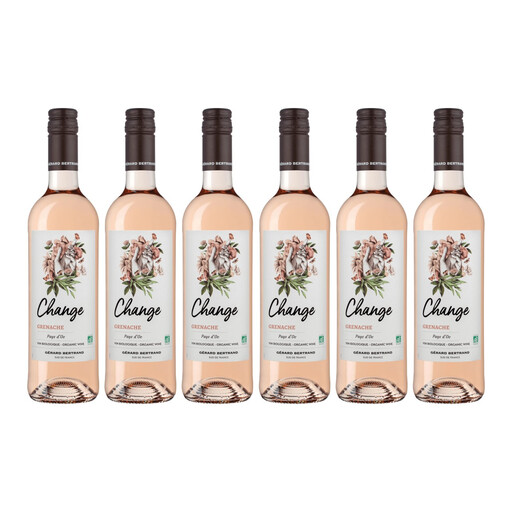
Why This Fits Their Persona: For buyers who value origin, sustainability, and demonstrable quality. Gérard Bertrand is known for his biodynamic cultivation and has been recognised for his commitment, which appeals to quality-oriented customers.
Here, the renowned origin (Southern France) is combined with a demonstrable commitment to quality and sustainability (Organic Certification FR-BIO-01).
Organic Quality: Certified organic cultivation. Convenient Wine Case: The 6-pack is ideal for stocking up on a quality wine.
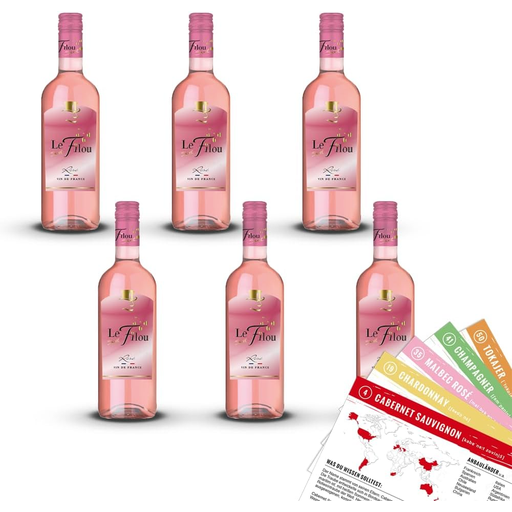
Why This Fits Their Persona: Perfect for wine drinkers who prefer an approachable, fruit-forward style. The off-dry profile and aromas of blackberry and melon specifically appeal to those who dislike dry, high-acid wines.
This wine refutes the prejudice that sweeter wines are inferior. It is clearly declared as off-dry and delivers a deliberately sweet and fruity taste experience.
Clear Taste Profile: Described as "Sweet and fruity," it delivers exactly what the label promises. Versatile Food Pairing: Pairs well with salads, fish dishes, or as a patio wine.
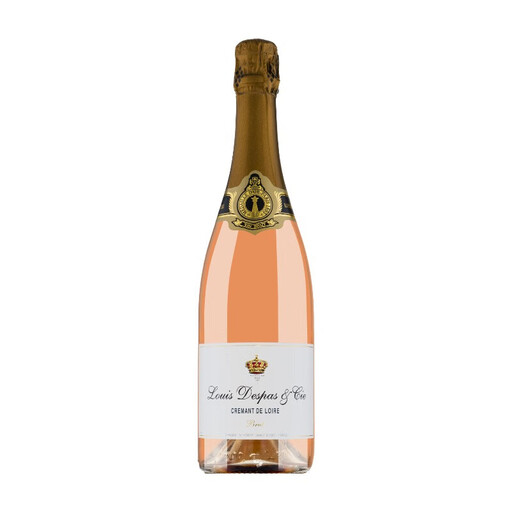
Why This Fits Their Persona: For special occasions or as an elegant start to the evening. This Crémant offers the finesse of a sparkling wine, filling the **sparkling rosé** niche. It is a sophisticated alternative to still rosé wine.
Instead of being a simple sparkling wine, this product makes a clear quality statement through its "Crémant de Loire" designation of origin and traditional bottle fermentation.
Production Method: Traditional bottle fermentation, which ensures a fine effervescence and complex aromas. Single Varietal: Made from 100% Cabernet Sauvignon, giving it a clear structure and fruitiness.
We have compiled a complete, up-to-date list of products that fully meet these strict selection criteria and regulatory standards.
An opened bottle of rosé should be tightly sealed and stored in the refrigerator. Under these conditions, it will maintain its freshness for about 1 to 3 days. Lighter, fresher rosés should be consumed more quickly, while more robust versions may last a bit longer. After this period, the wine will noticeably lose its fruit aromas and freshness.
The term "dry" is legally regulated and refers to the residual sugar content of the wine. In Germany, a dry wine can contain a maximum of 9 grams of sugar per litre, where the acidity level must not be more than 2 g/l lower than the sugar content. In terms of taste, this means that no dominant sweetness is perceptible; instead, fruit, acidity, and mineral notes are at the forefront.
Rosé wine is an extremely versatile food companion. A dry rosé wine pairs excellently with light appetisers, salads, grilled vegetables, fish, and white meats like chicken. An off-dry rosé wine harmonises well with spicier dishes, such as those from Asian cuisine, or with mild cheeses. A sweet rosé wine is a great partner for fruity desserts or can be enjoyed on its own as an aperitif.