
Lieferung heute & morgen

Qualitätsgarantie

Willkommens-Angebote freischalten: KOSTENLOSE Lieferung | Bis zu 80 % RABATT | Kostenlose 30-Tage-JoyPlus-Testphase
App herunterladen
If you’re looking to buy rosé wine, you’ll find a wide choice online: still rosé wine, rosé sparkling wine, rosé Champagne, rosé fizz and rosé Frizzante. But bottle size, origin and sweetness descriptions can all make a difference. An attractive bottle or a low price per bottle alone won’t tell you whether a wine suits the occasion or your taste.
“Fruity” doesn’t automatically mean “sweet”. A dry rosé can have notes of strawberry, raspberry or cherry without tasting noticeably sweet. For a more targeted choice, look for terms such as dry, medium-dry, extra dry or sweet.
Sparkling wines also have their own terminology. “Brut” generally indicates a drier style, while “Extra Dry” can contain slightly more residual sugar, despite its name. Always check the details on the product label and in the product information.
A 6-bottle or 12-bottle pack of rosé can be a good choice for barbecues, parties or regular enjoyment. Even so, compare the price per 0.75-litre bottle and consider how much you’ll actually need. If you’re buying a 12-bottle pack, make sure you have enough cool, dark storage space, too.
Smaller bottles, such as 0.2-litre bottles, can be handy for receptions or serving individual portions. The price per litre often differs from that of standard bottles, so compare the net volume to avoid an unsuitable purchase.
Italian, French and German rosé wines can differ in grape varieties, style and acidity. Rosé Frizzante is a lightly sparkling wine, while Prosecco Rosé belongs to a specific Italian origin and product category. Rosé Champagne comes from the Champagne region and is made according to the rules that apply there.
“Organic rosé wine” and “vegan rosé wine” should also be considered separately. An organic certification refers to production according to the relevant environmental regulations. “Vegan” relates, among other things, to the production process and any fining agents used. So check the specific product labelling.
The level of sweetness should suit the occasion and your personal taste:
The alcohol content of the products featured ranges from 7.5 to 13.0 % vol, for example. A lower alcohol content may suit longer social occasions, while fuller-bodied wines can offer more weight. Alcoholic drinks are intended for adults only. Please observe the legal age limit, drink responsibly and avoid alcohol completely during pregnancy.
The level of carbonation affects the mouthfeel and how you might serve the wine:
Check the recommended serving temperature. Sparkling wines are often best served at 6–8 °C, while still rosé wines are usually served at 8–12 °C. Drinks served too warm can taste more alcoholic; wines that are too cold will show less aroma.
The grape variety can give you an initial idea of a wine’s style, but it’s no substitute for a full product description. For example, Doppio Passo Primitivo Rosato is made from Primitivo grapes and comes from Apulia. Landlust Rosé combines Pinot Noir and Dornfelder grapes from Rheinhessen. Mionetto Prosecco Rosé is listed as containing 85 % Glera and 15 % Pinot Noir.
Also check:
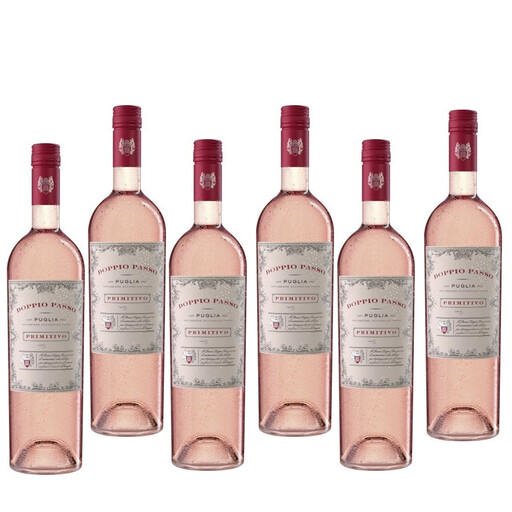
Why this product suits this profile: The pack of six 0.75-litre bottles is a practical choice for households planning ahead for barbecues or visitors. The medium-dry style and 13,0 % vol alcohol content are clearly stated.
The product information clearly sets out the flavour style, pack size, origin in Apulia and serving temperature of 8–10 °C.
Six standard bottles, fruity Primitivo Rosato and, according to the product information, suitable for vegetarians and vegans.
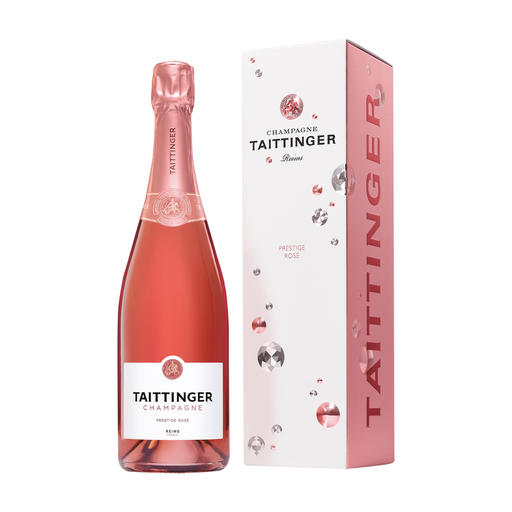
Why this product suits this profile: This single bottle from Champagne is suited to an aperitif, dinner or special gift occasion. The product information lists bottle fermentation, 12,5 % vol alcohol and 9,8 g/l residual sugar.
The Champagne origin, natural cork closure and bottle fermentation are all clearly specified, rather than suggested by the packaging design alone.
A fresh, fruity style, 0.75-litre bottle and recommendation to store in a cool, dark place.
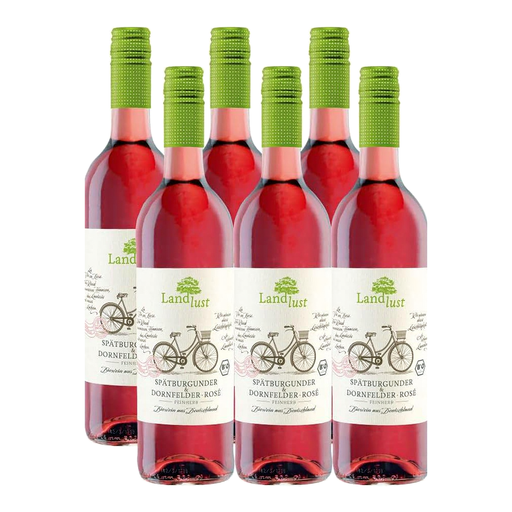
Why this product suits this profile: This German organic rosé wine from Rheinhessen is labelled as vegan and comes in a pack of six. Its medium-dry taste, with strawberry and raspberry notes, pairs well with antipasti, fish, salads and poultry.
Organic status, vegan suitability, grape varieties, growing region and alcohol content of 11 % vol are listed separately in the product information.
A total of 4,5 litres, matured in stainless steel tanks and a recommended serving temperature of 10–12 °C.
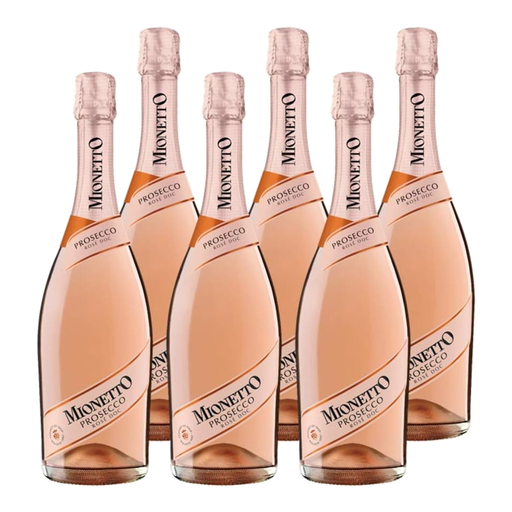
Why this product suits this profile: This Italian rosé sparkling wine comes in a pack of six and is suited to aperitifs, finger food, seafood and risotto. The product information lists 11 % vol alcohol and a serving temperature of 6–8 °C.
The grape variety proportions, DOC origin, time spent ageing on the lees and “Extra Dry” style are all clearly specified in the product information.
Six bottles, fine, persistent bubbles and suggested pairings with light dishes.
We’ve put together a complete, regularly updated list of products that meet these strict selection criteria and the safety regulations in force in the EU.
Store unopened bottles in a cool, dry place away from direct sunlight. Significant temperature fluctuations can affect storage conditions. Rosé wine should be chilled sufficiently before serving. If you’re hosting a celebration, it’s worth putting several bottles in the fridge or a suitable drinks cooler in good time.
Once opened, bottles should be resealed and consumed within the time stated on the product page. A suitable stopper can help sparkling wine retain its bubbles for longer. However, how long it keeps after opening depends on the product and storage conditions.
Look for the term dry, Brut or, depending on the product, a stated low residual sugar level. “Fruity” describes the aroma first and foremost; it doesn’t necessarily mean sweet. If you’re unsure, check the residual sugar and flavour style in the product information.
Still rosé wines are often served at around 8–12 °C. Depending on the product, rosé sparkling wine, rosé Frizzante and rosé Champagne are generally best served at 6–10 °C. The producer’s specific recommendation should take precedence.
A 6-bottle pack is suited to regular enjoyment, smaller celebrations and keeping a few bottles at home. A 12-bottle pack can make sense for larger events if you’re sure you’ll need that quantity. Always compare the price per litre, available storage space and how quickly you expect to drink it.