
Lieferung heute & morgen

Qualitätsgarantie

Willkommens-Angebote freischalten: KOSTENLOSE Lieferung | Bis zu 80 % RABATT | Kostenlose 30-Tage-JoyPlus-Testphase
App herunterladen
Anyone looking to buy rosé wine online will quickly find a wide selection: still wine, rosé Sekt, rosé sparkling wine, Prosecco rosé or Cava rosé. However, product names and bottle images alone reveal little about whether a wine suits your taste, your meal or the occasion you have planned. It is therefore worth checking certain details carefully before buying.
Terms such as “fruity”, “berry-like” or “summery” are not reliable indicators of sweetness. A dry rosé wine can have strawberry or cherry aromas without tasting sweet. If you prefer a softer, sweeter style, look specifically for semi-dry rosé wine or medium-sweet rosé wine.
A rosé wine multipack usually contains six 0.75-litre bottles, giving a total of 4.5 l. Smaller bottles, such as 12 × 0.2 l, are practical for individual servings but offer a different total volume. Before buying, check the bottle size, number of bottles and total volume.
Frizzante rosé, rosé Sekt and Cava rosé differ in terms of origin, production method and carbonation, among other things. Prosecco rosé comes from Italy and carries the DOC designation where appropriately labelled. Cava rosé comes from Spain and is traditionally made using bottle fermentation. The product description should therefore state more than just “Sparkling” or “Secco”, ideally also specifying the origin and style.
The terms on the label provide an initial guide:
Some products also provide additional values such as sugar or acidity levels. The alcohol content of the wines available is often between around 10 and 12.5 % vol, although some Italian Frizzante varieties may be lower.
Still rosé is ideal for a relaxed dinner, picnic or barbecue. Rosé Sekt and rosé sparkling wine contain carbonation and are often served as an aperitif or at celebrations. To keep sparkling wine fresher for longer after opening, a suitable Sekt or sparkling-wine stopper is a sensible choice.
A 0.75-l rosé wine is the standard bottle size. For a party, a rosé wine multipack containing six bottles may be more economical and easier to plan for. Smaller 0.2-l bottles, on the other hand, reduce the amount left over once opened and are suitable for receptions or events where drinks are served individually.
Origin details such as Germany, Italy, France, Spain or California help you place a wine in context, but they do not replace a description of its taste. If you are specifically looking for organic or vegan products, check for the relevant certification or label. For example, the product details for Landlust Pinot Noir & Dornfelder state that it is “organic” and “vegan”.
For the wines listed, sulphur dioxide or sulphites are declared as allergens. The information on the relevant product page and packaging is authoritative. Alcoholic drinks are not intended for anyone under the legal drinking age. Alcohol should be avoided during pregnancy. Please drink responsibly and do not take part in road traffic after consuming alcohol.
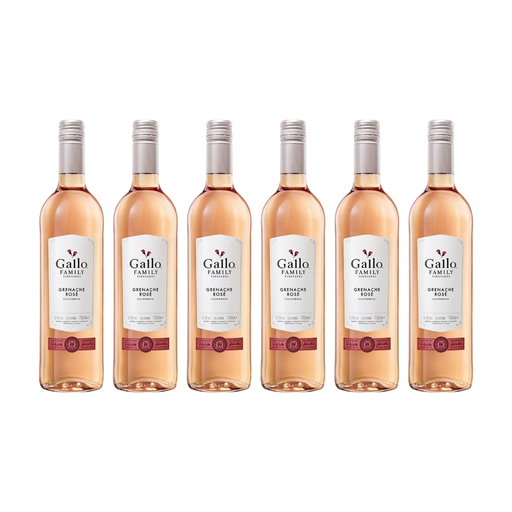
Why this product suits this profile: The six-bottle pack, with 0.75 l per bottle, is aimed at shoppers looking for a medium-sweet, fruit-forward rosé for sociable evenings or celebrations. It has an alcohol content of 10 % vol and a recommended serving temperature of 6–8 °C.
The sweetness is explicitly stated as “Sweet”, or medium-sweet. The number of bottles, volume and serving temperature are also clearly specified.
Grenache, 6 × 0.75 l and suitable food pairing suggestions for poultry, grilled fish, salads and Asian dishes.
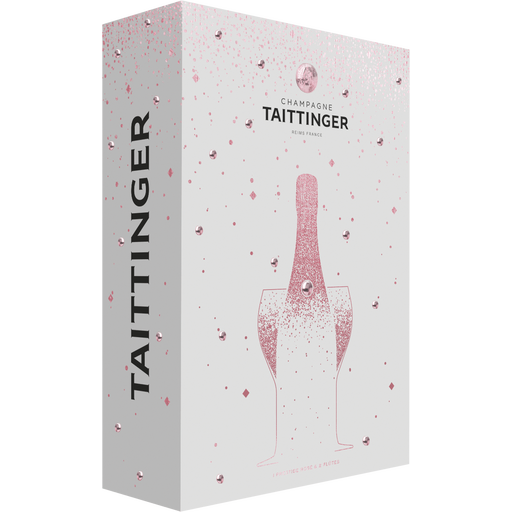
Why this product suits this profile: A single 0.75-l bottle with two original Champagne glasses makes a thoughtful gift or is ideal for a special occasion. The alcohol content is stated as 12.5 % vol.
The product page specifies the bottle size, closure, allergens and serving temperature of 8–10 °C. This means key purchasing details can be checked in advance.
Champagne from Reims, natural cork and a matching glass set; suggested pairings include salmon, salad and dessert.
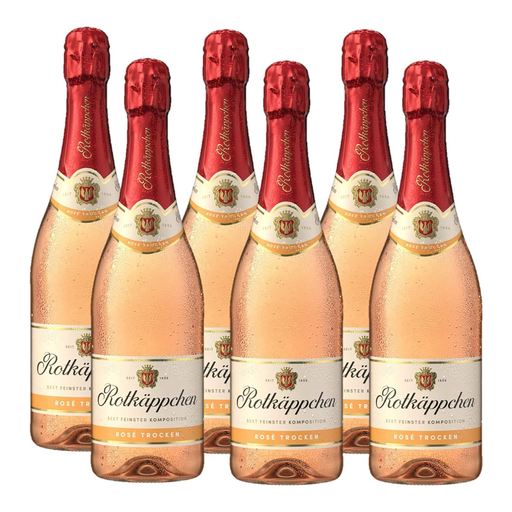
Why this product suits this profile: The dry rosé Sekt in a six-bottle pack is designed for celebrations, aperitifs and larger gatherings. Each bottle contains 0.75 l at 11 % vol.
“Dry” and the nutritional information are clearly stated in the description. The required total volume of 4.5 l is also specified unambiguously.
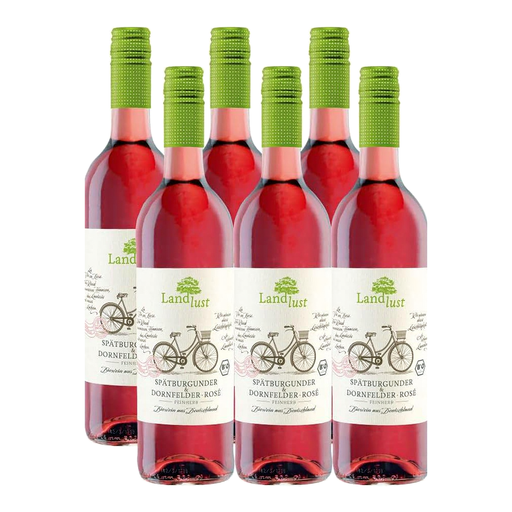
Why this product suits this profile: This German organic rosé from Rheinhessen is labelled vegan and semi-dry. The six-bottle pack is well suited to regular entertaining and meals.
The organic, vegan and origin details are clearly stated. The sweetness is not conveyed through marketing language alone, but is specified as “Semi-Dry”.
Pinot Noir and Dornfelder, 11 % vol, 4.5 l total volume and suitable pairing suggestions for fish, salads, antipasti and poultry.
Still rosé often tastes balanced when served at around 8–12 °C. Lighter or fruit-forward varieties can be served cooler. Rosé Sekt, Prosecco rosé and Cava rosé are usually served at 6–10 °C. The specific manufacturer’s recommendation should take precedence.
Unopened bottles are best stored somewhere cool and dark, away from strong odours. After opening, still wine should be resealed and refrigerated. For sparkling wine, a suitable stopper is recommended; the bottle should ideally be consumed promptly.
For larger gatherings, six-packs with 0.75-l bottles are practical. Dry rosé Sekt works well as an aperitif, while medium-sweet or semi-dry rosé wine may appeal to guests who prefer softer flavour profiles. For receptions where drinks are served individually, 0.2-l bottles are also worth considering.
This depends on the product and how it is stored. Still rosé should be resealed, refrigerated and consumed within a few days. Opened rosé sparkling wine loses its carbonation more quickly; a Sekt stopper can slow this process, but it does not replace consuming the wine promptly.
Rosé Sekt is a sparkling wine produced in accordance with the relevant German or European labelling requirements. Cava rosé comes from Spain and is traditionally made using bottle fermentation. Frizzante rosé generally refers to an Italian semi-sparkling wine with lower carbonation pressure than classic sparkling wine. Origin, sweetness, alcohol content and the information on the product page are also important.