
Lieferung heute & morgen

Qualitätsgarantie

Willkommens-Angebote freischalten: KOSTENLOSE Lieferung | Bis zu 80 % RABATT | Kostenlose 30-Tage-JoyPlus-Testphase
App herunterladen
By a Joybuy Product Recommendation Officer, August 30, 2026
Rosé wine is more than just a drink—it's a feeling of summer, social gatherings, and carefree moments. But when trying to buy the right rosé online, the vast selection can quickly become overwhelming. While many wines look similar at first glance, their tastes can vary significantly. This guide will help you avoid common purchasing mistakes and find the rosé that truly suits your occasion and taste.
Before we dive into the selection criteria, it's helpful to know the most widespread misconceptions that often lead to a poor wine choice.
To find the right rosé, you should focus on three objective characteristics. These will help you make an informed decision that goes beyond the label.
The most important distinction lies in the residual sugar content, which classifies the wine as dry, off-dry, or sweet. These designations are legally regulated and provide a reliable guide:
The region and the grapes used significantly shape the style of the rosé.
Consider what you need the wine for.
Here are some recommendations tailored to different needs, taking the aforementioned selection criteria into account.
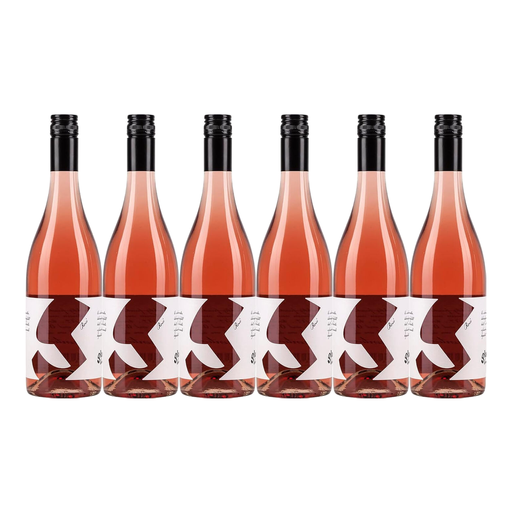
Why This Fits Their Persona: Ideal for anyone looking for an uncomplicated yet characterful wine for barbecues or gatherings with friends. The dry taste and lively fruit make it a versatile companion that will please many guests. The 6-bottle case is also practical and attractively priced.
The clear declaration as a dry rosé prevents confusion. As a rosé wine case, it bypasses the cost trap of single-bottle purchases and offers excellent value for money.
Organic quality (AT-BIO-402) from Austria. A refreshing cuvée of Blaufr?nkisch and St. Laurent, described as an ideal summer wine and aperitif.
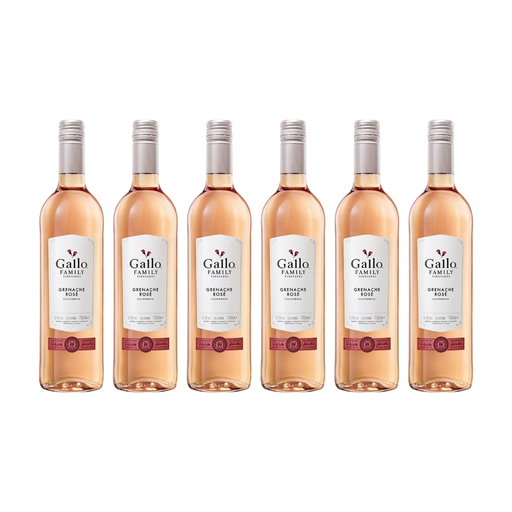
Why This Fits Their Persona: Perfect for wine drinkers who prefer an uncomplicated, distinctly sweet, and fruity rosé. Its smooth taste with aromas of fresh strawberries makes it an approachable wine for casual get-togethers or as a pairing for lightly spiced dishes.
This wine is explicitly labelled as a sweet rosé, delivering on its promise of a sweet taste experience. It avoids the confusion between "fruity" and "sweet."
A Californian rosé made from the Grenache grape, known for its pronounced fruit aromas. The moderate alcohol content of 10% ABV makes it a light-bodied enjoyment.
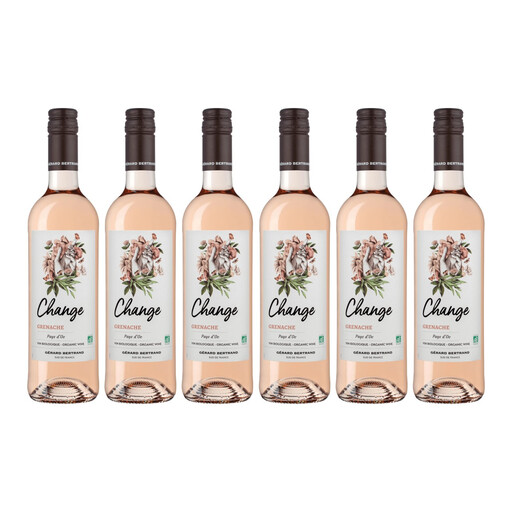
Why This Fits Their Persona: For wine drinkers who value origin, sustainability, and a refined taste. This wine comes from a renowned winemaker known for biodynamic farming and offers an authentic taste experience from the South of France.
This wine avoids the superficial "look" trap by relying on verifiable quality markers: organic certification (FR-BIO-01) and the reputation of a winemaker celebrated for his commitment to sustainability.
An elegant French rosé made from the Grenache grape. Ageing in stainless steel tanks preserves the fresh, fruity notes and ensures a clean, precise taste.
We've compiled a complete, up-to-date list of products that fully meet these strict selection criteria and UK regulations.
1. What is the exact difference between dry and off-dry rosé? The difference lies in the legally defined residual sugar content. A wine declared as dry can have a maximum of 9 g/L of residual sugar (though total acidity plays a role). An off-dry wine has a higher residual sugar content of up to 18 g/L, which gives it a noticeable but not dominant sweetness.
2. How long does an opened bottle of rosé wine last? Once opened, a bottle of rosé wine should be tightly resealed and stored in the refrigerator. This will help it maintain its freshness for about 2 to 3 days. Wines with screw caps are generally easier to preserve than those with corks.
3. What foods pair well with rosé wine? Rosé wine is an extremely versatile food companion. A dry rosé pairs excellently with light salads, grilled fish, seafood, and white meats. An off-dry or sweet rosé harmonizes well with mildly spicy Asian dishes, flavourful cheeses, or fruit-based desserts. It's the ideal wine for a barbecue, as it complements a wide variety of foods.