
Lieferung heute & morgen

Qualitätsgarantie

Willkommens-Angebote freischalten: KOSTENLOSE Lieferung | Bis zu 80 % RABATT | Kostenlose 30-Tage-JoyPlus-Testphase
App herunterladen
The selection of rosé wine can be overwhelming. Shelves are filled with bottles in every imaginable shade of pink, from pale salmon to deep cherry red. However, this diversity often leads to purchasing decisions based on common misconceptions. Many shoppers grab a bottle only to find that the taste doesn't meet their expectations. Before you buy your next rosé, it's important to understand the typical pitfalls.
A common mistake is assuming the wine's colour determines its sweetness. A pale rosé is often automatically classified as dry, while a darker one is presumed to be sweet. This assumption, however, is unreliable. The colour depends on the grape variety and the length of time the juice spends in contact with the grape skins, not necessarily on the residual sugar content. Another pitfall is confusing "fruity" with "sweet." A dry rosé can exhibit intense red berry aromas without tasting sweet. Those unfamiliar with this distinction are often surprised by the dry finish.
To avoid disappointment and find the right wine for you, it helps to focus on objective criteria. Three factors are crucial: style, origin, and occasion.
The most important information on the label is the style, which is determined by the residual sugar content. This classification helps you select a wine that matches your preferences.
The region and the grape varieties used significantly shape a rosé's character. A French rosé from Provence, often made from Grenache and Cinsault grapes, is typically pale, dry, and mineral-driven. In contrast, an Italian rosé made from the Primitivo grape (as in Puglia) can be bolder in both colour and flavour. German rosés, frequently made from Sp?tburgunder (Pinot Noir), also offer a wide spectrum, from dry and elegant to fruity and fresh. Knowing the origin provides a reliable clue to the wine's expected style.
Not all rosé is created equal. The right choice depends on the occasion:
To make your decision easier, we've matched a few products from our collection to different profiles.
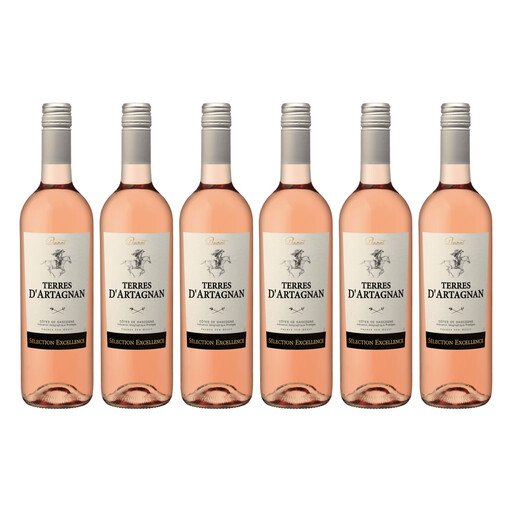
Why it's a great fit: Ideal for social gatherings, barbecues, or when you need a larger quantity of an uncomplicated and refreshing summer wine. The 6-pack offers excellent value for a solid French rosé.
This wine comes from the specific C?tes de Gascogne region and is declared as dry. You're not just buying "any" French rosé, but a wine with a clear profile of origin and taste.
A fresh, fruity, and light rosé that stands out for its easy-drinking nature and is available in a convenient multi-pack.
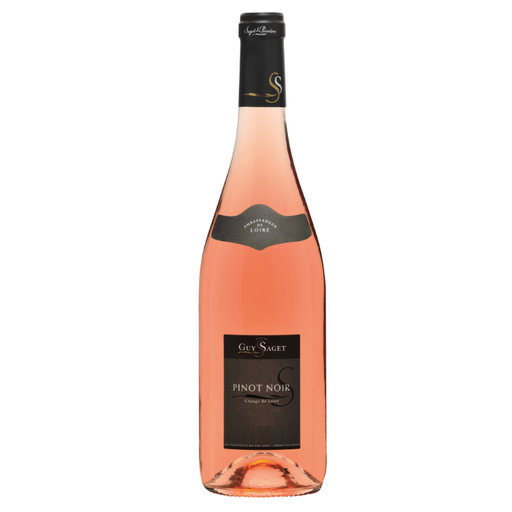
Why it's a great fit: For wine drinkers who appreciate a specific, single-varietal rosé. This Pinot Noir Rosé from the Loire Valley is a prime example of an elegant, crisp, and versatile food wine.
This wine debunks the "fruity equals sweet" misconception. With only 0.4 g/L of residual sugar, it is extremely dry, yet it offers the distinct red fruit aromas, like cherry, that are typical of Pinot Noir.
A very dry and crisp character with a clear varietal identity. Ideal with light dishes, salads, or seafood.
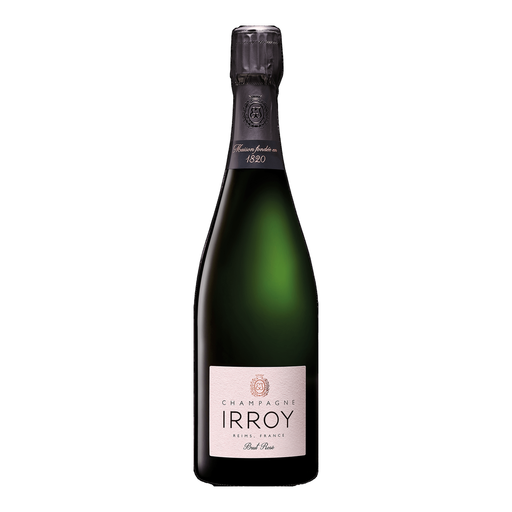
Why it's a great fit: For special moments that call for something extraordinary. This Champagne delivers the elegance and complexity expected from a product associated with a renowned house like Taittinger.
This is not a simple sparkling rosé, but a genuine Rosé Champagne. The protected designation of origin and traditional bottle fermentation guarantee a high standard of quality.
A fine, persistent perlage and an expressive bouquet with notes of red fruits and brioche. The blend of Pinot Noir, Meunier, and Chardonnay ensures elegance and freshness.
Most rosé wines are meant to be enjoyed young and should ideally be consumed within one to two years of the vintage to preserve their freshness and fruitiness. Once opened, the bottle should be resealed, stored in the refrigerator, and finished within two to three days.
The optimal serving temperature for rosé wine is between 8 and 10°C (46-50°F). A wine that is too cold may not fully express its aromas, while one that is too warm will lose its freshness. Lighter, dry rosés can be served slightly cooler, while bolder and off-dry styles can handle a slightly higher temperature.
No, the versatility of rosé wine is often underestimated. While light, dry rosés are a perfect match for salads, fish, and seafood, bolder rosés—such as those made from Sp?tburgunder (Pinot Noir) or Primitivo—can also pair beautifully with grilled meats, poultry, or even spicy Asian cuisine. An off-dry or sweet rosé can also be a great complement to fruit-based desserts or mild cheeses.