
Lieferung heute & morgen

Qualitätsgarantie

Willkommens-Angebote freischalten: KOSTENLOSE Lieferung | Bis zu 80 % RABATT | Kostenlose 30-Tage-JoyPlus-Testphase
App herunterladen
As a Joybuy Product Recommendation Officer, I often see shoppers struggle when choosing a rosé wine. The sheer variety can be overwhelming, and marketing labels often create more confusion than clarity. This guide is designed to help you understand the key criteria for confidently selecting the perfect rosé for your taste and occasion.
Before we dive into the selection criteria, let's clear up two common misconceptions that often lead to a poor choice:
To avoid a bad buy, focus on three objective parameters found on the label. These provide reliable information about the bottle's contents.
The most important information is the official sweetness level. This is determined by the residual sugar content in the wine and is legally regulated.
The grape variety used significantly shapes the wine's aroma and body. While a rosé made from Pinot Noir (Sp?tburgunder) often displays elegant notes of strawberry and cherry, a wine from the Primitivo grape brings intense aromas of dark berries and a more powerful structure. Pay attention to the grape variety to find a wine with an aromatic profile you'll enjoy.
For conscious consumers, seals like the EU organic logo or the "vegan" designation are important guides. An organic rosé wine is grown according to strict ecological guidelines that prohibit synthetic chemical pesticides and fertilisers. Vegan wines are made without the use of animal products (like gelatine or egg whites) in the fining process.
Here are a few recommendations tailored to different needs, which also help you avoid the common pitfalls mentioned.
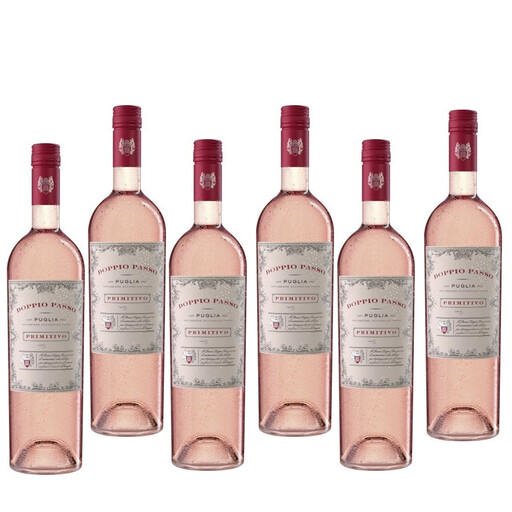
Why it's a great fit: Ideal for parties or barbecues. The off-dry character is an approachable crowd-pleaser that will appeal to many guests. As a rosé wine case, it also offers excellent value for money for larger gatherings.
This wine bypasses the origin fallacy. As a Primitivo Rosé from Puglia, it delivers the expected fruit-forward and full-bodied style typical of the region.
The "off-dry" sweetness level is clearly declared and appeals to a broad audience, making it an effortless summer wine.
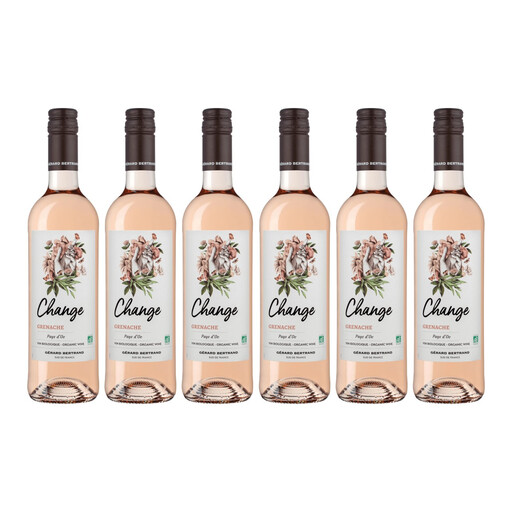
Why it's a great fit: For anyone who values provenance and sustainable production. This organic rosé wine comes from a renowned producer in the South of France, known for his commitment to biodynamic viticulture.
It avoids the trap of a generic rosé. The clear origin (South of France) and grape variety (Grenache) promise a classic, elegant, and dry style that is representative of the region.
The certification as an organic wine (FR-BIO-01) is a verifiable quality mark for consumers who prioritise ecological production methods.
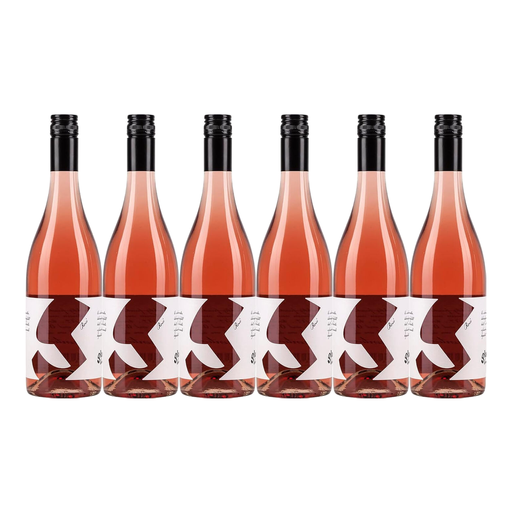
Why it's a great fit: This Austrian quality wine is explicitly labelled as a dry rosé. Its vibrant acidity and fresh fruit notes make it an excellent aperitif or a companion to hearty charcuterie boards.
It debunks the colour fallacy. Despite its appealing rosé hue, its profile is defined by the clear "dry" label and the Blaufr?nkisch and St. Laurent grape varieties—not by its appearance.
The combination of organic certification (AT-BIO-402) and its origin in the renowned Carnuntum wine region signifies a wine with a clear regional identity and a high standard of quality.
We've curated a complete, up-to-date list of products that meet these strict selection criteria and quality standards.
1. What is the exact difference between a dry and a sweet rosé wine? The difference lies in the residual sugar content. A dry rosé has very little sugar, which makes it taste fresh and often crisp with acidity. A sweet rosé has a significantly higher residual sugar content, resulting in a sweet, fruity taste profile. The exact thresholds are legally defined and stated on the label.
2. How long does rosé wine last after opening? Once opened, a bottle of rosé should be tightly sealed and stored in the refrigerator. It will maintain its freshness there for about 3 to 5 days. Lighter, fresher rosés should generally be consumed more quickly than more robust styles.
3. What foods pair well with rosé wine? Rosé is an incredibly versatile food-pairing wine. Dry and mineral-driven rosés, like those often from France, pair wonderfully with light salads, grilled fish, seafood, and white poultry. Fruitier and more robust rosés, such as a Primitivo Rosé, harmonise well with grilled meats, antipasti, or even mildly spicy Asian dishes.