
Lieferung heute & morgen

Qualitätsgarantie

Willkommens-Angebote freischalten: KOSTENLOSE Lieferung | Bis zu 80 % RABATT | Kostenlose 30-Tage-JoyPlus-Testphase
App herunterladen
By the Joybuy Product Recommendation Officer, August 29, 2026
Rosé wine is more than just a warm-weather drink; it's a versatile companion for countless occasions. However, the growing selection on the market can make choosing difficult. Many shoppers rely on superficial characteristics and end up disappointed when the wine doesn't meet their expectations. This guide will help you avoid the common pitfalls of buying rosé and make an informed choice.
The search for the right rosé often fails due to the same misunderstandings. If you know what they are, you can search for the right product more effectively.
To find the right rosé wine, you should focus on the objective criteria listed on the label.
The most important indicator of the flavour profile is the official taste designation, which is defined by the residual sugar content in the wine.
The combination of the growing region and the grape determines the style of the rosé.
For many buyers, additional criteria play a role.
Here are some recommendations tailored to different flavour profiles and occasions.
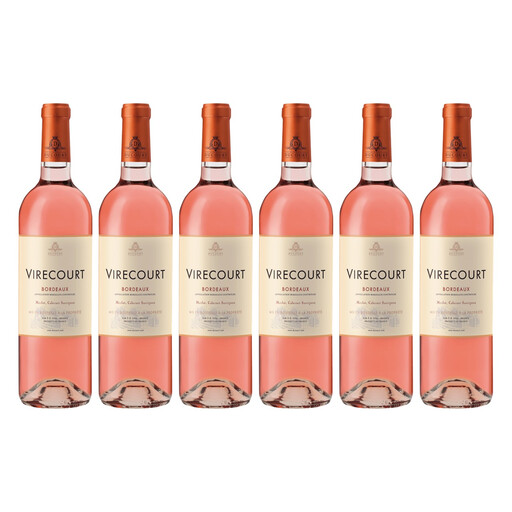
Why it's a great fit: Ideal for anyone who appreciates a traditional, dry rosé from France. Its fresh and elegant character makes it a versatile companion for light dishes or a stylish aperitif.
The Bordeaux A.O.P. (Appellation d'Origine Protégée) designation and its description as a dry wine provide clear information about its quality and flavour profile. This helps you avoid the fallacy of judging sweetness by colour.
Classic, light, and fruity Bordeaux style. The convenient rosé wine case is ideal for stocking up.
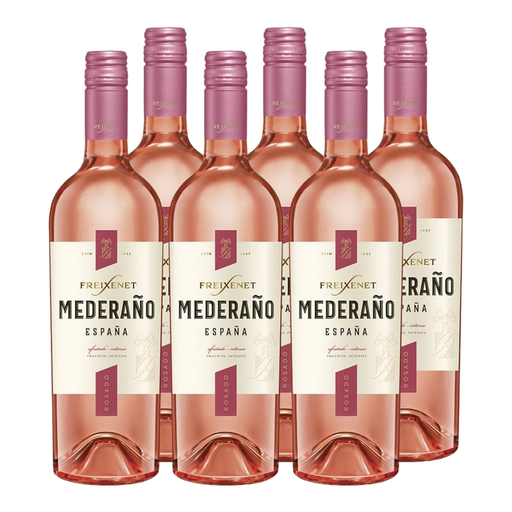
Why it's a great fit: A balanced, off-dry rosé that appeals to a wide range of palates. Its fruity character and light sweetness make it an easy-drinking wine for parties, barbecues, or relaxed get-togethers.
The clear "off-dry" (Semi-Dry) label ensures that buyers get the exact balance of fruit sweetness and freshness they expect, preventing them from accidentally choosing a bone-dry wine.
Aromas of ripe red fruits and a delicate sparkle. An approachable Spanish rosé from a well-known brand.
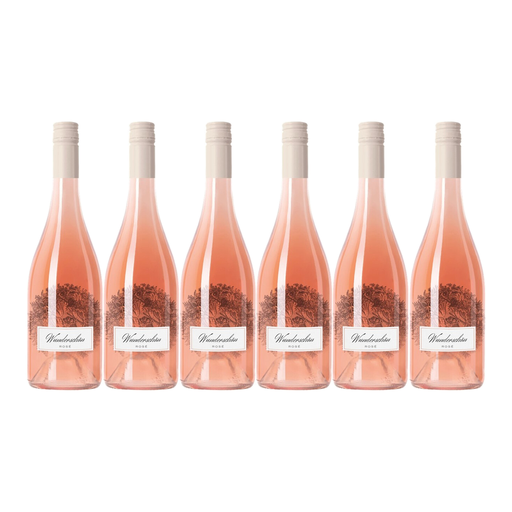
Why it's a great fit: For consumers who value organic cultivation and are looking for a high-quality German wine that stands out from the mainstream. This organic rosé from Rheinhessen offers a complex aromatic profile.
The DE-?KO-039 certification and detailed information on its origin (Roter Hang) and grape varieties (Blaufr?nkisch, Pinot Noir) offer maximum transparency and set it apart from vague marketing promises.
Certified organic cultivation from a renowned VDP winery. A lean, fruity, yet profound wine.
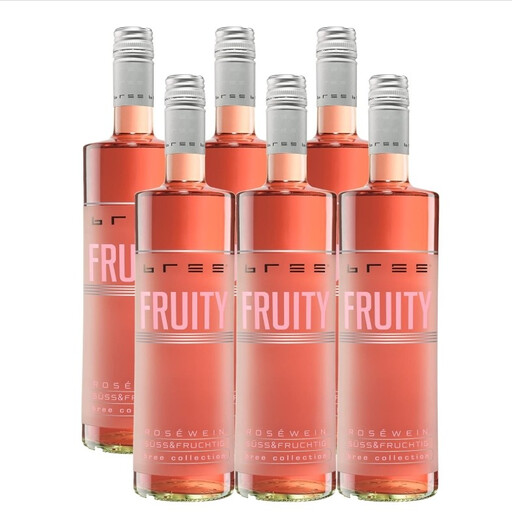
Why it's a great fit: This wine is aimed specifically at those looking for an explicitly sweet and straightforward sweet rosé. It's an ideal wine for starting the evening or for moments when you just want something delicious.
The "Sweet & Fruity" name and description leave no doubt about its sweet flavour profile. This prevents buyers who are expecting a dry wine from getting an unwanted surprise.
Intensely fruity taste with distinct sweetness and a moderate alcohol content of 8.5% ABV.
We've compiled a complete, up-to-date list of products that fully meet these strict selection criteria and all relevant regulations.
The difference lies in the residual sugar content. Dry means the wine has little residual sugar and tastes crisp and fresh (up to 9 g/l). Off-dry has a noticeable residual sweetness that harmonises well with the acidity (up to 18 g/l). Sweet is distinctly sweet and fruit-forward (up to 45 g/l). The choice depends entirely on your personal preference.
An opened bottle of rosé should be kept tightly sealed in the refrigerator. It will maintain its freshness there for about 3 to 5 days. After this time, the wine loses its aroma and can oxidise, which affects the taste. Sparkling wines like sparkling rosé should be consumed on the same day if possible, as the carbonation dissipates quickly.
Rosé is an incredibly versatile food pairing. A dry rosé pairs excellently with light salads, grilled fish, seafood, white poultry, and Mediterranean appetisers. An off-dry rosé harmonises well with mildly spicy Asian dishes or a cheese board. A sweet rosé can be served with fruity desserts or as a contrast to a spicy blue cheese.