
Lieferung heute & morgen

Qualitätsgarantie

Willkommens-Angebote freischalten: KOSTENLOSE Lieferung | Bis zu 80 % RABATT | Kostenlose 30-Tage-JoyPlus-Testphase
App herunterladen
The world of rosé wine can be overwhelming. From pale pink varieties from France to bold, fruity options and sparkling rosé—there seems to be a different style for every taste and occasion. This guide is designed to help you find clarity. Instead of bombarding you with marketing promises, we focus on objective criteria and present a curated selection that covers a range of needs.
As your Joybuy Product Recommendation Officer, my goal is to provide you with practical information so you can make an informed decision the next time you buy rosé wine.
A little basic knowledge goes a long way in finding the right rosé. The following three points will give you some guidance.
A wine's origin is often the first clue to its style. Rosé from France, particularly from Provence or the Languedoc, is known for its pale colour and dry, mineral profile. Grape varieties like Grenache, Syrah, and Cinsault shape the flavour here, with subtle notes of red fruits and herbs. Italian rosé wines, often called "Rosato," can vary by region but are also frequently fruit-forward and fresh. A Prosecco Rosé, for example, combines the typical freshness of the Glera grape with the fruitiness of Pinot Noir.
A dry rosé wine is the most common style. The term "dry" refers to the residual sugar content and doesn't mean the wine lacks fruit flavours. On the contrary, many dry rosés delight with aromas of strawberries, raspberries, or citrus fruits, but they possess a refreshing acidity and a clean finish without any noticeable sweetness. This makes them a versatile summer wine and an excellent food pairing. Off-dry or sweet rosés have a higher residual sugar content and taste distinctly sweeter.
The choice between a still wine, a sparkling wine, or a non-alcoholic version depends entirely on the occasion:
Based on these criteria, we have selected three different rosé varieties for you that cover a wide range of tastes and occasions.
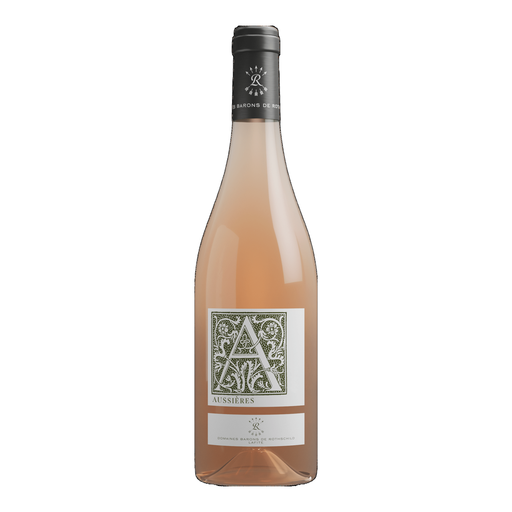
Why we love it: This wine represents the classic style of a rosé from the French Languedoc region. The cuvée of Grenache Noir, Cinsault, and Syrah results in a wine with finesse and a balanced structure. Its pale lychee colour with raspberry reflections is typical of high-quality French rosés.
Highlights:
Who it's for: For lovers of elegant, dry rosé wine in the French style. It pairs excellently with light salads, grilled fish, or simply as a refreshing aperitif on the terrace.
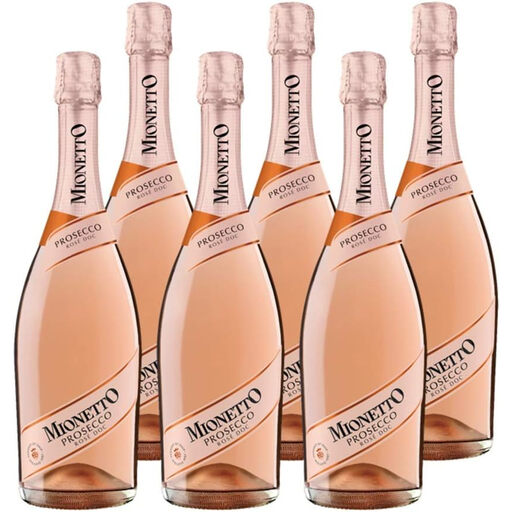
Why we love it: The Mionetto Prosecco Rosé is a vintage sparkling wine (Millesimato) with a protected designation of origin (DOC). It combines the liveliness of the Glera grape with the fruit and structure of Pinot Noir. The 60-day maturation on the lees adds extra complexity.
Highlights:
Who it's for: Perfect for celebrations, as a stylish aperitif, or for anyone seeking a high-quality sparkling rosé with Italian flair. It pairs well with finger foods, seafood, and risotto.
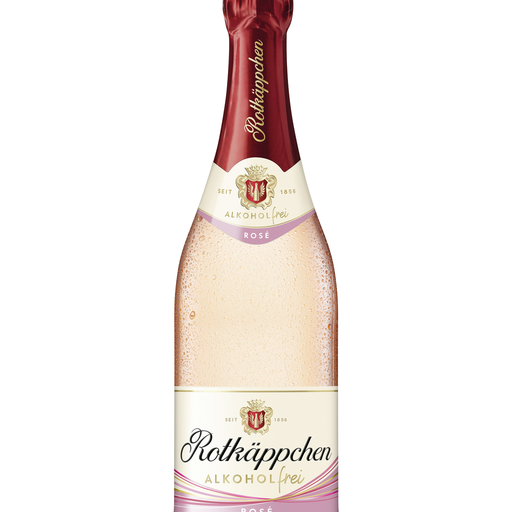
Why we love it: With this variety, Rotk?ppchen offers a compelling alternative for carefree enjoyment. Through a gentle process, the alcohol is removed from selected wines while preserving the fruity aroma. The result is a sparkling beverage that is every bit as good as a real sparkling wine.
Highlights:
Who it's for: This non-alcoholic rosé is the ideal choice for designated drivers, expectant mothers, baby showers, or anyone who consciously chooses to avoid alcohol without missing out on festive moments.
Our selection covers three popular categories, but the world of rosé wine is much larger. If you are looking for a different flavour profile, a specific origin, or another price point, you will find it in our extensive range.
Discover our entire range of rosé wine here
Rosé wine is extremely versatile. Dry, light rosés pair well with salads, seafood, white meats like chicken, and Mediterranean cuisine. Bolder rosés also harmonise with grilled vegetables, light pasta dishes, or even pizza. Sparkling varieties are a classic aperitif.
Most rosé wines are made to be enjoyed young and fresh, ideally within one to three years of the harvest. Once opened, the bottle should be tightly sealed, stored in the refrigerator, and consumed within two to three days to prevent the fresh aromas from fading.
Yes, rosé wine should always be served chilled to highlight its freshness and fruit aromas. The recommended serving temperature is typically between 8°C and 10°C. A sparkling rosé or Prosecco can even be served slightly cooler, at 6°C to 8°C.