
Lieferung heute & morgen

Qualitätsgarantie

Willkommens-Angebote freischalten: KOSTENLOSE Lieferung | Bis zu 80 % RABATT | Kostenlose 30-Tage-JoyPlus-Testphase
App herunterladen
A 6x0,75 l pack of rosé wine contains 4,5 litres in total, making it a good choice for barbecues, birthdays, garden parties, catering or stocking up at home. Buying a six-pack can reduce the price per bottle and make it easier to plan for larger groups. However, not every bulk pack is automatically the right choice.
When comparing larger packs of rosé wine, there are three common pitfalls to watch out for:
Judging the flavour too quickly: The colour rosé tells you little about whether a wine is dry, medium-dry or sweet. Terms such as ‘fruity’ can describe both a dry and a sweet style. Look for specific details such as ‘dry’, ‘medium-dry’, ‘semi-dry’, ‘sweet’ or the residual sugar content.
Confusing sparkling wine with still wine:Sparkling rosé, Prosecco Rosé or Frizzante contains bubbles, giving it a different feel from still rosé wine. If you’re looking for a wine to serve with a relaxed meal, check the product type before buying. A sparkling style may be more practical for a reception or celebration.
Not matching the number of bottles to the occasion: Six bottles of 0,75 litres make 36 glasses when poured in servings of around 125 millilitres. That could be just right for a longer celebration, but too much for a small household. You should also consider where you’ll store the wine: bottles need a cool, dry place that’s protected from light as much as possible.
A dry rosé wine usually has less noticeable sweetness and often goes well with salads, fish, poultry, vegetable dishes and light starters. A medium-dry rosé wine can be versatile thanks to its fruitiness, pairing well with tapas, grilled food and mildly spiced dishes. A sweet rosé wine is better suited to fruity desserts, spicy Asian dishes or guests who prefer a pronounced fruity flavour.
Under German wine law, ‘lieblich’ is defined according to the wine’s residual sugar content. Imported wines may also have English or French terms on the label, so it’s worth checking the full product description.
The alcohol content of the products featured ranges from 7,5 % vol. for Lambrusco dell’Emilia to 12,5 % vol. for selected French rosé wines, for example. A higher alcohol content doesn’t automatically mean a fuller flavour. For an accurate comparison, check the ‘% vol.’ figure on each product.
Depending on the product, the ideal serving temperature is usually between 6 and 12 °C:
Always follow the manufacturer’s specific guidance. Reseal opened bottles, keep them chilled and drink them within a few days.
An Italian rosé wine, French rosé wine, Spanish rosé wine or Portuguese rosé wine may differ in grape varieties, acidity and style. However, origin alone isn’t a reliable measure of quality. Also check the grape variety, alcohol content, flavour description and food-pairing recommendations.
Bottles in the range come with either natural cork or screw caps. Both options are available. If you have an intolerance, it’s important to know that wine often contains sulphur dioxide and sulphites. These must be listed in the ingredients or allergen information.
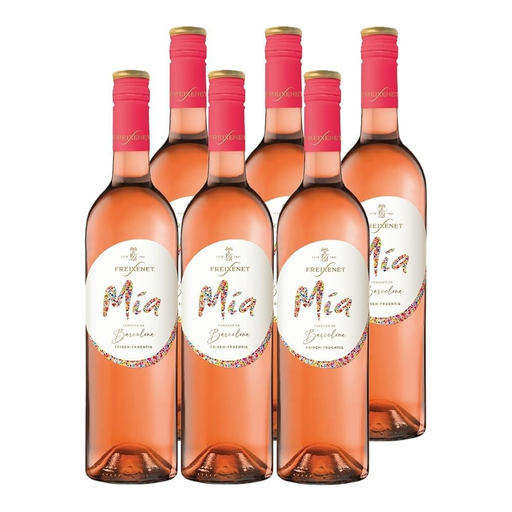
Why it suits this profile: This Spanish rosé wine is medium-dry, contains 12 % vol. alcohol and is recommended for serving at 9–11 °C. Its fruity style pairs well with tapas, poultry, salads and light fish dishes.
The flavour style and serving temperature are clearly stated, so you don’t have to choose based on the packaging or bottle colour alone.
Medium-dry style, 12 % vol. and 6 bottles of 0,75 l each.
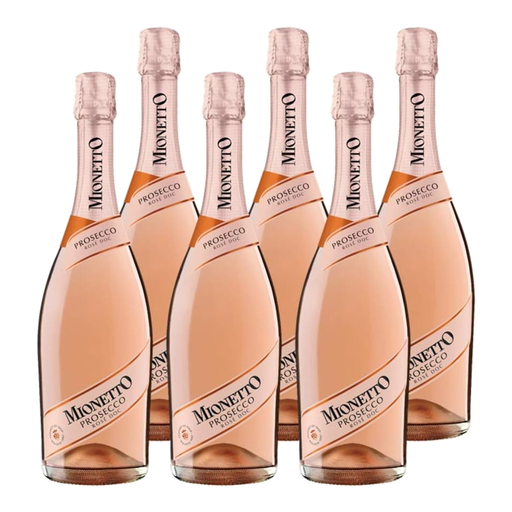
Why it suits this profile: This Italian Prosecco Rosé from Veneto combines 85 % Glera with 15 % Pinot Noir. The product description highlights a fine, persistent fizz, 11 % vol. and a serving temperature of 6–8 °C.
The D.O.C. designation, grape varieties and time spent ageing on the lees are all stated, making it easier to compare with sparkling wines that have less detailed descriptions.
Italian origin, 11 % vol. and a fine, persistent fizz according to the product description.
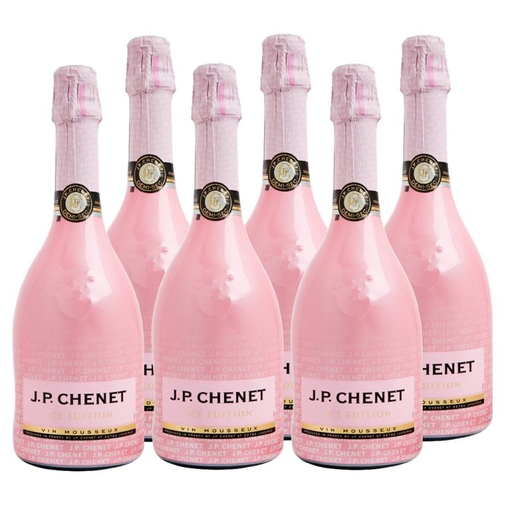
Why it suits this profile: This French alternative to sparkling rosé is medium-dry, contains 11 % vol. and, according to the product description, is best served well chilled over ice. That makes it a good fit for parties and get-togethers.
The ‘medium-dry’ description and suggested pairings with fish, poultry, fruit and creamy desserts give you a clear idea of when to serve it.
6 bottles, 4,5 litres in total and a sparkling style with fine bubbles.
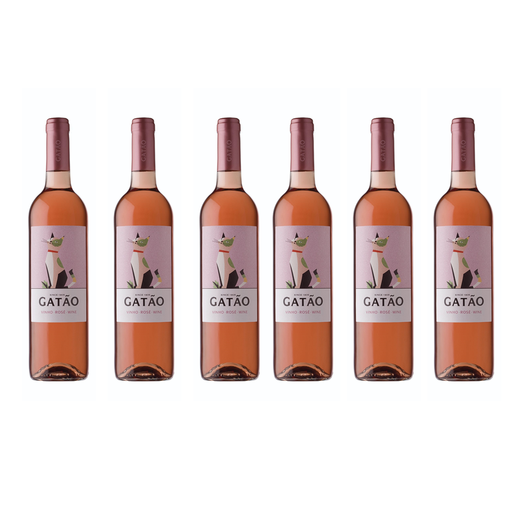
Why it suits this profile: This lightly sparkling rosé wine from Portugal is described as medium-dry and contains around 10–10,5 % vol., according to the product details. It pairs well with vegetables, oysters, asparagus and oily fish.
The alcohol content, serving temperature of 10–12 °C and suggested food pairings are all clearly listed.
Lightly sparkling style, moderate alcohol content and 6 bottles of 0,75 l each.
We’ve put together a complete, regularly updated list of products that meet these strict selection criteria and the safety regulations in force across the EU.
Six bottles contain 4,5 litres in total. At around 125 millilitres per glass, that works out at about 36 glasses. For an event with twelve people, for example, that’s around three glasses per person. How much you’ll need depends on the length of the event, the food and what other drinks are available.
Unopened bottles should be stored in a cool, dry place away from direct sunlight. Avoid exposing them to significant temperature changes. Keep opened bottles in the fridge and finish them within two to three days, as the flavour and freshness may change.
The only way to tell is to compare the price per 0,75-litre bottle or the price per litre. Also compare the flavour style, alcohol content, origin, type of closure and delivery costs. A lower price per bottle isn’t necessarily the right choice if the pack contains far more than you need.
In Germany, alcoholic drinks must not be sold to anyone under the age of 16. If you’re pregnant, you should avoid alcohol. Please drink responsibly.