
Lieferung heute & morgen

Qualitätsgarantie

Willkommens-Angebote freischalten: KOSTENLOSE Lieferung | Bis zu 80 % RABATT | Kostenlose 30-Tage-JoyPlus-Testphase
App herunterladen
Fine lines, dry skin and a tired-looking complexion lead many people to look for an anti-wrinkle face mask. But not every mask suits every skin type or skincare routine. Marketing terms such as ‘lifting’, ‘collagen boost’ or ‘intensive regeneration’ often describe how a product is positioned rather than a lasting, proven effect.
As a Joybuy Product Recommendation Officer, I pick out the most important details from product descriptions and ingredient lists. This makes it easier to tell whether an anti-ageing face mask is mainly designed to hydrate, leave skin feeling comfortably smooth or form part of a regular routine with repeated applications.
Depending on the product, face masks containing collagen may include soluble, hydrolysed or other forms of cosmetic collagen. In a mask, it typically forms part of the skincare formula. Simply seeing ‘collagen’ listed does not mean the product will medically or permanently reduce wrinkles.
So, if you’re looking for a firming face mask, also check for humectants such as glycerin or hyaluronic acid, skin-conditioning lipids and clear directions for use.
Even a mask described as gentle or soothing may contain fragrance, essential oils, plant extracts or preservatives. If you have sensitive skin, it’s important to check the full ingredients list. Test new products on a small area of skin first. Stop using the product if you experience burning, redness or itching.
The recommended wear time can range from a few minutes to 30 or 40 minutes, depending on the texture. As a rule, don’t wear a sheet or hydrogel mask for longer than the stated time. If the material dries out too much, your skin may feel uncomfortably tight. Always follow the instructions on the packaging.
For dry or mature skin, glycerin, Sodium Hyaluronate, hyaluronic acid, trehalose, beta-glucan or ceramides are often useful ingredients to look for. They can complement your skincare routine and help skin feel softer and more supple. A hydrating face mask can be particularly useful if your skin feels tight after cleansing or tends to dry out during the heating season.
Oil-rich cream masks may suit dry skin, while lightweight sheet masks or hydrogel textures often feel less rich. If you have combination skin, applying a mask to specific areas may be a good option.
A Korean face mask or Japanese sheet mask won’t necessarily be right for you just because of where it’s from. Ingredients, material, pack size, shelf life and how well it suits your existing routine are what matter.
A single sheet is useful for trying a product or for occasional use. If you plan to use a mask two or three times a week, sets of five, seven, ten or more are often more practical. Compare the price per use and check whether opened packaging can be resealed.
Active ingredients such as retinol come with additional considerations. Retinol-containing products can increase sensitivity to light; product information may recommend using them in the evening and wearing suitable sun protection during the day. Cosmetic masks are not a substitute for dermatological treatment.
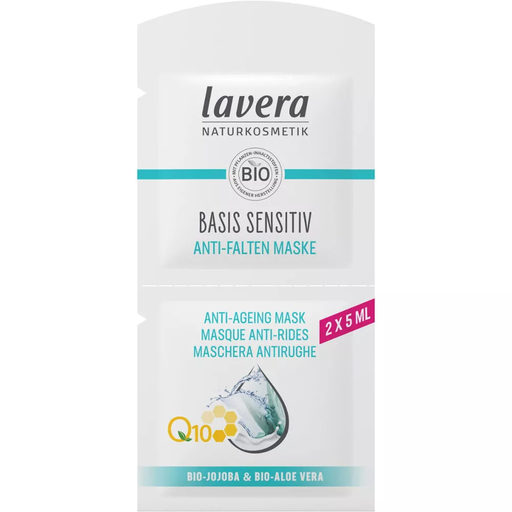
Why this product suits this profile: The pack contains enough for two applications, making it a good choice if you want to try a Q10 cream mask first. The product description lists aloe vera and jojoba oil, and says no added fragrance has been used.
The small pack size reduces the risk of buying a larger quantity of a texture that doesn’t suit you. Check the listed fragrance allergens before use.
Cream texture, Q10, aloe vera juice and jojoba oil according to the product information; two individually portioned applications.
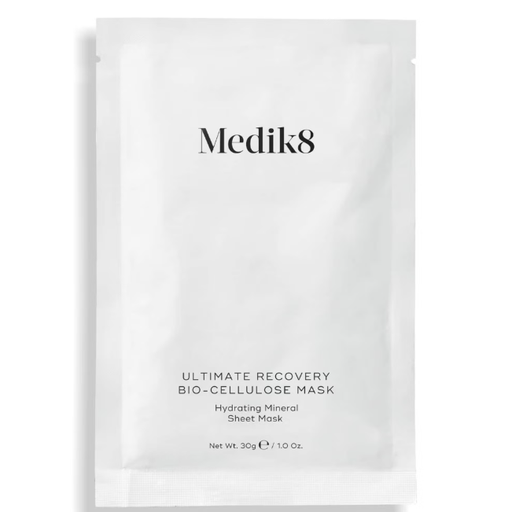
Why this product suits this profile: The pack of six bio-cellulose masks is aimed at shoppers who prefer a close-fitting sheet mask and a clearly stated wear time of 20 to 30 minutes.
The product information lists hyaluronic acid and says the formula is free from alcohol, parabens and artificial fragrance. It also gives clear warnings for irritated skin.
Bio-cellulose material, Sodium Hyaluronate and six individually wrapped applications; described as vegan and free from artificial fragrance.
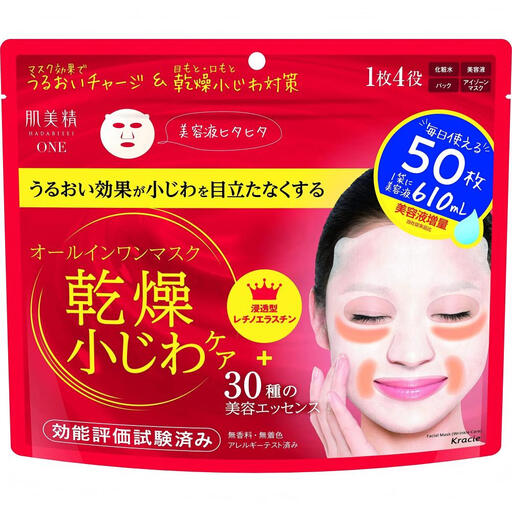
Why this product suits this profile: The large pack of 50 masks is designed for regular use. According to the product description, it contains hyaluronic acid, collagen and plant extracts.
The fixed number of masks makes it easier to work out the cost per use. Before buying, check that you have enough storage space, consider how quickly you’ll use them and read the product information on the packaging.
50 individual masks, recommended for use two or three times a week, with a formula containing hyaluronic acid and collagen according to the supplier’s information.
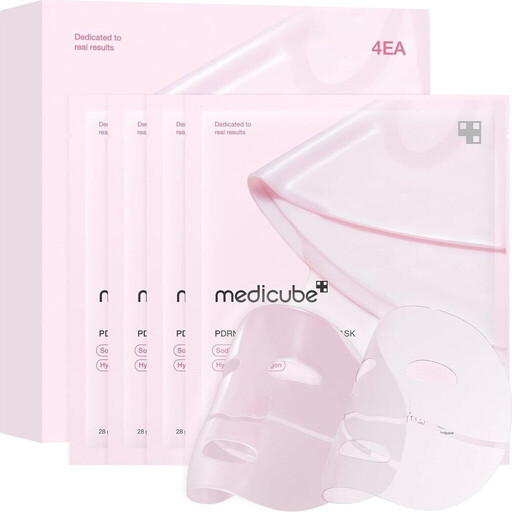
Why this product suits this profile: This hydrogel mask may appeal if you prefer a close-fitting texture and a longer wear time of 30 to 40 minutes.
The four individual applications are easy to keep track of. The INCI list includes glycerin, hydrolysed collagen, Ceramide NP and niacinamide; always check the packaging for the final word on ingredients.
Hydrogel material, four masks per pack and a formula with humectants, collagen and Ceramide NP according to the product information.
We’ve put together a complete, regularly updated list of products that meet these strict selection criteria and the safety regulations in force in the EU.
Don’t apply a cosmetic mask to irritated, broken or inflamed skin. If skin problems persist, seek advice from a dermatologist.
It depends on the texture and the manufacturer’s instructions. Many products are intended for use once to three times a week. Only use a mask daily if this is specifically recommended and your skin tolerates it well.
An unopened mask can be used up to the printed best-before or expiry date, or as directed on the packaging. Use opened single-use packs straight away. For multi-use packs, check the closure, storage instructions and the stated period-after-opening symbol.
The price depends on the material, ingredients, pack size and whether it’s for single or multiple use. Comparing the price per mask is a good way to assess value. Single masks are useful for trying a product, while larger sets can make ongoing costs easier to plan if you use them regularly.