
Lieferung heute & morgen

Qualitätsgarantie

Willkommens-Angebote freischalten: KOSTENLOSE Lieferung | Bis zu 80 % RABATT | Kostenlose 30-Tage-JoyPlus-Testphase
App herunterladen
A 6 x 0.75 l pack of rosé wine contains six bottles, or 4.5 litres in total. It’s a handy format for birthdays, barbecues, weddings, private parties or stocking up. However, a large case can be impractical if the taste, sweetness level or storage conditions don’t suit how you plan to use it.
Before buying rosé wine by the case, it’s worth looking out for three common pitfalls:
These terms can help you narrow down your options:
Always check the product label alongside terms such as ‘dry’. For example, Freixenet Carta Rosé Dry Cava is described as dry, while its stated residual sugar is 17 g/l. Sparkling wine uses different sweetness categories from still wine, so the terms aren’t directly interchangeable.
How you plan to serve the wine is an important consideration for a celebration. Still wine is easy to serve with food. Sparkling wine is often a good choice for an aperitif or a toast, but once opened it needs a suitable stopper to help keep the bubbles for as long as possible.
These terms can help you choose:
A French rosé from Provence or Gascony may have a different style from a Spanish rosé from Catalonia, an Italian rosé from Veneto or a German rosé from Rheinhessen. Origin alone, however, doesn’t guarantee quality. Consider it alongside the grape varieties, taste profile and product details.
Depending on your choice, the products listed contain around 10 to 13 per cent alcohol. Always follow the serving temperature recommended by the manufacturer. Many rosé wines are served at around 6 to 10 °C, although some products are best served slightly warmer. Store unopened bottles somewhere cool and dry, away from direct sunlight.
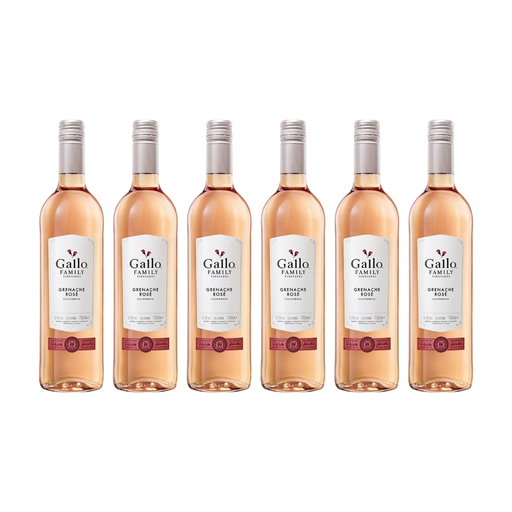
Why it suits this profile: This sweet rosé comes in a case of six and has an alcohol content of 10% vol. With a recommended serving temperature of 6–8 °C, it’s an easy-going choice for informal get-togethers.
The stated ‘sweet’ style makes it easier to know what to expect before buying, so you won’t mistake the pink colour for a sign that the wine is dry.
Grenache is listed as the grape variety, with 4.5 litres in total and a specific serving recommendation of 6–8 °C.
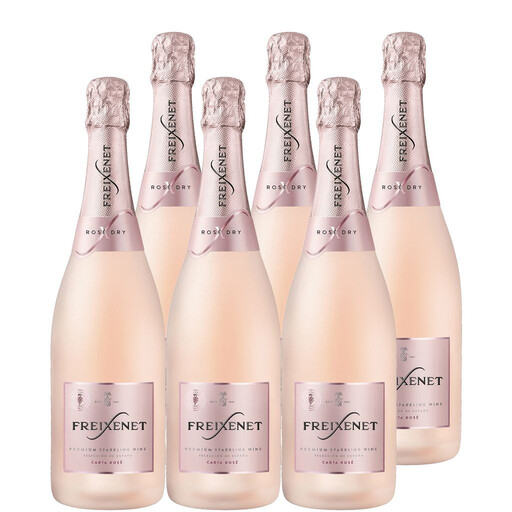
Why it suits this profile: This Spanish rosé Cava is described as a dry sparkling wine made using traditional bottle fermentation. It has an alcohol content of 11.5% vol and a recommended serving temperature of 6–8 °C.
The production method, origin, residual sugar and alcohol content are all clearly stated, giving you more guidance than general terms such as ‘elegant’ or ‘celebratory’.
Spanish origin, a dry style, traditional bottle fermentation and six bottles of 0.75 litres each.
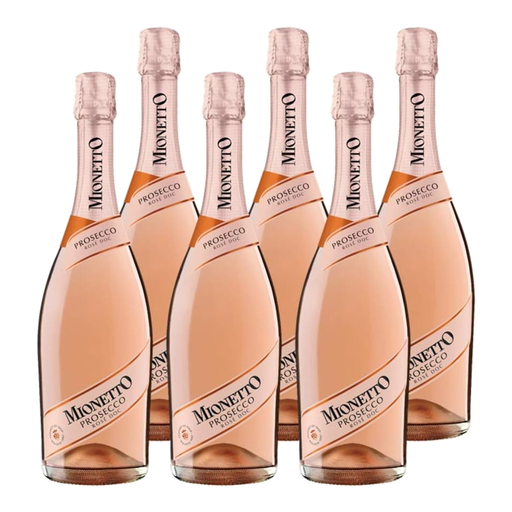
Why it suits this profile: This Italian rosé Prosecco is described as DOC Millesimato Extra Dry, made with 85% Glera and 15% Pinot Noir. According to the product details, it’s a good match for aperitifs, finger food and seafood.
The ‘Extra Dry’ designation is clearly stated, helping you distinguish its taste from that of a wine labelled explicitly dry or a sweeter rosé.
Italian DOC origin, specified grape proportions and a recommended serving temperature of 6–8 °C.
We’ve put together a complete, regularly updated list of products that meet these strict selection criteria and comply fully with the safety regulations in force in the EU.
A case of six contains 4.5 litres. With a serving size of around 0.1 to 0.15 litres per glass, that works out at roughly 30 to 45 glasses. The amount you’ll need depends on whether you’re also serving beer, sparkling wine, water or other drinks.
Once opened, still rosé wine should be sealed again and stored in a cool place. For the best taste, drink it within a few days. A sparkling wine stopper can help keep the bubbles in rosé sparkling wine, rosé Prosecco or rosé Cava for a short time. Always follow the guidance on the product label.
Many products are best served well chilled, between 6 and 10 °C. Sweet rosé can also be served cold, while some medium-dry wines are recommended at a slightly higher temperature. Follow the manufacturer’s recommendation on the product page and bottle. Alcoholic drinks are for adults only and should be enjoyed responsibly.