
Lieferung heute & morgen

Qualitätsgarantie

Willkommens-Angebote freischalten: KOSTENLOSE Lieferung | Bis zu 80 % RABATT | Kostenlose 30-Tage-JoyPlus-Testphase
App herunterladen
For professional users like architects, engineers, and designers, a fineliner is more than just a writing utensil—it's a tool where precision and reliability are paramount. However, the market for high-end writing instruments is saturated with products that overpromise and underdeliver. Many users invest in a supposedly high-quality pen, only to be disappointed by design flaws after a short time. This guide highlights the most common pitfalls and explains which technical features you should look for to make an informed decision.
Before making a purchase, it's crucial to understand the typical problems that can arise with many models, even in the premium price segment:
Understanding these issues is the first step toward finding a pen that meets the demands of professional use.
To avoid the pitfalls mentioned above, you should base your selection on objective technical criteria. Three features are particularly important for a precision fineliner for architects and other technical professions.
A high-quality metal fineliner is distinguished by more than just its appearance. The material and construction of the body are crucial for durability and handling. A body made of solid brass, as used in the rOtring 600 Fineliner, offers optimal weight and balanced distribution. This ensures a controlled writing feel without straining the hand. Another functional detail is a hexagonal barrel. This shape prevents the pen from rolling off an inclined drafting table—a small but important feature in daily work for a durable pen with a metal body.
The tip is the heart of any fineliner. For technical applications, a rigid, metal-encased needle-point tip is essential. Unlike flexible plastic or fibre tips, this design offers several advantages:
This type of tip is characteristic of a professional rOtring drafting pen or a technical drawing ink pen.
For hours of use, an ergonomic and non-slip grip zone is crucial. A knurled (cross-hatched) metal surface provides maximum grip and control, even with damp hands. It allows for precise guidance of the pen without slipping and contributes significantly to comfort.
Based on the criteria above, we have compiled a selection of writing instruments suitable for different user profiles and requirements.
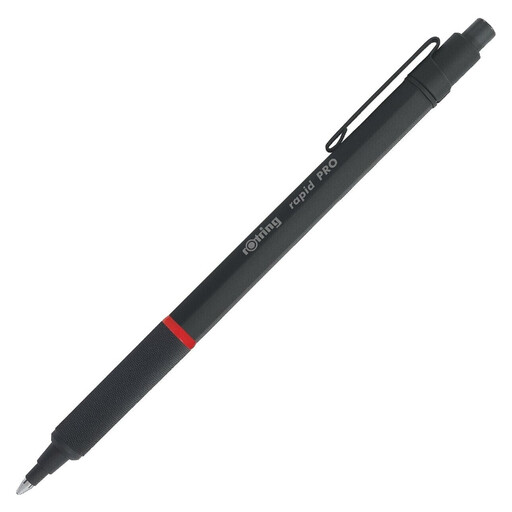
Why it's a match: Ideal for architects, engineers, and technical illustrators who require a tool with maximum precision and reliability. The rOtring 600 0.7 mm is designed for continuous professional use where every detail counts.
The solid brass body ensures ideal weight balance and prevents fatigue. The rigid needle-point tip is extremely durable and won't bend, even when working with rulers.
Full metal body for optimal balance and durability; hexagonal barrel to prevent rolling; rigid needle-point tip for precise work.
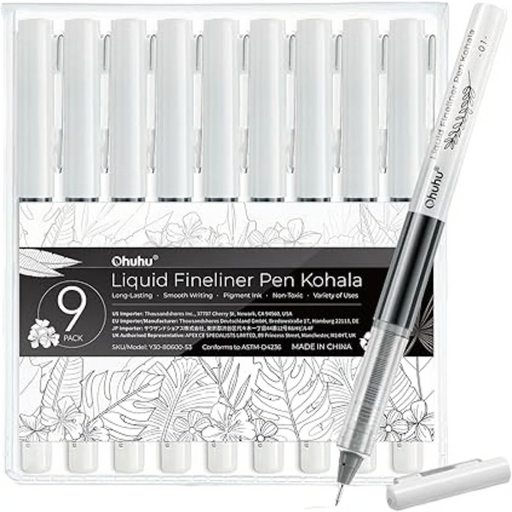
Why it's a match: Perfect for designers, illustrators, and journaling enthusiasts who need a wide range of line widths for various creative tasks. This set offers great flexibility for sketching, lettering, and detail work.
The set solves the problem of fragile, one-size-fits-all tips by providing a selection of 9 specialised and robust tips. The quick-drying, waterproof pigment ink minimises the risk of smudging.
Set with 9 different tip sizes (from 0.15 mm to a brush tip) for maximum flexibility. Water- and alcohol-resistant pigment ink suitable for mixed-media techniques.
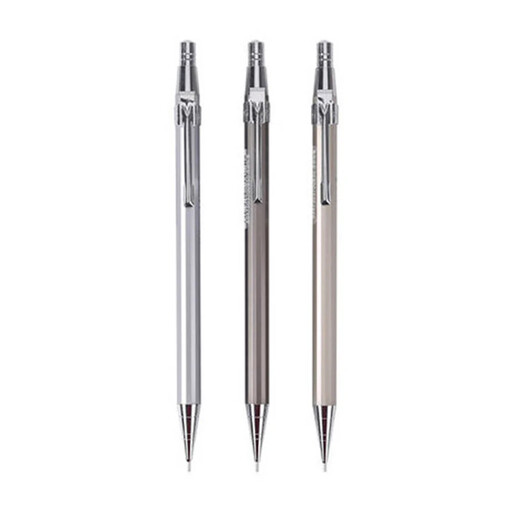
Why it's a match: A great choice for students and hobbyists looking for a durable and precise tool without the budget for a premium fineliner. It offers the feel and precision of a professional drafting tool.
The solid metal body provides good balance, which is often lacking in cheaper plastic pens. As a mechanical pencil, it completely bypasses the problem of damaged fineliner tips and delivers consistently precise 0.5 mm lines.
Solid metal body for a balanced writing feel at an accessible price point. Consistent line width thanks to the 0.5 mm mechanical pencil mechanism.
We have compiled a complete, up-to-date list of products that fully meet these strict selection criteria and German safety regulations.
1. How do you care for a high-quality fineliner like the rOtring 600 to maximise its lifespan? To maintain its functionality, the cap should always be replaced firmly to prevent the ink from drying out. Ideally, store the pen horizontally. If the tip becomes clogged, it can be gently cleaned with a lint-free, slightly damp cloth. Avoid dropping the pen to prevent damage to the fine tip.
2. Is the rOtring 600 Fineliner refillable? Yes, the rOtring 600 Fineliner is designed as a durable writing instrument and can be refilled with the appropriate rOtring refills. This reduces waste and ensures that the high writing quality is maintained over a long period.
3. What is the difference between a fineliner and a technical drawing pen? Although the terms are often used interchangeably, there are technical differences. A classic fineliner usually has a tip encased in plastic or felt for general writing and drawing. A technical drawing ink pen, whose design principles are adopted by the rOtring 600 Fineliner, has a rigid, metal-encased needle-point tip. This is specifically designed for maximum precision and for use with rulers and stencils, delivering an exactly defined, constant line width.