
Lieferung heute & morgen

Qualitätsgarantie
App herunterladen
Kategorien
A round cake pan is an essential tool for preparing cake layers, cheesecakes, and many other baked goods. The choice of the right model depends on specific technical parameters that critically impact the baking results and handling. Key factors include the material, size, type of coating, and fundamental design, such as that of a springform pan. This article analyses the technical features relevant for selecting a functional and durable baking pan.
The decision for a specific round baking pan should be based on an evaluation of objective criteria. The following aspects are important for functionality and the expected baking results.
The material of a cake pan is a primary determinant of its heat conduction, durability, and maintenance requirements.
The most common diameters for round cake pans are 25 cm and 26 cm.
The choice of diameter should primarily be based on the recipes you prefer to bake.
The springform pan is the most popular type of round cake pan. It consists of an adjustable ring and a separate base. This allows for easy removal of the cake without having to invert it, which is particularly advantageous for delicate tortes or cheesecakes.
A crucial quality feature is whether the cake pan is leak-proof. A precisely closing latch and a well-designed base rim prevent thin batter from leaking out of the pan and dirtying the oven.
Based on the technical criteria mentioned, we present three models with different specifications.
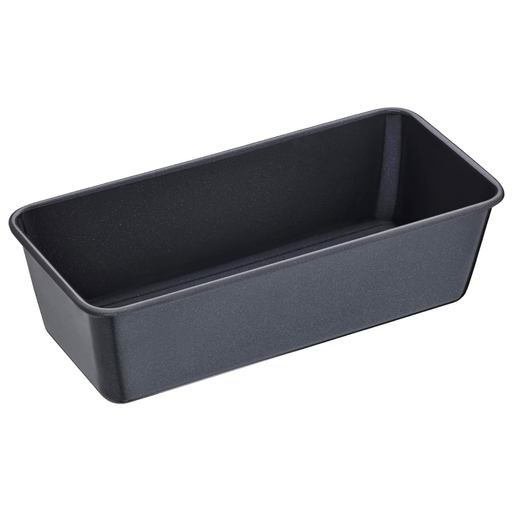
Why we recommend it: This model combines robust material quality with a thoughtful design. The dual-layer ceramic non-stick coating and the leak-proof seal directly address two of the most important requirements for a high-quality springform pan. The enamelled, cut-resistant base enhances its longevity.
Pros:
Who it's for: For baking enthusiasts who value a durable, leak-proof torte pan with excellent non-stick properties and are willing to invest in higher material quality.
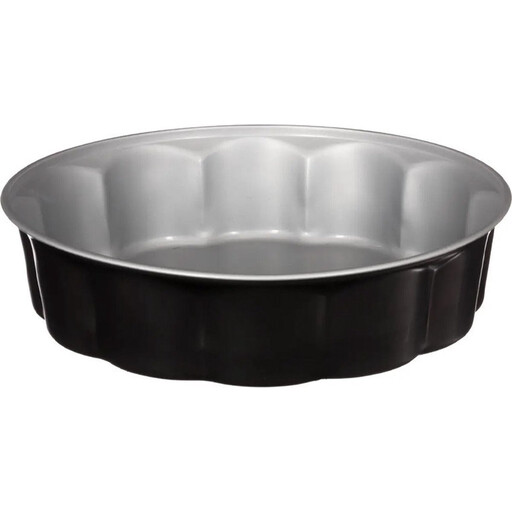
Why we recommend it: This model represents a functional, entry-level option. With a 26 cm diameter, it covers a standard size, and its metal construction with a non-stick coating meets the basic requirements for occasional to regular baking.
Pros:
Who it's for: For baking novices or occasional bakers looking for an affordable and functional 26 cm cake pan for general use.
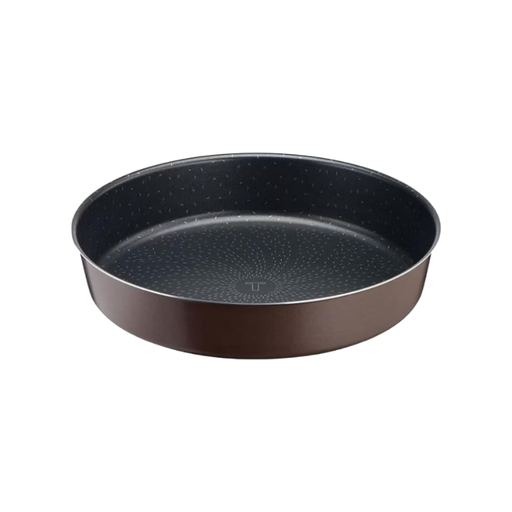
Why we recommend it: The Tefal baking pan stands out for its 100% recycled aluminium material, which promises excellent heat distribution for even baking results. Being dishwasher-safe offers added convenience for cleaning.
Pros:
Who it's for: For eco-conscious bakers who want a pan with excellent heat conduction for perfect baking results and appreciate the convenience of a dishwasher-safe pan.
Besides the classic round cake pan, there is a wide variety of other baking pans for different purposes, from loaf pans for bread to special novelty pans. If you wish to expand your collection, you can find a broad selection of baking tools in our Baking Sheets for Ovens category.
1. What is the difference between a springform pan and a regular cake pan? A springform pan features a removable ring with a latch, which makes it easier to release the cake without having to invert it. A fixed, one-piece round baking pan is more stable and well-suited for thinner batters, but it requires inverting the cake after it has cooled.
2. How do you properly clean a cake pan with a non-stick coating? Pans with a non-stick coating should be cleaned by hand with warm water, a mild dish soap, and a soft sponge. The use of abrasive tools or harsh cleaners should be avoided to prevent damaging the coating. Some models are dishwasher-safe; in this case, follow the manufacturer's instructions.
3. Which material conducts heat best for a cake? Aluminium has one of the best heat conductivities among common baking pan materials. It heats up quickly and very evenly, which leads to consistent baking results without overly browned edges or a raw center. Thin carbon steel also offers good heat conduction.