
Lieferung heute & morgen

Qualitätsgarantie

Willkommens-Angebote freischalten: KOSTENLOSE Lieferung | Bis zu 80 % RABATT | Kostenlose 30-Tage-JoyPlus-Testphase
App herunterladen
A Rubik’s Cube can be a suitable gift, a challenging brain teaser or a compact pastime for journeys. However, models differ considerably in their turning performance, difficulty, materials and safety requirements. If you focus only on bright colours or extravagant product claims, you can quickly end up buying a cube that is unsuitable for the intended user.
A 3x3 Rubik’s Cube is often a good starting point, while a 6x6 Rubik’s Cube or 7x7 Rubik’s Cube requires considerably more practice and longer solving times. For children aged 7 or 8, a large cube puzzle can therefore be too challenging if they have no previous experience with twisty puzzles.
The term “speedcube” does not necessarily mean that a cube is personally suitable for you. It usually indicates a construction designed for fast turning, but on its own says nothing about whether the cube turns smoothly, is stable or is easy for beginners to understand.
Marketing terms such as “fast”, “professional” or “precise” should not be assessed in isolation. More useful information includes:
A Cuboid Puzzle has another distinctive feature: its rectangular shape can change while it is being scrambled. This is a desired part of the challenge, but it can overwhelm beginners.
When buying for children, check the age recommendation on the product page and packaging. Small parts may present a choking hazard. Products containing strong magnets require particular care: if magnets are swallowed or inhaled, they can cause serious injuries. Magnetic cubes should therefore be kept out of the hands of children below the stated age limit and away from younger siblings.
The number of layers is a useful first indication:
In everyday use, a Rubik’s Cube is often used as a general term for classic 3x3 models. When buying, however, the actual product description should be the deciding factor, as the brand, mechanism and features may vary.
A stickerless design does not require applied colour stickers that could peel off. This can be practical with frequent use. For models with textured stickers, such as a carbon-fibre effect, follow the care instructions: a soft, dry cloth is generally more suitable than water or harsh cleaning products.
ABS plastic is used for many cube puzzles. The material name alone is not the deciding factor; it is also important to check whether the cube is sturdily assembled and whether replacement or care information is available.
A cube should turn without excessive force, but it should not fall apart with every movement. With complex models, dust and incorrect care can impair the mechanism. Therefore:
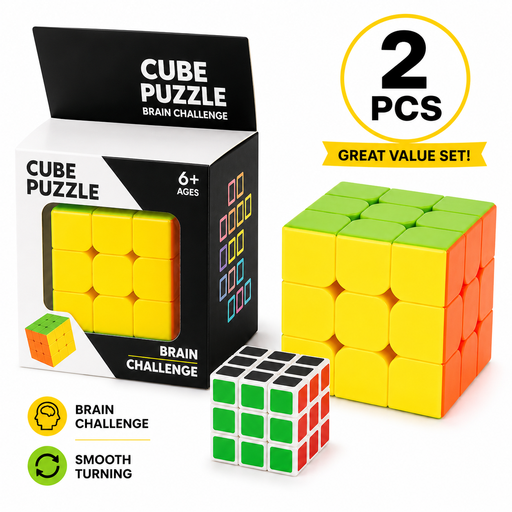
Why this product suits this profile: The set combines a classic cube with a mini version, making it suitable for family time and indoor entertainment.
The 3x3 version is more manageable than a 6x6 or 7x7 model, making it easier to plan an introduction to cube puzzles.
Two-piece set, compact format and, according to the product description, designed for family and indoor playtime.
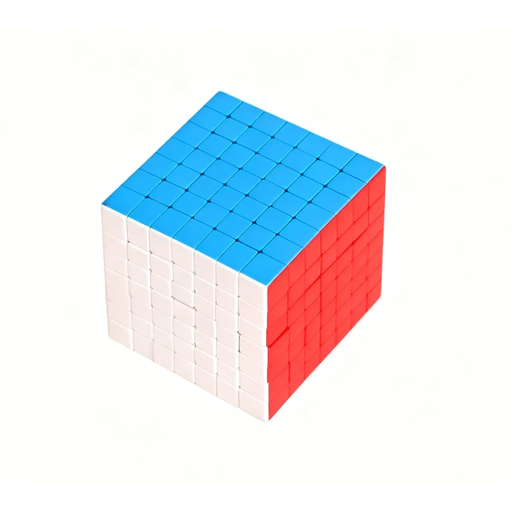
Why this product suits this profile: This model is aimed at experienced cubers looking for multiple layers, a stickerless surface and a demanding solving structure.
The product description specifies dimensions of 7.5 × 7.5 × 7.5 cm, ABS plastic and a stickerless colour design.
Seven layers, colour integrated directly into the plastic and a stated recommended age of 8 years and over.
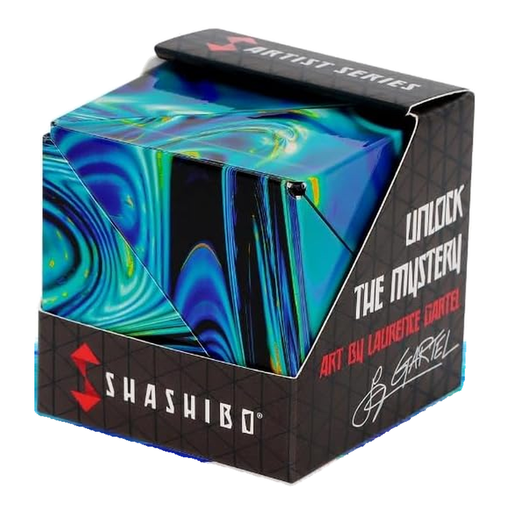
Why this product suits this profile: This magnetic cube is designed for adults and children aged 8 and over. It can be used as a fidget cube, travel activity or creative shape-forming toy.
The product information explicitly states the number of 36 rare-earth magnets, the ABS plastic material and the safety age limit of 8 years and over.
Cube format with 5.84 cm edge length and, according to the description, more than 70 possible geometric shapes, with no batteries required.
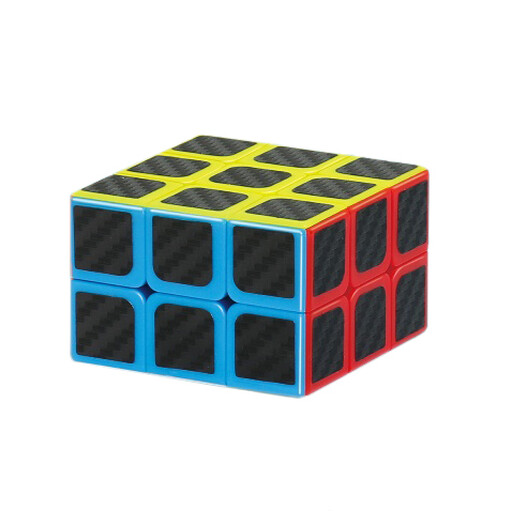
Why this product suits this profile: The altered cuboid shape appeals to collectors and experienced puzzle fans who are already familiar with classic cube puzzles.
The description explicitly highlights the non-cubic shape, the shape change that occurs while scrambling and the target audience of experienced cubers.
ABS construction, rectangular format and textured surface with an additional spatial solving challenge.
We have compiled a complete, regularly updated list of products that fully meet these strict selection criteria and the safety regulations applicable in the EU.
A classic 3x3 Rubik’s Cube is generally easier to get to grips with than a 6x6 or 7x7 model. For children, you should also check the age recommendation, size and any small parts. A simple model with easy-to-follow instructions can make getting started easier.
Its lifespan depends on the materials, mechanism, frequency of use and care. A stickerless ABS surface can prevent colour stickers from peeling off. Dust, drops, moisture and turning with excessive force can affect its performance. For frequent use, dry storage and following the relevant care instructions are recommended.
No. The Shashibo models mentioned do not require batteries. Their shape-changing function is powered by built-in magnets and moving segments. However, because the magnets are strong, follow the manufacturer’s safety instructions: keep the product away from small children, objects that could be swallowed and sensitive electronic devices.