
Lieferung heute & morgen

Qualitätsgarantie

Willkommens-Angebote freischalten: KOSTENLOSE Lieferung | Bis zu 80 % RABATT | Kostenlose 30-Tage-JoyPlus-Testphase
App herunterladen
A rug can transform the look and feel of a room, protect the floor and make everyday life more comfortable. At the same time, unclear product details, unsuitable dimensions or a slipping surface can quickly lead to a disappointing purchase. So if you are looking for a living room rug, bedroom rug or runner rug, do not focus solely on colour and pattern.
A rug can look larger or smaller in product photos than it does in your own home. This is particularly true of round designs, small accent rugs and runners, where the actual coverage can come as a surprise. Before buying, mark out the intended size on the floor with masking tape. This will show you whether doors, drawers and furniture can still be moved easily.
Also check the unit of measurement used. A runner listed as “2 x 4 feet” is approximately 61 x 122 cm, making it more suitable for narrow areas than for a large seating arrangement.
A non-slip rug reduces movement, but it does not replace checking the floor underneath. Dust, moisture, smooth tiles or an uneven surface can all affect grip. If a rug does not have an integrated coating, a suitable rug underlay is advisable. Even with a design featuring an anti-slip backing, you should lay the rug flat and check it regularly.
A deep-pile or shaggy rug feels soft, but it collects more dust and crumbs than a flat-woven design. For households with pets, young children or heavy use, the cleaning instructions are particularly important. Read claims such as “washable rug” carefully: some products can be cleaned in a washing machine, while others are intended only for spot cleaning.
Polypropylene is lightweight and is often used for easy-care rugs. Cotton-polyester blends can combine a softer surface with practical everyday care. A wool rug is made from a natural material and often has a distinctive appearance thanks to its texture; always follow the relevant care instructions.
Pile height affects the look, underfoot feel and cleaning requirements. Flat designs are generally easier to position beneath doors and furniture. Deep pile provides a softer surface, but requires more careful cleaning. For delicate or long fibres, use a suitable vacuum setting and avoid harsh cleaning products unless the manufacturer states otherwise.
Check whether the backing is suitable for your existing floor. On varnished parquet, vinyl or delicate surfaces, an additional underlay can reduce direct contact. For underfloor heating, follow the relevant manufacturer's instructions. A rug should also be completely dry before it is put back down.
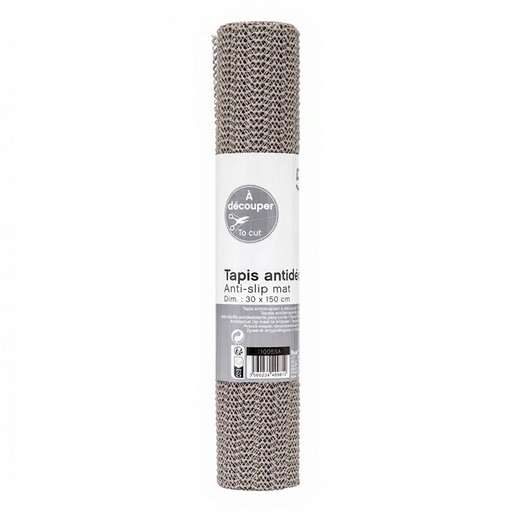
Why this product suits this profile: The narrow size is suitable for hallways, entrances, kitchens or bathrooms when you need a straightforward solution for busy areas.
The low profile of 0.1 cm can make it easier to place beneath doors. The anti-slip backing is designed for smooth, level floors.
PVC foam, grey colouring, 30 x 150 cm and an easy-to-clean surface.
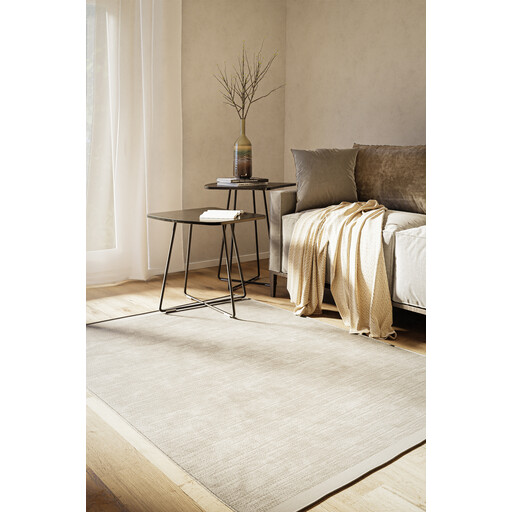
Why this product suits this profile: This handwoven wool rug is aimed at people who value clear material specifications, natural fibres and understated interiors.
The material is clearly listed as “wool”. At 1 cm deep, this design remains comparatively flat and is suitable for smaller living rooms or bedrooms.
100% wool according to the product description, handwoven construction, 90 x 60 cm and a natural colour palette.
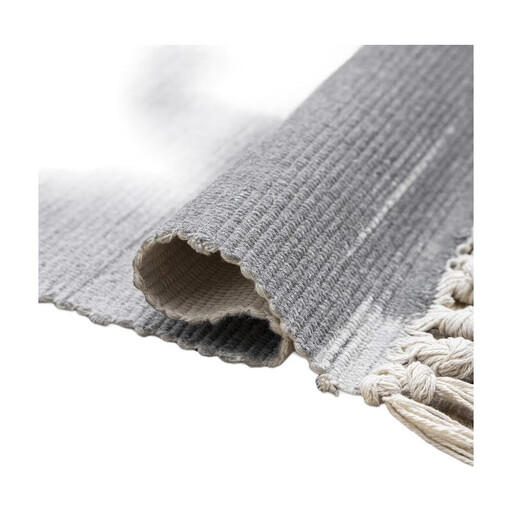
Why this product suits this profile: This compact runner rug fits beside a bed, in a hallway or in a kitchen. It combines a textured boho look with an explicitly machine-washable design.
The care instructions specify machine washing in a laundry bag on a gentle cycle. This makes cleaning more predictable than with a rug that can only be dry-cleaned.
Cotton-polyester blend, deep pile, grey colour, tassels and a 2 x 4-foot format.
We have put together a complete, regularly updated list of products that fully meet these strict selection criteria and the safety regulations applicable in the EU.
A rug's actual lifespan depends on its material, level of use, underlying floor and care routine. The following steps can help extend its useful life:
For a children's rug, you should also check for small loose parts, raised edges and proximity to heat sources. A deep-pile rug can provide a soft play surface, but it is not automatically suitable for every use or for underfloor heating.
The rug should extend beyond the edge of the table so that pulled-out chairs remain on its surface. Measure the area occupied by the chairs when pulled out and allow extra space all the way around.
A clean, dry and level floor is the starting point. On smooth floors, a suitable anti-slip underlay can help. With a non-slip rug featuring an integrated backing, you should also check that the material is compatible with the floor.
This depends on how the rug is used and on your household. Frequently used hallways, entrances and kitchens need regular vacuuming and occasional spot treatment. A washable rug can be washed at longer intervals if approved by the manufacturer; high temperatures, bleach and intensive spinning are not universally suitable.