
Lieferung heute & morgen

Qualitätsgarantie

Willkommens-Angebote freischalten: KOSTENLOSE Lieferung | Bis zu 80 % RABATT | Kostenlose 30-Tage-JoyPlus-Testphase
App herunterladen
A new rug can completely transform the atmosphere of a room. However, the selection is vast, and not every model lives up to its promise. Choosing the wrong material for the space or underestimating the maintenance required often leads to disappointment. This guide will help you identify the key features and make an informed choice that perfectly blends function and aesthetics in your home.
Before you decide on a model, you should be aware of the typical problems that often only become apparent after the purchase.
To avoid the problems mentioned above, you should check three central aspects before buying. These will determine the longevity, functionality, and maintenance of your new rug.
The choice of material is fundamental to a rug's suitability. Each material has specific properties:
Natural Fibres:
Synthetic Fibres:
The pile height affects both the look and the functionality.
For certain applications, additional features are crucial:
Here are some product recommendations tailored to specific user profiles that successfully avoid the common pitfalls.
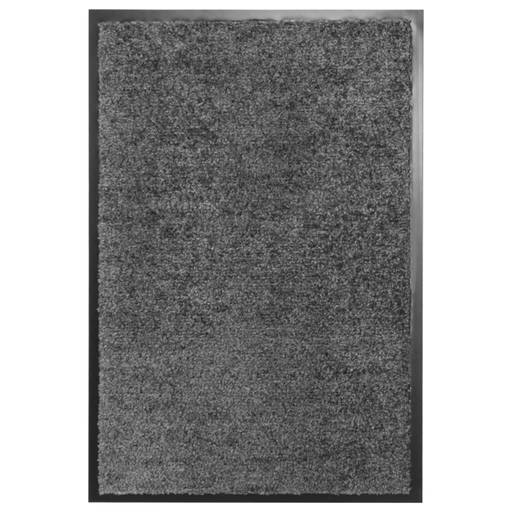
Why This Fits Their Persona: Ideal for the entryway, where functionality and easy cleaning are paramount. This dirt-trapper mat keeps dirt outside and is extremely low-maintenance.
The non-slip PVC backing prevents slipping (solves Pitfall 2). As a machine-washable model made of polyamide, it bypasses the issue of high maintenance (solves Pitfall 3).
High moisture absorption (approx. 2.5 L/m? according to the manufacturer) and a durable polyamide pile.
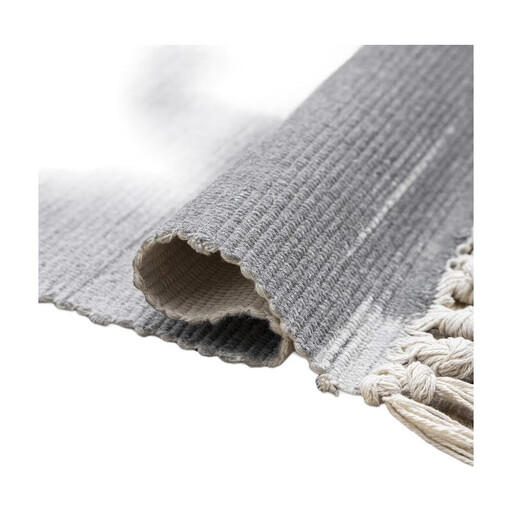
Why This Fits Their Persona: Perfect for anyone looking to add a decorative accent with a boho flair. The tufted texture and tassels make it a focal point in a living room or bedroom.
Although decorative, this cotton-blend rug is machine-washable. This solves the pitfall of high maintenance for stylish rugs (solves Pitfall 3).
Hand-woven tassels for a 3D aesthetic; soft, high pile for a pleasant underfoot feel.
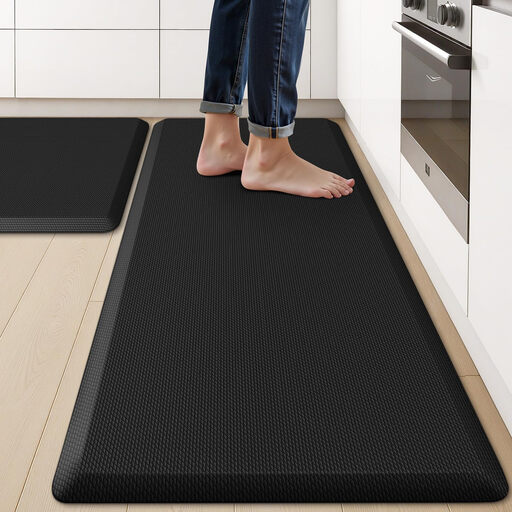
Why This Fits Their Persona: Designed for people who stand for long periods—whether in the kitchen, at a standing desk in the office, or in a workshop. It reduces strain on the legs and back.
This is a speciality mat that specifically solves the problem of using an unsuitable material for a workspace (solves Pitfall 1). Its non-slip underside and bevelled edges minimise the risk of tripping (solves Pitfall 2).
Extra-thick, high-density PVC cushioning; water- and stain-resistant surface for easy cleaning.
We have compiled a complete, up-to-date list of products that fully meet these strict selection criteria and all applicable safety regulations.
Not every rug is suitable for use with underfloor heating. Look for a corresponding seal or a note from the manufacturer. In general, rugs with a textile backing (e.g., jute or felt) and lower density are better suited as they allow heat to pass through easily. Thick high-pile rugs or those with a rubberised backing can trap heat and reduce the efficiency of the heating system.
The safest method is to choose a rug with an integrated non-slip coating. Alternatively, a separate anti-slip underlay can be placed beneath the rug. These pads are available in various sizes and can be cut to fit. They significantly increase safety, especially on smooth floors like laminate, parquet, or tile.
The cleaning frequency depends on the level of foot traffic and the material. A low-pilehallway rug in a high-traffic area should be vacuumed once or twice a week. A high-pile rug in the bedroom can get by with less frequent vacuuming. Stains should always be treated immediately. A professional deep clean is recommended every 12 to 18 months, depending on use, to remove deep-seated dirt.