For buds you can reach, and when you want to travel light, a rugged compact camera with a close-up mode is the easier option. Manufacturers such as OM Digital Solutions and Ricoh quote close-up shooting from 1 cm for certain models. If you want a tiny bud to fill more of the frame, a mirrorless camera with a suitable macro lens may be a better choice – the standard zoom alone may not be enough. The actual magnification, whether you can reach your subject and the extra kit you’ll need all matter. The figures quoted are manufacturer specifications, not results from comparative hands-on tests.
Which option is right for you?
If you want buds to fill more of the frame
If you want to see the structure of a tiny bud clearly, the lens’s actual magnification matters. Nikon quotes 1:1 magnification for the NIKKOR Z MC 50 mm 1:2.8, while Canon specifies up to 1.4x magnification for the separate RF 100mm F2.8 L Macro IS USM.
If you want to travel light
A compact camera with a built-in zoom can be handy for spontaneous shots of buds you can reach, without changing lenses. OM Digital Solutions quotes close-up shooting from as little as 1 cm for the Tough TG-7; this is a minimum focusing distance, not proof of 1:1 magnification.
If you take photos in wet weather
If you’re out in wet conditions, check the protection specifications for the specific camera model. OM Digital Solutions quotes water resistance to 15 m and IP6X dust resistance for the Tough TG-7; Ricoh specifies water resistance to 14 m for up to two hours for the PENTAX WG-90.
What should you look for when buying?
Rugged compact camera with a close-up mode
A good fit if: You want to take spontaneous shots of subjects you can reach, with minimal kit. OM Digital Solutions and Ricoh quote close-up shooting from 1 cm for certain models, as well as protection specifications for the camera body in question.
Bear in mind: A short minimum focusing distance doesn’t tell you how large the bud will appear on the sensor. You’ll also need to be able to reach your subject to shoot at close range.
Mirrorless camera with a macro lens
A good fit if: You want the bud to take up a large part of the frame and are happy to bring a suitable lens. Nikon quotes 1:1 magnification for the NIKKOR Z MC 50 mm 1:2.8; Canon specifies up to 1.4x magnification for the RF 100mm F2.8 L Macro IS USM.
Bear in mind: You may need a macro lens in addition to the camera body and kit zoom. Depth of field and movement become more important in close-up photography, as explained in Canon Academy’s macro photography guide.
| Priority |
What to check before buying |
Who is this important to? |
| Show buds large in the frame |
Lens magnification, a compatible mount and exactly what’s included. |
If I want to show the fine details of a tiny bud, magnification matters more than a short focusing distance. Around 33% of consumers prioritise filling the frame with detail. |
| Take photos in wet conditions |
Protection specifications for the specific camera model and, with interchangeable lenses, separate specifications for the camera and lens. |
When I’m out in damp conditions, I want to know whether the specifications apply to my exact camera setup. Around 20% of consumers put stated weather protection first. |
| Travel light |
Whether the lens is built in or interchangeable, what’s included in the kit and whether you can reach your subject from the path. |
When I want to take spontaneous photos while out and about without carrying much, a fuss-free setup matters. Around 27% of consumers prioritise kit that’s light and easy to carry. |
| Keep shots sharp in shade and wind |
Exposure controls and options for extra lighting or a stable support. |
In low light, with buds moving in the breeze, I want to balance sharpness and shutter speed. Around 20% of consumers focus on dealing with shade and subject movement. |
Common misconceptions
-
A 1 cm focusing distance doesn’t automatically mean 1:1 macro
Focusing distance describes how close the camera or lens can focus. Magnification, on the other hand, describes the size of the subject on the sensor. You’ll also need to be able to reach the bud from the path.
Check the minimum focusing distance and maximum magnification separately, then choose based on how large you want the subject to appear in the frame.
-
A mirrorless camera kit doesn’t automatically include a macro lens
According to Canon, the Canon EOS R50 kit with RF-S 18-45mm offers maximum magnification of 0.16x at 45 mm with autofocus, or 0.26x with manual focus. The separate RF 100mm F2.8 L Macro IS USM is a different lens option.
Check which lens is included and its specifications before choosing a kit for detailed shots of buds.
You may need an additional compatible macro lens for greater magnification. That also means carrying extra kit on your trip.
-
Image stabilisation won’t stop a bud moving in the wind
Close-up photography has a shallow depth of field. Stopping down can increase it, but lets in less light; if the bud moves during the exposure, the image may be blurred.
Assess the light and shutter speed for your subject, regardless of whether the camera has image stabilisation.
-
A lens’s protection doesn’t automatically apply to the whole kit
Canon doesn’t specify dust and splash protection for the RF-S 18-45mm. Canon describes the RF 100mm F2.8 L Macro IS USM as having a dust- and water-resistant construction, but this doesn’t completely prevent dust or water droplets from getting in.
Check the manufacturer’s specifications for both the camera and lens in the specific combination you plan to take with you.
Key brands at a glance
OM SYSTEM
The Tough TG-7 is a rugged compact camera with a built-in zoom and close-up mode, designed by OM Digital Solutions for spontaneous shots on trips.
- OM Digital Solutions quotes close-up shooting from 1 cm, a 25–100 mm equivalent zoom, around 12 megapixels, water resistance to 15 m and IP6X dust resistance.
- The minimum focusing distance isn’t a specification for 1:1 magnification.
PENTAX / Ricoh Imaging
The PENTAX WG-90 combines a rugged compact body with a digital microscope mode, according to Ricoh Imaging.
- Ricoh specifies a minimum shooting distance of 1 cm, six macro LEDs and a 1/2.3-inch, 16-megapixel sensor.
- Ricoh specifies water resistance to 14 m for up to two hours; this doesn’t imply the same protection for other PENTAX models.
Canon
The EOS R50 with RF-S 18-45mm is an interchangeable-lens kit. For greater detail in buds, choosing a compatible macro lens is a separate decision.
- Canon specifies 24.2 megapixels for the EOS R50 body and up to 1.4x magnification for the RF 100mm F2.8 L Macro IS USM.
- At 45 mm, the RF-S 18-45mm offers maximum magnification of 0.16x with autofocus or 0.26x with manual focus. Canon doesn’t specify it as dust- or splash-resistant. The macro lens isn’t included in the kit mentioned.
Nikon
For the Z50II, close-up performance depends on which lens you choose for the Z-mount camera body.
- Nikon specifies 1:1 magnification for the separately available NIKKOR Z MC 50 mm 1:2.8.
- The Z50II standard kit listed includes a 16–50 mm zoom, not the macro lens. The actual maximum magnification of the DX MC 35mm f/1.7 is 1:1.5 according to Nikon; its 1:1 equivalent refers to the full-frame/FX format.
Sony
The FE 90 mm F2.8 Macro G OSS is a macro lens option for compatible Sony E-mount cameras, if you’re happy to use a separate lens and carry extra kit.
- Sony specifies a maximum magnification of 1:1, a minimum focusing distance of 0.28 m and optical stabilisation for this lens.
- The lens weighs 602 g according to Sony. These specifications apply to the lens, not to a comparison of complete cameras.
Camera options at Joybuy
These camera options at Joybuy are suited to photography on the go. For budding leaves, you should also check whether the minimum focusing distance and magnification of the specific model suit your subjects.
 No image available
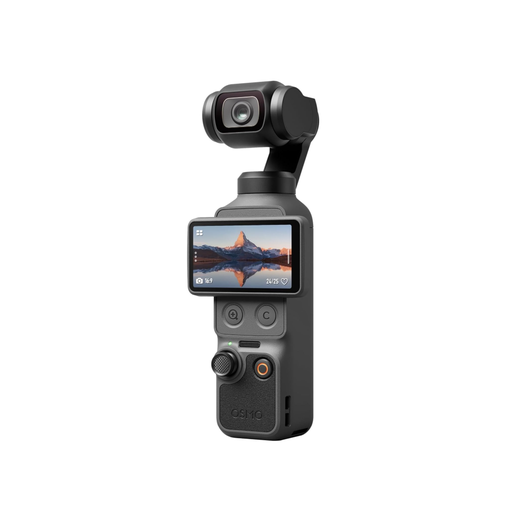
DJI Osmo Pocket 4 Standard Combo
If you’re looking for a camera for photos and videos on the go, check that its minimum focusing distance and magnification are also suitable for capturing details in buds.
The product title lists 1″ CMOS, 4K/240fps, 3-axis stabilisation, 2× lossless zoom, 107 GB of built-in storage and a rotatable 2″ screen.
View at Joybuy
 No image available
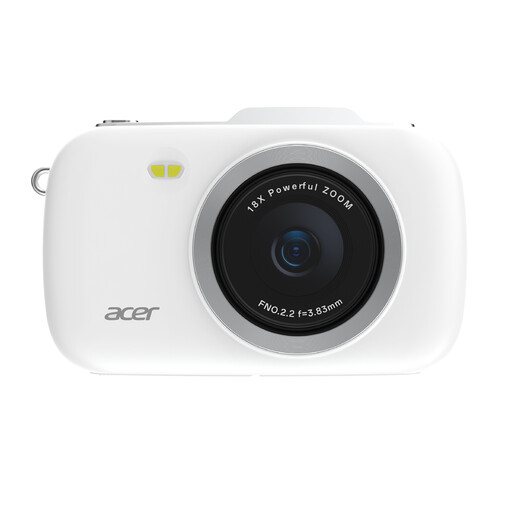
KOMERY G7-A 4K, White
If you’re comparing cameras for taking out and about, check the close-focusing performance and magnification before choosing one for photographing buds.
The product title lists 80MP UHD and 18X zoom; this variant is White.
View at Joybuy
 No image available
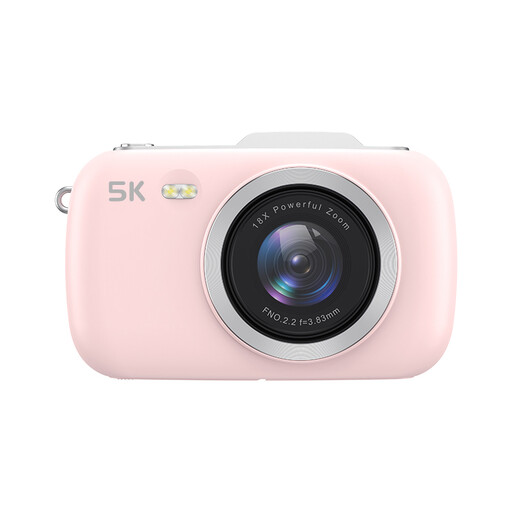
KOMERY G7 5K, Pink
If you’re comparing cameras for taking out and about, check the close-focusing performance and magnification before choosing one for photographing buds.
The product title lists 80MP UHD and 18X zoom; this variant is Pink.
View at Joybuy
 No image available
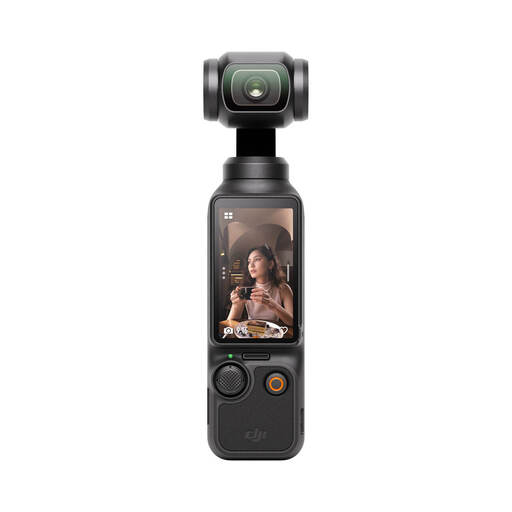
DJI Osmo Pocket 3
For spontaneous shots on trips, check whether this type of camera can focus closely enough for the size of bud you want to photograph.
The product title lists a 1-inch CMOS sensor, 4K/120fps, 3-axis stabilisation and a rotatable 2-inch touchscreen.
View at Joybuy
 No image available
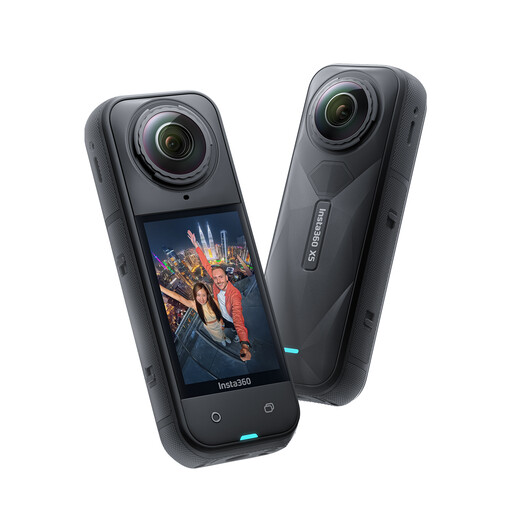
Insta360 X5 Waterproof 8K 360° Action Camera
If you’re comparing action cameras for trips, check whether the close-focusing performance and framing suit the subject when photographing individual buds.
The product title lists 8K and 360°; other features mentioned include a replaceable lens and stabilisation.
View at Joybuy
Frequently asked questions
Are a 1 cm focusing distance and 1:1 macro the same thing?
No. OM Digital Solutions and Ricoh’s specifications for close-up shooting from 1 cm describe a possible shooting distance; 1:1 refers to the size of the subject’s image on the sensor. For detailed shots of buds, check the magnification of the specific lens.
How do I photograph buds in the shade or in a light breeze?
Focus on the part of the bud you want to capture and, if it’s moving, use a sufficiently fast shutter speed. Stopping down can increase depth of field but lets in less light; a tripod limits camera movement, but won’t stop a bud swaying in the wind.
Do I need an additional macro lens for a mirrorless camera?
If you want the bud to appear large in the frame, you may need an additional compatible macro lens. The Canon EOS R50 kit mentioned includes an RF-S 18-45mm; the Nikon Z50II standard kit includes a 16–50 mm zoom. So check what’s included and the magnification of the supplied lens.
Can I leave the path to photograph a bud in a German nature reserve?
There’s no general answer without knowing the specific protected area. Under section 22 of the Federal Nature Conservation Act (BNatSchG), the relevant protection order sets out the rules and restrictions; section 23 covers the protection of nature reserves. The Federal Ministry of Justice provides the statutory provisions. Check the rules for the area and avoid damaging or causing lasting disturbance to any of its features.


