
Lieferung heute & morgen

Qualitätsgarantie

Willkommens-Angebote freischalten: KOSTENLOSE Lieferung | Bis zu 80 % RABATT | Kostenlose 30-Tage-JoyPlus-Testphase
App herunterladen
A reliable light source is indispensable in many situations—whether for DIY projects in dark corners, camping in the great outdoors, or as a precaution for a power outage. However, the market for rugged LED flashlights is filled with marketing promises that often obscure more than they illuminate. Before you make a decision, it's crucial to understand the common pitfalls that can lead to a poor purchase.
As your Joybuy Product Recommendation Officer, I'll help you correctly interpret technical specifications and find a flashlight that meets your actual needs.
The 2 Most Common Pitfalls When Buying a Flashlight:
To make an informed choice, you should focus on verifiable technical parameters. These three factors are crucial for the performance and longevity of a rugged flashlight.
Brightness, measured in lumens (lm), indicates the total amount of light emitted by the source. For most everyday tasks, 100 to 300 lumens are sufficient. An LED work light or an outdoor flashlight for demanding applications should have between 500 and 1500 lumens.
However, more important than the raw lumen value are:
These two codes are the most reliable indicators of a flashlight's resilience.
The choice of power source affects cost, performance, and flexibility.
Here are some models that represent a considered choice for specific user groups based on their objective specifications.
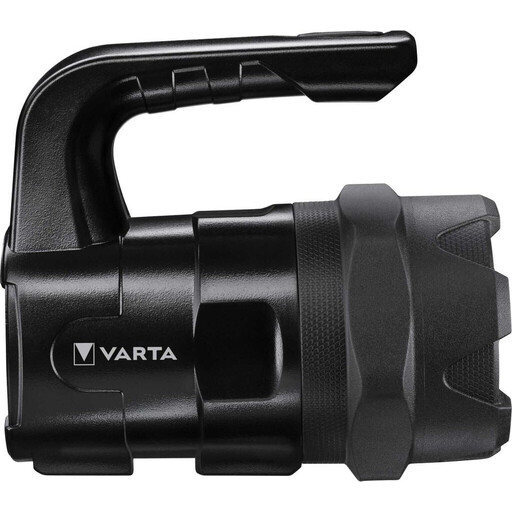
Why it's a good fit: Ideal for tradespeople, security personnel, or as an emergency light for the home. Its lantern shape provides a stable base and wide illumination of the work area.
Instead of vague promises, this model provides verifiable specs: IP67 (dustproof, protected against temporary submersion) and IK08 (shock-resistant against a 4-meter drop, according to the manufacturer).
Exceptional durability and a very long runtime of up to 85 hours on standard AA batteries make it a highly reliable light source in demanding environments.
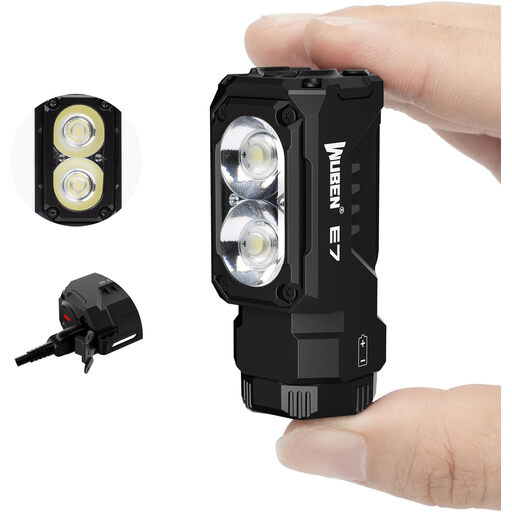
Why it's a good fit: For campers, hikers, and anyone looking for an extremely bright yet compact flashlight. The ability to use it as a headlamp and its magnetic base offer maximum flexibility.
The high lumen count is backed by practical features: IP68 certification (protection against continuous submersion) and a modern USB-C charging port. This shows the performance is designed for real-world use.
A high light output of 1800 lumens in a very compact body. The combination of rechargeability, a magnetic base, and head-strap compatibility makes it extremely versatile.

Why it's a good fit: A straightforward and dependable light for the basement, garage, or glove compartment. It is designed for longevity and ease of use, not extreme performance specs.
This model deliberately avoids the lumen hype. It offers brightness that is perfectly adequate for home use, focusing instead on exceptional runtime and reliability.
The enormous runtime of up to 125 hours on standard D-cell batteries makes it a very economical and low-maintenance choice for occasional use and emergency preparedness.
We have compiled a complete, up-to-date list of products that fully meet these strict selection criteria and rigorous safety standards.
The IP (Ingress Protection) rating is an international standard that indicates a housing's degree of protection against the ingress of foreign objects (first digit) and water (second digit). A flashlight with an IP67 rating is dustproof and can be submerged in 1 meter of water for up to 30 minutes, which is an excellent standard for most outdoor and professional applications.
The required lumen count depends heavily on the intended use:
Both systems have their pros and cons. Rechargeable batteries (usually charged via USB-C) are more environmentally friendly and cheaper in the long run if the flashlight is used frequently. Disposable batteries are ideal for an emergency flashlight because they can be stored for years and are easily replaced during a power outage or on long trips without a power source. The decision depends on your personal usage profile.