
Lieferung heute & morgen

Qualitätsgarantie

Willkommens-Angebote freischalten: KOSTENLOSE Lieferung | Bis zu 80 % RABATT | Kostenlose 30-Tage-JoyPlus-Testphase
App herunterladen
Rugs for living rooms and bedrooms can transform the look of a space, add comfort underfoot and help define different areas. Choosing one may seem straightforward at first: colour, size and material all shape the initial impression. In practice, however, a few common buying mistakes can lead to unnecessary costs or leave you with a rug that doesn’t suit the room or your everyday needs.
A rug shouldn’t simply be chosen to fit into an empty corner. In the living room, consider whether at least the front feet of your furniture can sit on the rug, or whether you’re deliberately choosing a smaller accent piece. For a double bed, a bedroom rug should extend far enough beyond the sides to provide a comfortable place to step when you get up.
Before buying, use masking tape or sheets of newspaper to mark out the area you have in mind. Remember to account for doors, radiators, wardrobe doors and walkways too.
Descriptions such as ‘natural’, ‘easy-care’ or ‘particularly durable’ are of limited use without specific details. So check:
An easy-care rug isn’t automatically suitable for every level of use. A delicate pile may get more wear in a children’s room or hallway than in a bedroom.
A handwoven rug may have a distinctive character thanks to the way it’s made, its material and any slight irregularities. That doesn’t automatically mean it will last for a certain length of time or meet certified sustainability standards. If you’re looking for a sustainable rug, check for clear information about its materials, origin, recyclability and care.
A rectangular rug works well in many room layouts. Larger sizes suit seating areas, while compact designs can create a decorative zone in front of a bed, armchair or chest of drawers. An 80 cm-wide runner is a good option for long hallways, beside a bed or in narrow connecting spaces. Before buying, measure the width of the walkway and allow enough space around walls and furniture.
Typical uses:
Polyester can provide a soft surface and is available in a range of colours and patterns. If a rug has a felt backing, check whether you’ll also need an anti-slip underlay for your type of flooring.
Jute has a distinctive natural-fibre texture and works well with Scandinavian, rustic and modern interiors. It may feel firmer underfoot than a fluffy faux-fur rug. For busy areas, ease of cleaning matters just as much as appearance.
Check the specific product description when considering a cotton rug. A reversible design can offer more flexibility. Handwoven styles may also have slight variations in texture and pattern as a result of the way they’re made.
Follow the manufacturer’s care instructions, and don’t try machine-washing a rug if the product details specifically say not to. Treat spills as soon as possible with a suitable mild cleaning product and a damp cloth. Let the rug dry completely afterwards to prevent moisture lingering in the material.
For hard floors, it’s also worth checking:
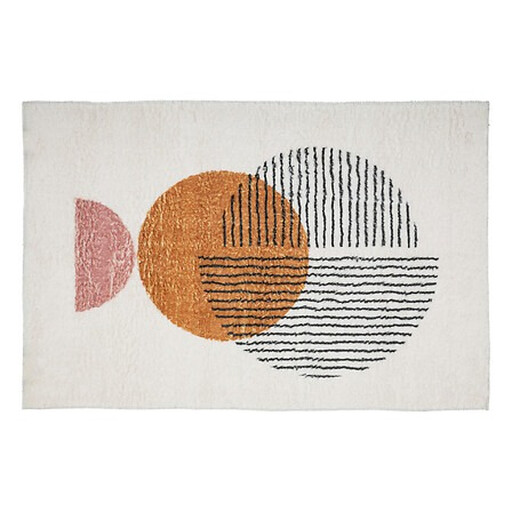
Why this product suits this buyer: The compact 90 × 60 cm size makes it a decorative accent beside the bed, in front of an armchair or in a children’s room. The surface is made from polyester, with a felt backing.
The clearly stated dimensions and weight of 0.72 kg make it easier to plan where it will go. The care instructions specify spot cleaning; machine-washing and tumble-drying aren’t recommended.
Soft faux-fur surface, light weight and a choice of colours and patterns according to the product details.
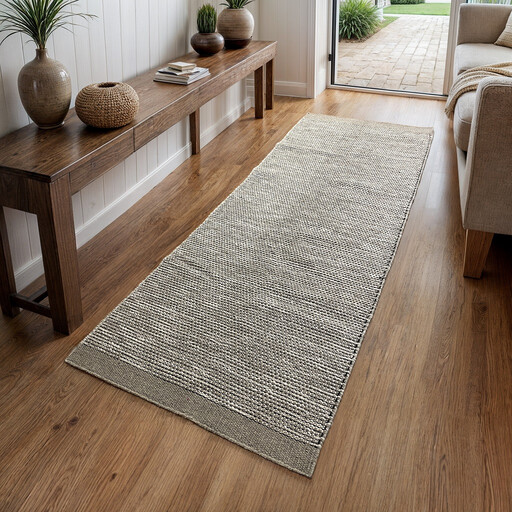
Why this product suits this buyer: At 200 × 80 cm, this rug is a good fit for narrow spaces, such as beside a bed or in a long hallway. The product details describe it as reversible and give its height as 1 cm.
Read the material information carefully: despite being described as a handwoven wool rug, the product details list upcycled cotton. This lets you assess the marketing description separately from the technical information.
Reversible design, a handwoven look according to the description, and a suitably flat size for walkways.
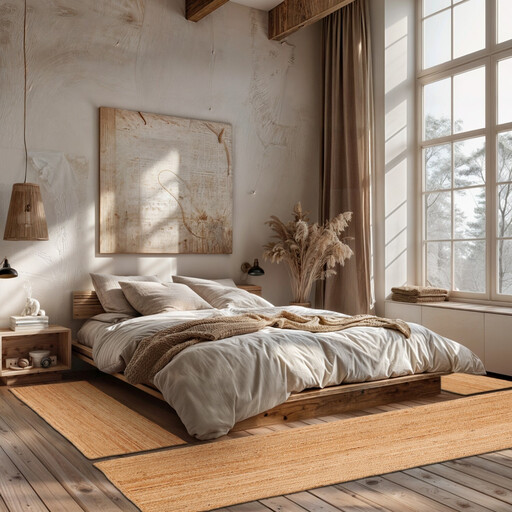
Why this product suits this buyer: Measuring 350 × 80 cm, this jute rug is designed as a long runner for a hallway, entrance or side area of a living room.
The stated width, length and material make it easier to choose the right size. Before buying, consider whether the texture of jute and the recommended cleaning method suit your needs.
Handwoven jute according to the description, a height of 1 cm and a long runner size for narrow, busy walkways.
We’ve put together a complete, regularly updated list of products that meet these strict selection criteria and fully comply with the safety regulations in force in the EU.
It depends on the width of your bed, the size of the room and how you plan to use the rug. An 80 cm-wide runner can sit alongside the bed. Position a larger rug so your feet land on it when you get up, while still allowing doors to open freely.
A rug’s lifespan depends on its material, weave, how it’s used, exposure to sunlight and how well it’s cared for. In busy areas, flat, hard-wearing surfaces are often more practical than a deep pile. Regular vacuuming, avoiding prolonged exposure to moisture and using a suitable underlay can all help keep it practical for everyday use.
Ongoing costs usually include vacuuming and, where needed, cleaning products. Some materials may also require professional cleaning. Before buying, check whether the rug can only be spot-cleaned or needs more extensive care.