
Lieferung heute & morgen

Qualitätsgarantie

Willkommens-Angebote freischalten: KOSTENLOSE Lieferung | Bis zu 80 % RABATT | Kostenlose 30-Tage-JoyPlus-Testphase
App herunterladen
A runner rug can enhance a room both functionally and aesthetically. However, the selection is vast, and not every product delivers on its promise. The wrong runner can quickly become a tripping hazard, warp unattractively after a short time, or prove to be extremely high-maintenance. This guide highlights the criteria that truly matter and how to avoid common purchasing pitfalls.
Many buyers focus primarily on design, overlooking crucial functional aspects. This often leads to three common problems:
To avoid a bad purchase, you should base your decision on objective criteria. The following three points are of central importance.
The material is the main factor determining your runner's durability, feel, and maintenance needs.
Define the exact purpose of the runner. A narrow hallway runner protects the floor and guides the way, while a kitchen runner must be above all practical and safe. For a child's room rug, soft materials and a non-slip backing are paramount to create a safe and cosy play environment.
Measure the intended area precisely. A runner should neither look too small nor block a walkway. A common and versatile size is a runner 80 cm wide, which fits most hallways and kitchens. Be sure to look for an integrated non-slip backing or plan to purchase a separate anti-slip mat, especially for smooth flooring. Bevelled edges further reduce the risk of tripping.
Here are some product recommendations tailored to specific user profiles and the criteria mentioned above.
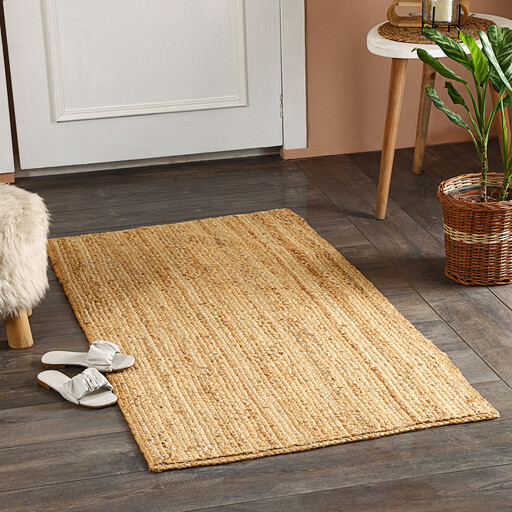
Why This Fits Their Persona: Ideal for those who value natural materials and a timeless design. It perfectly complements a natural living aesthetic, bringing a warm, earthy atmosphere to a hallway or living area.
The 100% jute material is naturally robust and holds its shape. This avoids the issue of quickly worn-out synthetic fibres and provides sufficient weight to lie flat.
Durability from hard-wearing natural fibre; sustainable material; timeless, minimalist design.
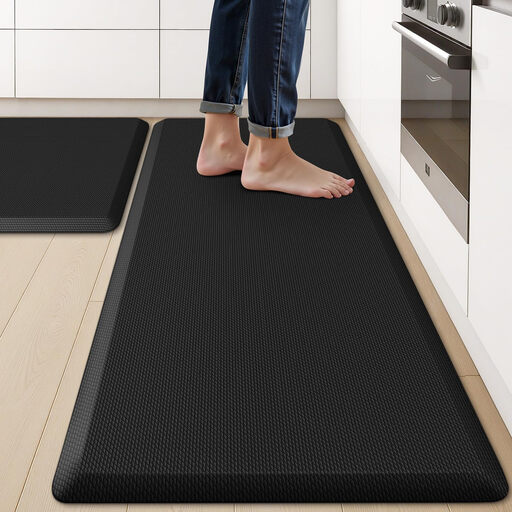
Why This Fits Their Persona: Perfect for people who spend a lot of time standing in the kitchen, workshop, or at a standing desk. The focus here is clearly on ergonomics and support rather than pure decoration.
This mat solves the problem of using an unsuitable material: instead of a purely decorative runner, it offers a functional, pressure-relieving surface. Its waterproof and stain-resistant nature makes it ideal for the kitchen.
Ergonomic support from high-density PVC foam; non-slip backing and bevelled edges for safety; very easy to clean.
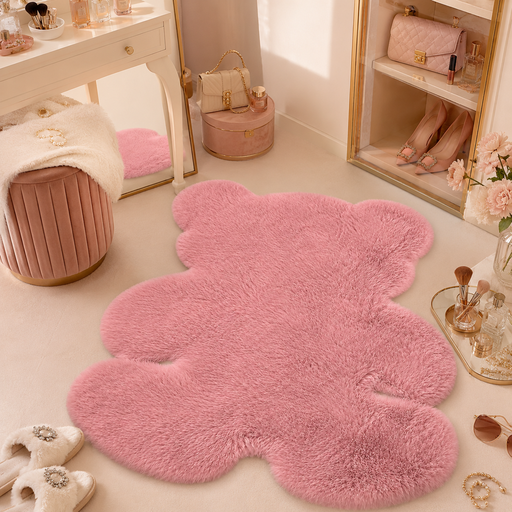
Why This Fits Their Persona: A charming and functional addition to a child's room or play area. The soft surface is inviting for playtime, while the design creates a kid-friendly atmosphere.
This product directly addresses the safety risk: its sturdy, non-slip backing prevents it from sliding on smooth floors, minimising the risk of falls during playtime.
Very soft, rabbit fur-like surface; playful design; enhanced safety with a non-slip back.
We have compiled a complete, up-to-date list of products that meet these strict selection criteria and safety requirements.
Jute is a natural fibre and should not be saturated with water. Light dirt can usually be removed by vacuuming or gently shaking the rug out. For stains, it is best to blot them immediately with a slightly damp cloth and a mild soap solution. Avoid vigorous rubbing so as not to damage the fibres.
A hallway runner should leave some space on both sides and at the ends from the wall or doors, typically about 15-20 cm. This frames the flooring and makes the runner look harmoniously integrated. Measure the length and width of your hallway and subtract these distances to determine the appropriate dimensions.
Yes, for people who spend a lot of time standing while cooking or prepping, an anti-fatigue mat can provide a significant increase in comfort. It encourages minimal, unconscious movements of the leg muscles, which stimulates circulation and can reduce pressure on the feet, knees, and lower back.