
Lieferung heute & morgen

Qualitätsgarantie

Willkommens-Angebote freischalten: KOSTENLOSE Lieferung | Bis zu 80 % RABATT | Kostenlose 30-Tage-JoyPlus-Testphase
App herunterladen
For anyone who wants to keep their hands free while running, hiking, or going about their day, a running belt is a popular choice. The concept is simple: securely store your smartphone, keys, and other small items without them getting in the way. However, the market is flooded with models that often fail to live up to their promises in practice. The wrong purchase not only leads to frustration but can also cause costly damage to your smartphone. Before you make a decision, it's essential to understand the typical weaknesses.
The three most common problems with low-quality running belts are:
A considered selection based on objective criteria will protect you from these disappointments.
To avoid a bad purchase, it's wise to focus on the functional features that make a difference in daily use. Marketing terms can be misleading; the material and design specifications are what truly count.
The most important quality of a good sports waist pack is a stable, close-to-body fit. A belt that bounces up and down with movement is useless.
A well-designed interior organisation protects your valuables. A phone belt for jogging should do more than just hold a smartphone.
Anyone who runs early in the morning or at dusk should prioritise visibility. A sports belt with reflective elements is not an afterthought but a key safety feature. Large reflective strips on the front or sides of the belt significantly increase your visibility to others.
Instead of making generic recommendations, we have identified models that meet specific user profiles and avoid the pitfalls mentioned earlier.
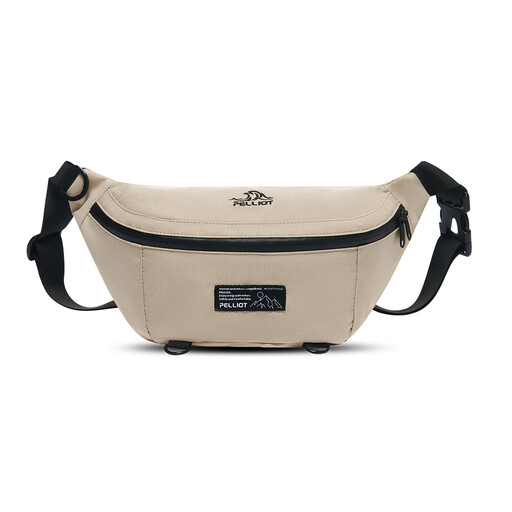
Why This Fits Their Persona: Ideal for commuters and daily users who need a bag for more than just the essentials. The design is minimalist and complements urban attire, while the 4-in-1 carrying options (chest, crossbody, hand, or waist pack) offer maximum flexibility.
The thoughtful compartment layout, with a hidden inner pocket and separate card slot, prevents items from scratching each other. The abrasion-resistant and water-repellent fabric reliably protects contents during light rain.
Generous capacity for an iPad mini, umbrella, and more. Uses durable YKK zippers and branded buckles for reliable operation.
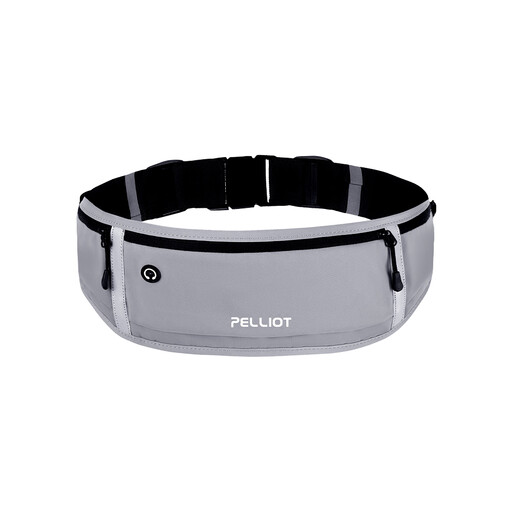
Why This Fits Their Persona: Designed for runners, cyclists, and gym-goers who prioritise an absolutely secure fit and minimal weight. The ultralight material and close-to-body fit are optimised for intense training sessions.
The highly elastic waist strap with ergonomic contouring effectively prevents bouncing and shifting. The non-slip, sweat-wicking interior ensures the belt stays in position even during heavy perspiration.
Well-organised compartments (main, quick-access, and hidden) protect your smartphone. The ultralight fabric provides barely-there comfort.
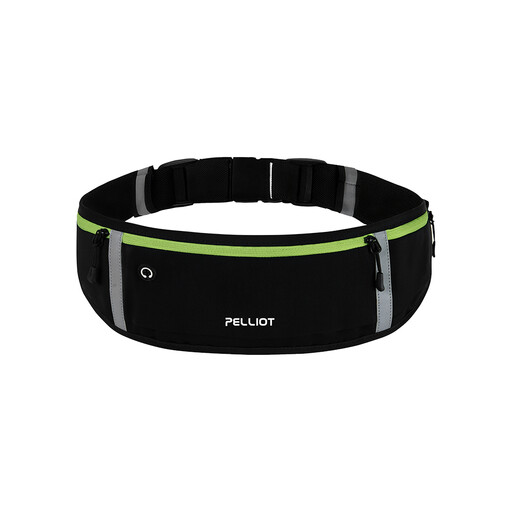
Why This Fits Their Persona: For athletes who regularly train in low-light conditions. This model combines all the functional benefits of a lightweight running belt with a clear focus on maximum visibility and safety.
This model goes beyond standard reflectors. The extra-long reflective strip on the front and sides ensures high visibility during night runs, addressing an often-neglected safety aspect.
Combines a bounce-free, elastic fit with a clear focus on safety. The fluorescent green accents further enhance daylight visibility.
We have compiled a complete, real-time list of products that fully satisfy these strict selection criteria and UK safety regulations.
Fit is crucial. Measure your waist circumference where you intend to wear the belt. Most manufacturers provide a size range in centimetres (e.g., S/M: 66–88 cm). For elastic belts, if you are between sizes, choose the smaller size for high-intensity activities like running to ensure an extra-secure fit.
There is an important distinction between water-resistant and waterproof. Most high-quality running belts are water-resistant. This means their material and coating can repel sweat and light rain, keeping the contents dry. However, they are not designed to be submerged in water. For normal use during sports, a water-resistant property is typically more than sufficient.
Due to their materials (elastic fibres, coatings), running belts should not be machine washed or tumble dried, as this can damage their elasticity and water-resistant properties. The recommended care is to wipe it down with a damp cloth. For heavier soiling, a mild soap solution can be used. Afterwards, the belt should be air-dried away from direct sunlight.