
Lieferung heute & morgen

Qualitätsgarantie

Willkommens-Angebote freischalten: KOSTENLOSE Lieferung | Bis zu 80 % RABATT | Kostenlose 30-Tage-JoyPlus-Testphase
App herunterladen
Choosing the right running shoes isn’t just about colour, brand or low weight. Whether you run for fun, train seriously or enjoy marathons and trail running, the key factors are where you’ll run, fit, cushioning, stability and the outsole. If you focus only on marketing claims such as “Energy Return” or “ultralight”, you could end up with a shoe that doesn’t perform on your usual routes.
Lightweight running shoes can feel pleasantly responsive on tarmac. But a shallow tread may not be enough for rocky woodland paths or wet ground. Conversely, a trail running shoe with a deep tread can feel unnecessarily stiff or less flexible on flat tarmac. The priority isn’t the lowest possible weight, but the balance between weight, protection, cushioning and grip.
Cushioned running shoes vary in their foam, sole height and stability. A soft midsole can feel comfortable over long distances, but it won’t automatically suit every running style. Check how firm or yielding the midsole feels, and whether your foot sits securely in the heel.
The same EU size can fit differently depending on the shoe’s last. A narrow toe box can cause pressure on long runs, while a shoe that’s too wide can offer less support. Running shoes with a wide toe box give your forefoot more room, but they won’t suit every foot shape. Size charts and your actual foot length are therefore more useful than a general recommendation.
For road running, a flatter rubber outsole with an even tread is usually sufficient. If you regularly run on woodland paths, gravel or damp trails, look for a more deeply textured outsole. With non-slip running shoes, tread pattern, rubber compound and contact area all matter. A label such as “All-Terrain” is no substitute for checking the actual tread.
For routes that switch between town and woodland, shoes with a hard-wearing upper and grippy rubber outsole can be practical. Take care on challenging, wet trails, though: no shoe can guarantee complete slip resistance on every surface, gradient or in all weather conditions.
Breathable running shoes often use mesh or woven materials. These can help wick away heat and moisture better than densely coated uppers. However, very open mesh may offer less protection from rain, mud or branches. Trail shoes benefit from reinforcements around the toes and sides if you’ll be running over rocks or roots.
Also check whether the shoe is lined. An unlined upper can improve airflow, but it should be well finished to prevent uncomfortable edges.
EVA foam, multi-layer designs and additional support elements all affect how a shoe feels and guides your foot. Stable running shoes can provide more support through a wider platform, reinforced heel construction or torsion-control elements. That doesn’t mean everyone needs them.
For long-distance running shoes, make sure there’s enough room in front of your toes. Feet can swell during longer runs, so there should be a little space between your longest toe and the end of the shoe. At the same time, your heel shouldn’t slip noticeably when you walk or run. Men’s, women’s and unisex running shoes can differ in their lasts and size ranges, but your individual fit is what matters most.
The models below have been matched to different uses based on their stated materials, soles and fit features. Product options may vary by size, colour or design. Please check the relevant product page before buying.
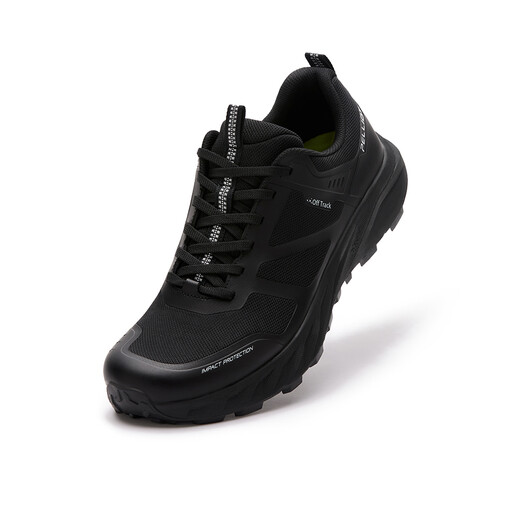
Why this shoe suits this running style: This unisex model is aimed at beginners looking for a shoe for tarmac, park paths and the occasional unpaved route. Its sandwich mesh and woven upper is designed to promote airflow.
The product description specifies the materials, EVA midsole and ROCKYTEC rubber outsole, rather than relying on vague claims about comfort.
Lightweight upper, flexible EVA midsole and size options for standard or narrower feet.
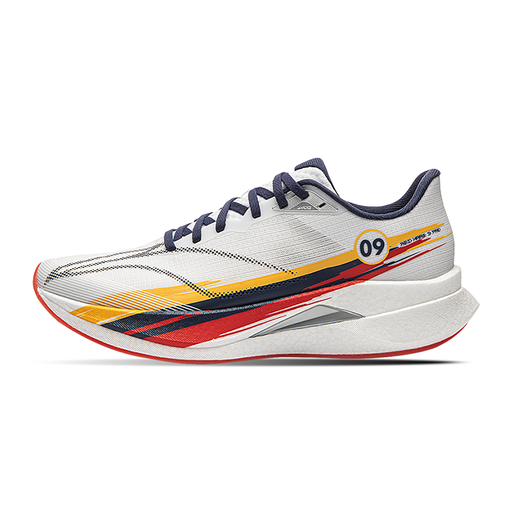
Why this shoe suits this running style: This model combines a widened platform, a two-layer BOOM midsole, a woven upper and a GCR rubber outsole. It’s designed for training, longer road runs and faster sessions.
The fit is described as wide, and the construction includes specific features for torsion control and heel support.
Widened platform, BOOM foam and breathable BOOM-FIBER fabric; the product details also specify a textured GCR tread.
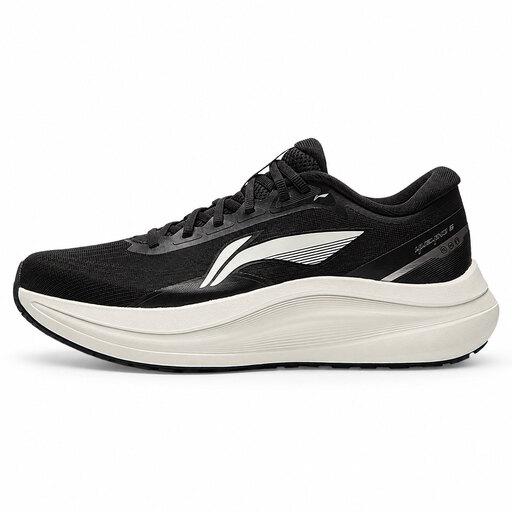
Why this shoe suits this running style: The wider toe box, full-length Tempo Bounce midsole and zoned rubber outsole suit runners who prefer more room in the forefoot for training and longer distances.
The product details give specific information about the last, heel width and toe room. For wider feet, going up half a size is suggested as an option.
Full-length EVA foam construction, a wider heel area, a PROBAR-LOC element and zoned traction.
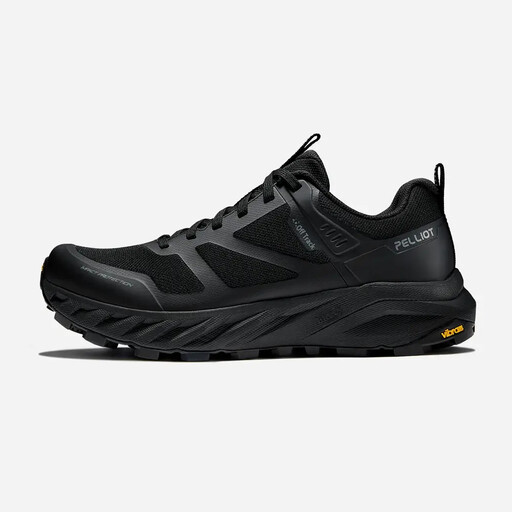
Why this shoe suits this running style: This model is designed for outdoor routes with changing surfaces. It’s a particularly good choice if tread, protection and support matter more to you than an ultra-minimal design.
Its trail-specific design helps prevent you from using a road running shoe on gravel, roots or uneven paths.
Trail-focused construction and an outsole designed for outdoor use; check the product page for details of the tread pattern.
We’ve put together a complete, regularly updated list of products that meet these strict selection criteria and fully comply with the safety regulations in force in the EU.
Their lifespan depends on your body weight, running surface, training volume, care and the materials used. That’s why a fixed mileage isn’t a reliable guide for every model. Replace your shoes when the outsole is noticeably worn, the midsole looks permanently compressed or the fit has deteriorated. Follow the manufacturer’s care instructions; some models should only be cleaned by hand and left to air-dry.
For long distances, you’ll want enough room in the forefoot, a secure heel fit and cushioning that suits your personal preference. Don’t choose marathon running shoes based on low weight alone. If you cover a lot of miles on tarmac, you may prefer a road shoe with an even outsole. For mixed surfaces, versatile shoes with a deeper tread are another option.
Price alone won’t tell you whether a shoe fits or suits your needs. Compare the materials, midsole, outsole, size range and returns policy. A well-fitting shoe with clear product information may be a better choice for regular training than a more expensive model with a last that doesn’t suit your foot.