
Lieferung heute & morgen

Qualitätsgarantie

Willkommens-Angebote freischalten: KOSTENLOSE Lieferung | Bis zu 80 % RABATT | Kostenlose 30-Tage-JoyPlus-Testphase
App herunterladen
Choosing the right running shoes is not just about colour, brand or a low price. What matters is whether the model suits the surface, your running volume and the shape of your foot. If you focus only on terms such as “maximum cushioning” or “particularly lightweight”, you can easily overlook important details.
Terms such as “Energy Return”, “stability” or “All-Terrain” may sound informative, but they do not automatically explain how a shoe performs in everyday use. So check the actual construction: what type of midsole does it have? Is there a support element? How is the outsole tread designed?
Soft cushioning is not suitable for everyone or every running style. A more responsive feel may be sufficient for short training runs, while running shoes for long distances often provide greater comfort and more even pressure distribution.
Shoes that are too short can cause your toes to hit the front when running downhill or during longer sessions. Models that are too wide, on the other hand, may not provide your foot with enough support. A wide toe box is particularly useful if your toes need more room to move during the toe-off phase.
Men’s running shoes, women’s running shoes and unisex running shoes can differ by model in terms of sizing system, last shape and available sizes. However, the actual fit on your own foot remains the decisive factor.
A shallow tread can roll comfortably on tarmac, but it does not necessarily offer enough grip on wet woodland floors or loose surfaces. For woodland paths, gravel and changing conditions, trail running shoes with a more pronounced rubber tread are an obvious choice. Conversely, deep lugs can feel unnecessarily firm and less smooth on level tarmac.
The midsole affects how the shoe feels when your foot lands and rolls forwards. EVA foams or brand-specific foam constructions are often used. Cushioned running shoes are generally suitable for people who prefer a softer feel underfoot. However, that does not automatically mean they are ideal for every distance or running style.
Pay attention to:
Lightweight running shoes can feel comfortable during speed sessions or short training runs. For regular long runs, fit, support and your own personal comfort are also important.
Stable running shoes often feature a wider base, firmer side elements or a torsion-supporting construction. A wide platform can make the roll-through feel more controlled. However, it does not replace an individual gait analysis and is not a medical claim.
The Li-Ning models in this selection include features such as a widened heel, a PROBAR-LOC element or a wing-shaped TPU plate. These details relate to the construction of each product. Whether the shoe feels stable to you also depends on your foot shape, running technique and the surface.
Breathable running shoes with a mesh or woven upper allow air and moisture to circulate more easily. This can improve comfort on warm training days. In rain, cold weather or heavy dirt, however, a very airy upper is not automatically the most practical solution.
The outsole should suit the intended use:
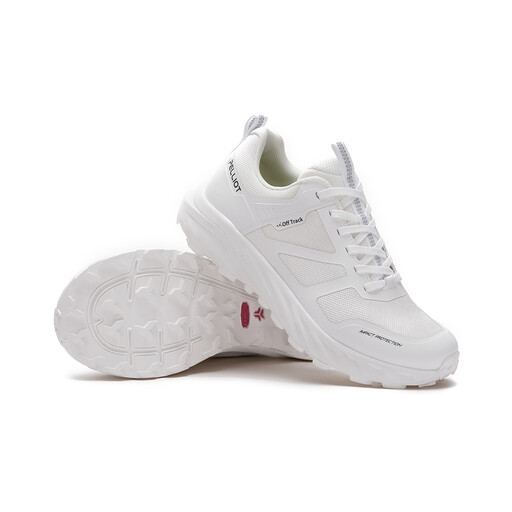
Why this product suits this profile: This unisex model combines a lightweight mesh upper with an EVA midsole and is designed for roads and varied everyday surfaces.
The product details specify the materials and include a size chart, rather than relying solely on general comfort claims.
Sandwich mesh and highly elastic EVA midsole; standard and slim versions are described.
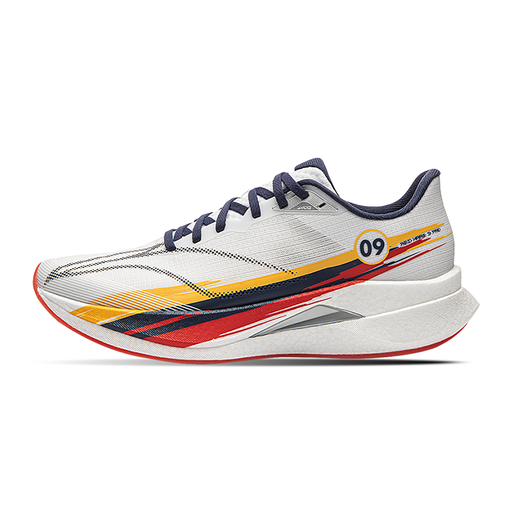
Why this product suits this profile: This model is aimed at ambitious runners looking for a lightweight construction with a wide platform and woven upper.
The selection combines details about the platform, midsole, upper and outsole, making it easier to assess the intended use.
Dual-layer BOOM midsole, wing-shaped TPU plate and GCR rubber outsole according to the product description.
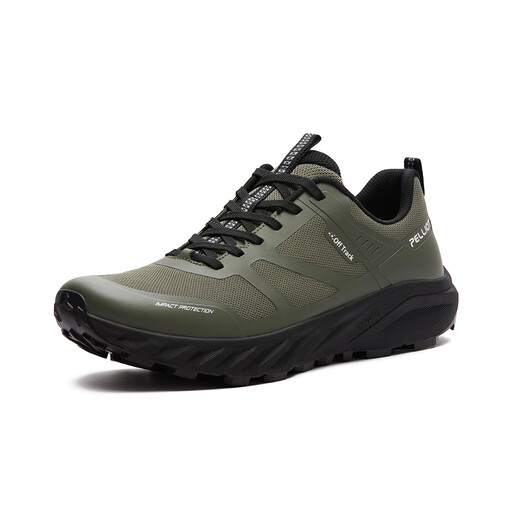
Why this product suits this profile: This model is designed for longer road runs and the transition to paved paths, and is available in EU 43.
The lightweight upper, midsole and ROCKYTEC tread are described separately, rather than simply labelling the shoe an all-rounder.
Mesh and woven upper, EVA midsole and abrasion-resistant ROCKYTEC rubber outsole according to the product details.
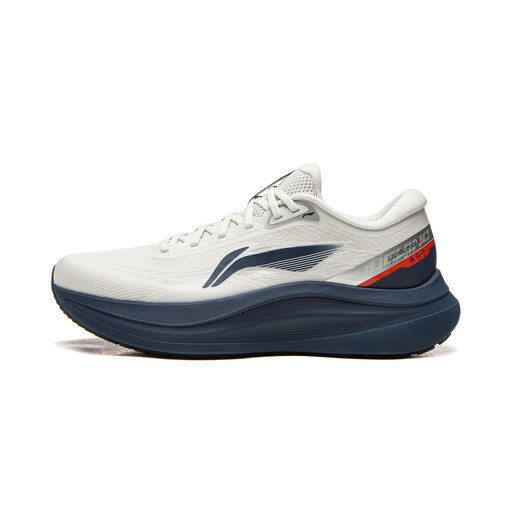
Why this product suits this profile: The described last shape and widened heel are suited to users who prefer more room around the forefoot and heel.
The product description explicitly mentions the wide toe box, optimised last shape and the option to choose half a size larger if you need more room.
Full-length Tempo-Bounce midsole, PROBAR LOC and zoned rubber outsole according to the manufacturer’s details.
We have put together a complete, regularly updated list of products that fully meet these strict selection criteria and the safety regulations applicable in the EU.
Where possible, try on running shoes with the socks you wear for training. There should be a little room between your longest toe and the front of the shoe, without your heel slipping noticeably as you walk. If your feet are different lengths, use the larger foot as your guide. Also check the size chart for the specific model, as EU sizes can vary depending on the brand and last.
Care involves wiping the shoes with a damp cloth and drying them at room temperature. Strong cleaning products, direct heat and machine washing can damage the upper, adhesives and foam. After contact with dirt, trail running shoes should be cleared of soil and small stones.
There is no fixed mileage that applies to every model. Running surface, body weight, training frequency, technique and material wear all play a role. Replace a pair when the tread is visibly worn, the midsole appears permanently compressed or the fit has changed.
They can feel comfortable for beginners who prefer a softer ride. However, cushioning alone does not determine suitability. Fit, heel support, weight and the surface you run on most often should all be considered together.
Road models usually have a flatter outsole designed for firm surfaces. Trail running shoes often feature more pronounced rubber tread and a construction suited to changing paths. A versatile model may work well for regular runs on tarmac and woodland paths; for technical terrain, a clearly defined trail tread is preferable.