
Lieferung heute & morgen

Qualitätsgarantie

Willkommens-Angebote freischalten: KOSTENLOSE Lieferung | Bis zu 80 % RABATT | Kostenlose 30-Tage-JoyPlus-Testphase
App herunterladen
Lightweight running shoes may look similar at first glance, but they can differ significantly in fit, cushioning and outsole. If you buy men’s and women’s running shoes online, you should therefore look beyond product images or terms such as “performance”. Road running places different demands on footwear than woodland paths, gravel or wet rocks.
Our selection follows a practical principle: what matters are clearly stated features such as weight, upper material, midsole and outsole, size information and care instructions. Marketing terms are no substitute for specific product data.
Lightweight running shoes can feel comfortable when you first put them on. However, low weight alone says little about the fit or stability. A very soft model may provide less secure support on uneven ground, while a firmer construction can offer greater control over longer distances.
You should therefore also check:
Mesh uppers promote air circulation and can feel comfortable in warm weather. However, they are not automatically waterproof. Conversely, an additional coating can improve weather protection but may affect ventilation.
With breathable running shoes, you should therefore distinguish between open mesh, woven uppers and any TPU reinforcement. For rainy conditions, additional outdoor running accessories such as a running cap may be useful. A cap protects your face and eyes from the sun or light rain, but it does not replace a waterproof running jacket.
An outsole that performs well on dry asphalt will not necessarily provide the same grip on mud, wet rock or loose sand. For trail running shoes and all-terrain running shoes, tread, rubber compound and abrasion resistance are more important than a general promise of grip.
Look for specific information about the outsole and consider where you do most of your running. A deep tread may be unnecessary for road running only, while a smooth sole can reach its limits more quickly on woodland paths.
A sandwich-mesh or woven upper is designed to allow air exchange. The PELLIOT model combines mesh and fabric; selected versions also specify a TPU film. This construction can improve abrasion resistance, while the open structure supports the exchange of moisture and heat.
If you run in changeable weather, do not simply look for the word “waterproof”. Check whether the product provides specific information about seams, membranes and hydrostatic head. Without these figures, it is difficult to assess the shoe’s actual protection from rain.
Cushioned running shoes use different types of foam and geometry. The PELLIOT models mentioned feature a midsole made from highly elastic EVA foam. The product description refers to rebound and shock absorption. These are material and construction characteristics, not a guarantee of a particular mileage or freedom from individual discomfort.
For long-distance running shoes, you should consider a secure fit alongside cushioning. A shoe that slips at the heel or presses against your toes can become uncomfortable during longer runs. Try new shoes on shorter runs first.
According to the product description, the PELLIOT shoes use a ROCKYTEC rubber outsole. Selected versions also specify Vibram Megagrip. As this feature does not necessarily apply to every version, you should check the exact product variant.
Standard and Slim versions are available for different fits. The stated table ranges from 245 mm or EU 39 to 275 mm or EU 45. An EU size is not identical across all brands. Measure both feet in the evening and compare the longer foot with the measurement chart.

Why this product suits this profile: This unisex shoe is suitable for people looking for footwear for both running and everyday wear, including road sections, paved paths and occasional changes in terrain. The stated EU 43 size should be checked against your foot length before purchase.
The product description lists specific materials, an EVA midsole and a ROCKYTEC outsole rather than relying only on general comfort claims. This makes it easier to assess where the shoe is suitable for use.
Sandwich mesh and woven fabric support ventilation. The EVA midsole and patterned rubber outsole are designed for changing surfaces.
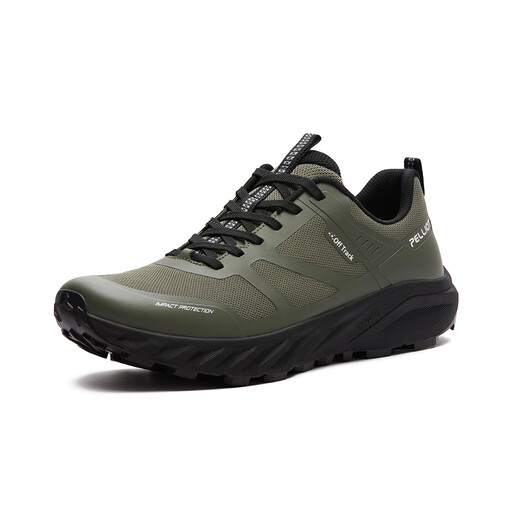
Why this product suits this profile: This model is described for road running and transitions to paved countryside paths. It is aimed at runners who want to combine low weight, ventilation and specified EVA cushioning.
The description specifies an abrasion-resistant upper construction and a clear size guide. This makes it easier to check the materials and fit before purchase.
Breathable mesh fabric, highly elastic EVA midsole and ROCKYTEC outsole, with details on use across different surfaces.

Why this product suits this profile: For regular outdoor runs, a lightweight running cap with an adjustable fit and reflective strap can be a practical addition. This model is specified for a head circumference of 56 to 58 cm in M–L.
The size range and hand-wash instructions are clearly stated. However, the word “Waterproof” in the product name should not be taken to mean fully tested rain protection, as no hydrostatic-head rating is provided.
100% polyester, mesh construction, lightweight design, adjustable peak and moisture-wicking sweatband, according to the product description.
As well as your shoes, small equipment details can also affect running comfort:
We have put together a complete, regularly updated list of products that fully meet these strict selection criteria and the safety regulations applicable in the EU.
It is not possible to give a reliable fixed mileage for every model. Durability depends on body weight, running style, surface, training volume and care. Check the tread, midsole cracks and any persistent uneven wear regularly. If there is significant wear, the shoe should not continue to be used simply because it still looks presentable.
Many trail running shoes can handle short stretches of asphalt. However, a deep tread may feel different and wear more quickly during long road runs than on natural paths. If you mainly run on asphalt, choose a road-running model or a shoe with a balanced road-to-trail design.
Measure your foot length while standing and compare it with the product-specific chart. There should be enough room between your toes and the front of the shoe during running, without your heel slipping. If your feet are different lengths, use the measurement of the longer foot. The measurement chart and return conditions provide a more reliable guide to fit than simply comparing EU sizes.