
Lieferung heute & morgen

Qualitätsgarantie

Willkommens-Angebote freischalten: KOSTENLOSE Lieferung | Bis zu 80 % RABATT | Kostenlose 30-Tage-JoyPlus-Testphase
App herunterladen
Choosing the right running shoes is about more than colour, brand or finding the lowest price. For casual runners, dedicated athletes and trail runners, the key factors are where you’ll run, how the shoes fit and what the outsole is like. Check these before you buy to reduce the risk of your shoes rubbing, slipping or failing to provide enough grip on your chosen terrain.
Labels such as ‘Performance’, ‘Cushioning’ or ‘Stable Support’ don’t automatically mean a shoe will suit your feet and running style. Look for clear information about the midsole, upper, outsole, last shape and size recommendations.
A heavily cushioned shoe may feel comfortable when you try it on briefly, but too soft for faster sessions. Conversely, very lightweight running shoes aren’t always designed for long distances or uneven paths.
A smooth tread is generally suited to tarmac, park paths and other firm surfaces. On wet woodland, gravel or muddy sections, a trail tread with more prominent lugs will usually provide better contact with the ground. A road-to-trail shoe can be practical, but it involves a compromise: look for a sole that rolls flexibly and has a clearly defined tread.
Your feet move as you run and may swell a little during longer sessions. If your toes press against the front of the shoe or are constantly squeezed at the sides, the fit isn’t right. Running shoes with a wide toe box give your forefoot more room. They should still fit securely around your heel and midfoot, so your foot doesn’t slip inside the shoe.
For regular runs on tarmac and firm paths, men’s running shoes, women’s running shoes or unisex running shoes with a flatter, continuous tread are worth considering. For woodland paths and mountain trails, trail running shoes with a hard-wearing rubber outsole and a more pronounced tread are a better choice.
Check the product description:
The midsoles of cushioned running shoes are often made from EVA foam or a manufacturer-specific foam blend. Soft cushioning creates a more forgiving feel underfoot, while firmer shoes can offer a more direct connection with the ground. The right option depends on your weight, pace, route and personal preference.
Stable running shoes may offer more support through a wider platform, reinforced heel construction or torsion-control features. These features are no substitute for an individual gait analysis and shouldn’t be taken as a medical guarantee. If discomfort persists, stop wearing the shoes and seek professional advice.
Breathable running shoes with a mesh or fabric upper can improve airflow. For wet, rocky trails, abrasion resistance is also important. Very open mesh can feel airy, but it won’t necessarily protect you from water or dirt.
For the best results, measure both feet in the late afternoon, wearing the running socks you plan to use. Then check that:

Why this product suits this profile: The unisex design may appeal if you’re looking for a versatile shoe for training, firm paths and occasional trail sections. It’s described as having a mesh and fabric upper, an EVA midsole and a ROCKYTEC rubber outsole.
The product details specify the materials and include a size chart. This makes it easier to choose based on your foot length and intended use, rather than relying on marketing claims alone.
Lightweight sandwich mesh, EVA foam and a treaded rubber outsole are listed as features for versatile use.
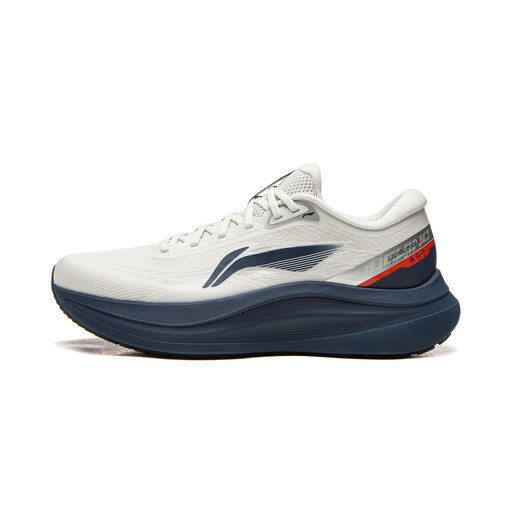
Why this product suits this profile: This model is designed for runners looking for a roomier forefoot fit and defined stability features. It’s described as having a wide toe box, a Tempo-Bounce midsole, a widened heel area and PROBAR-LOC construction.
The roomier interior helps address the common mistake of choosing a shoe with a narrow forefoot based on your usual shoe size alone. The product information suggests considering half a size larger if you have wider feet.
A wider toe box, EVA foam and a zoned rubber outsole are listed as key construction features.
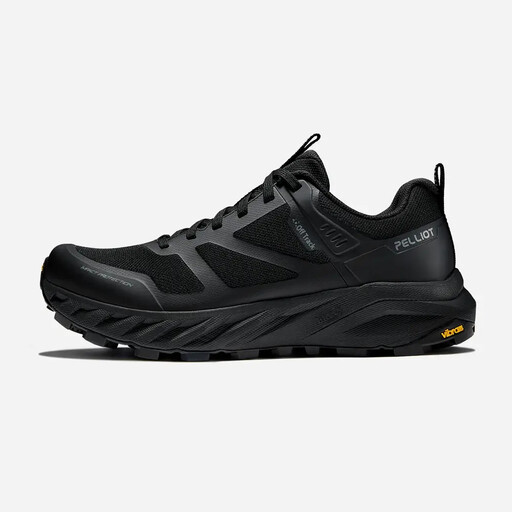
Why this product suits this profile: This model is intended for runners who mainly use woodland paths, forest trails or other varied terrain. Before buying, check the size, returns policy and the specific details given about the outsole tread.
Its classification as a trail shoe helps you focus on the terrain you’ll actually be running on. For demanding routes, also check the tread depth, grip information and protective construction in the product details.
A trail-focused design in black; the available EU 44 size makes it easy to choose if it matches your foot measurements.
We’ve put together a complete, regularly updated list of products that meet these strict selection criteria and fully comply with the safety regulations applicable in the EU.
How long running shoes last depends on the terrain, your weight, how much you run, the materials and how you care for them. A set mileage isn’t a reliable guide for every model. Check your shoes regularly:
Clean dirty shoes according to the manufacturer’s instructions, using a damp cloth or mild soap, and leave them to air-dry. Direct heat, strong cleaning products and tumble-drying can damage the materials and bonded areas.
There should be a little room between your longest toe and the end of the shoe. Your foot shouldn’t slide forwards. A slightly roomier fit may be helpful for longer runs or in warm weather.
There’s no one-size-fits-all answer. Regular training on tarmac puts different demands on the outsole from occasional runs on soft woodland paths. Visible wear, reduced stability and a change in fit are practical signs that it may be time for a new pair.
It depends on the cushioning, fit and your personal running style. Lightweight running shoes can feel responsive during faster sessions. For long distances, they should also offer enough room, suitable cushioning and a secure fit.