
Lieferung heute & morgen

Qualitätsgarantie

Willkommens-Angebote freischalten: KOSTENLOSE Lieferung | Bis zu 80 % RABATT | Kostenlose 30-Tage-JoyPlus-Testphase
App herunterladen
Running shoes should suit the surface you run on, how often you run and the shape of your feet. But product names such as ‘Cushioning’, ‘Performance’ or ‘Stability’ don’t automatically point you towards the right choice. What matters is having clear information about fit, midsole, outsole, upper and available sizes.
Cushioned running shoes can feel pleasantly soft when you try them on. But how suitable they are in practice depends on how the midsole, heel support, flexibility and running surface work together. A very soft shoe may feel less controlled on uneven ground, while a firmer shoe can offer a more direct feel underfoot on long road runs.
So don’t focus only on terms such as ‘maximum cushioning’. Check what the shoe is designed for and whether its construction suits your pace and the surfaces you run on.
An anti-slip outsole won’t perform equally well on every surface. Shallow rubber tread often works better on tarmac and paved paths. Trail running shoes, on the other hand, need a much more pronounced tread to grip loose ground, mud or gravel.
Terms such as ‘All-Terrain’ or ‘Anti-Slip’ should therefore be backed up with specific details about the tread, rubber compound and intended use. On wet rocks or muddy woodland paths, you’ll also need to adapt your running technique.
Sizing varies between brands, lasts and models. Your feet may also swell slightly while you run. There should be a little room between your toes and the front of the shoe, without your heel slipping out when you walk.
Width across the forefoot is particularly important. If you need a roomier fit, look for running shoes with a wide toe box or a wider last. Simply going up a size won’t necessarily make a shoe wider.
For tarmac, park paths and paved routes, road running shoes with a relatively even tread are usually a good choice. They can be lightweight and help you roll through your stride smoothly. If you often run on woodland paths, gravel, roots or wet trails, consider trail running shoes with a grippy outsole and abrasion-resistant upper instead.
A road-to-trail model can be a good option for mixed routes. However, it shouldn’t be confused with a specialist mountain or mud shoe.
Midsoles are often made from EVA foam or a brand-specific foam. Key things to consider include:
Stability running shoes often have a wider base, reinforced elements or a more secure heel area. This is a feature of the shoe’s construction, not a claim about medical benefits.
Breathable running shoes are often made from mesh or woven textiles. These materials can promote airflow, but they don’t automatically protect you from rain. For longer runs, the tongue should be adequately padded and the heel should feel secure.
Check for:
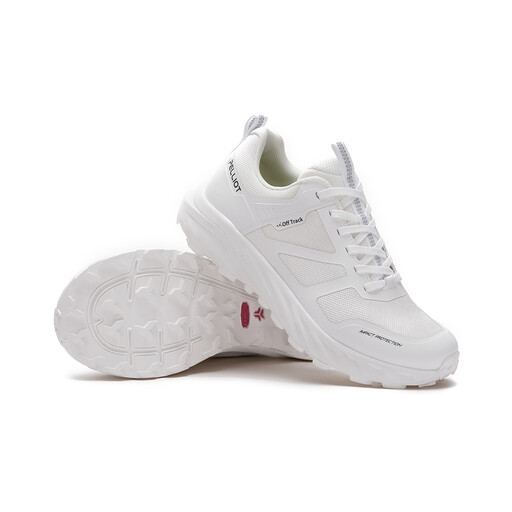
Why this product suits this type of runner: This unisex model may appeal to anyone looking for a lightweight shoe for paved paths and the occasional off-road section. According to the product details, the upper is made from sandwich mesh and woven fabric.
The product description specifies the materials, EVA midsole and shoe care advice. This makes it easier to assess breathability and care requirements than relying on a marketing term alone.
Lightweight mesh upper, EVA foam midsole and sizes from EU 35 to 39 listed for this version.
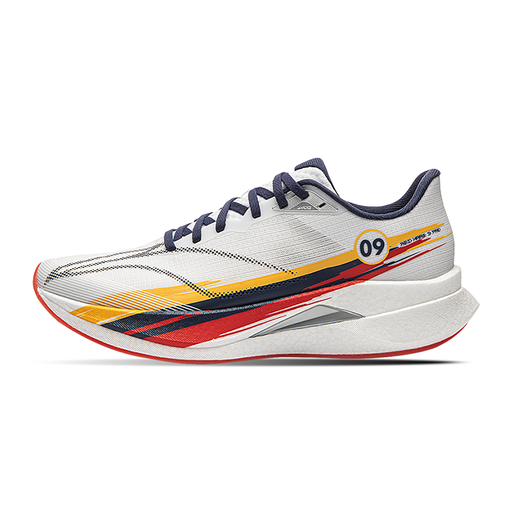
Why this product suits this type of runner: This model is aimed at runners looking for men’s running shoes with a wider platform, a woven upper and a construction designed for both training and faster sessions.
Rather than focusing on low weight alone, the product description specifies the platform width, TPU element, BOOM midsole and GCR rubber outsole.
Wider fit, reflective elements according to the product name, woven BOOM FIBER upper and GCR rubber tread.

Why this product suits this type of runner: For regular runs on mixed surfaces, the combination of a mesh upper, EVA midsole and ROCKYTEC rubber outsole is worth considering.
The description sets out the intended road-to-trail use, as well as the materials and sole construction. This makes it easier to check whether the shoe suits tarmac, woodland paths and gravel.
Abrasion-resistant upper, highly elastic EVA foam and ROCKYTEC rubber; standard and slim versions are listed as available.
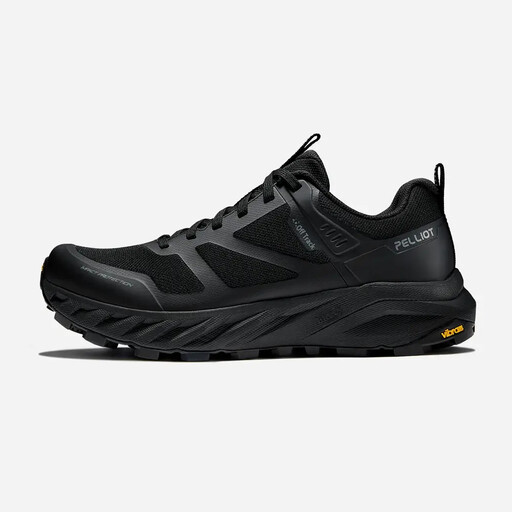
Why this product suits this type of runner: This model is designed for runners looking for a dedicated trail running shoe for routes with mixed surfaces. Check the available sizes and product page before buying.
The choice is based on the shoe’s intended use on trails, not just its colour or weight. Before buying, check the tread, size details and returns policy.
Trail running design, men’s model in EU 43 and an upper that, according to the product details, is designed for its intended use on off-road terrain.
We’ve put together a complete, regularly updated list of products that meet these strict selection criteria and fully comply with the safety regulations in force in the EU.
Try on running shoes in the late afternoon or after some light activity if possible. Your feet are often slightly larger then than they are in the morning. For long-distance shoes, leave roughly a thumb’s width of space in front of your toes. Your heel should still feel secure.
To care for your shoes:
There’s no set mileage at which you need to replace your shoes. Body weight, running surface, training volume and materials all vary. It’s worth replacing them when the tread is badly worn, the cushioning feels permanently changed or the upper no longer provides secure support.
Your toes should be able to move without hitting the front of the shoe. The midfoot should feel secure, while the heel shouldn’t slip noticeably when you walk or run. If you have wider feet, finding a suitable toe box is more important than simply choosing a longer shoe.
It depends on how often you use them and the surfaces you run on. Check the tread, sole, seams and heel support regularly. Visible signs of material fatigue or a noticeably different feel when running are more useful indicators than a general mileage figure.
It depends on the fit, cushioning and what you’re used to. Lightweight running shoes can feel more direct at higher speeds. For long distances, they should also offer enough support, fit comfortably and suit the surfaces you run on most often.