
Lieferung heute & morgen

Qualitätsgarantie

Willkommens-Angebote freischalten: KOSTENLOSE Lieferung | Bis zu 80 % RABATT | Kostenlose 30-Tage-JoyPlus-Testphase
App herunterladen
A great run can be ruined by the smallest detail. Often, it's not your shoes or your fitness level, but your socks that make or break your comfort. Blisters, pressure points, and excessive sweat are common problems that can be prevented with the right choice of running socks. However, the market is flooded with marketing promises that often create more confusion than clarity. Before you make a decision, it's crucial to understand the most common pitfalls.
The 3 Most Common Mistakes When Buying Sports Socks:
To avoid a bad buy, you should focus your attention on three technical features. These define the functionality and comfort of a good running sock.
The material composition is the most critical factor for moisture management. Breathable socks for sports are almost always made from a blend of synthetic fibres.
These materials ensure your feet stay dry even during intense exertion, which significantly reduces the risk of blisters.
A good running sock is more than just a tube of fabric. Look for the following construction details that specifically distinguish anti-blister running socks:
Cushioned running socks offer extra protection in the areas that endure the most stress: the heel, ball, and toes. The padding serves to absorb shock and increase comfort, especially on hard surfaces or during long runs.
The padding should be strategically placed and not encompass the entire sock, so as not to compromise breathability.
Based on the criteria above, we have curated a selection of products suitable for various user profiles.
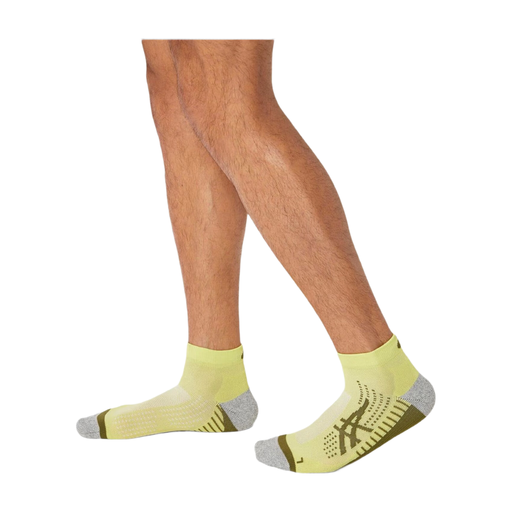
Why This Fits Their Persona: Ideal for runners who cover long distances and need maximum protection against friction. The construction is designed for endurance and comfort to ensure consistent performance even after many miles.
The ergonomic left-right construction and Nanoglide technology for friction reduction actively counter the "one-size-fits-all" trap and the resulting blisters.
Targeted cushioning on the sole for shock absorption and integrated arch support for added stability.
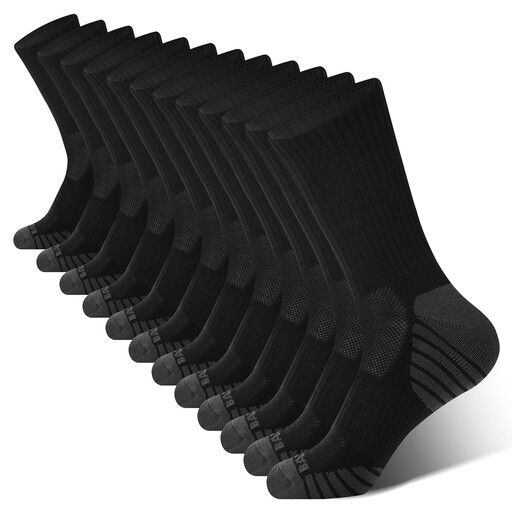
Why This Fits Their Persona: These socks are designed for individuals looking for a reliable pair for various activities—from running to the gym to everyday wear. The multi-pack offers excellent value for regular use.
The moisture-wicking material blend effectively prevents the heat buildup and dampness of the cotton myth. The reinforced heel and toe areas ensure durability where basic socks quickly fail.
Cushioned sole for comfort across various activities and integrated arch support to reduce fatigue.
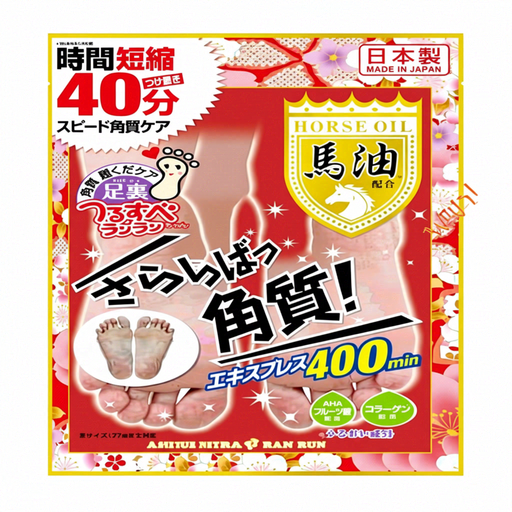
Why This Fits Their Persona: For runners who want to not only combat symptoms like blisters but also address the root cause of pressure points—calluses. This is a complementary product for runner's foot care that fundamentally improves foot health.
Instead of just relying on padding to alleviate callus-related pain, this product gently and chemically removes calluses without damaging the skin through coarse filing or rubbing.
Effective callus removal with AHA acids in just a 40-minute application time. The included horse oil moisturises and nourishes the new layer of skin.
We have compiled a complete, up-to-date list of products that fully meet these strict selection criteria and comply with current regulations.
Yes, to a great extent. Blisters are caused by a combination of moisture and friction. High-quality running socks made from synthetic materials wick sweat away from the skin, keeping feet dry. A precise, bunch-free fit minimises friction inside the shoe. The combination of these two factors is the most effective way to prevent blisters.
The lifespan of running socks depends on mileage, material, and care. A clear sign of wear is when the socks lose their elasticity and start to slip inside the shoe. It's also time for a replacement when the cushioning at the heel or ball becomes noticeably thinner or holes appear. As a rule of thumb, runners should inspect and, if necessary, replace their socks after about 300–500 miles (500–800 kilometres).
The main difference is often in the fit and size. Men's sports socks are typically cut wider and designed for larger feet, while women's models are narrower to fit a smaller, often slimmer foot shape. However, the functionality, materials, and technologies like cushioning or compression are identical in both versions. The choice should primarily be based on individual fit.