What should you look for when buying?
First decide whether ingredients, a clearly stated wholemeal content or ease of use matters most to you. Then it’s worth comparing the details on the individual packs.
| Criteria |
What to check when buying |
Who it matters to |
| Added sugar |
Compare the ingredients list and sugar content per 100 g; a recipe with no added sugar is not automatically sugar-free. |
I want to avoid added sugar without relying solely on the front of the pack. For around 33 % of consumers, this is the main consideration when buying rusks. |
| Wholemeal |
Check the product name and the proportions of grains in the ingredients list; spelt and wholemeal spelt groats alone do not prove that a rusk is wholemeal. |
If I’m specifically looking for wholemeal rusks, the type of grain alone isn’t enough to help me choose. Around 27 % of consumers prioritise this. |
| Recipe and allergens |
Check the ingredients, highlighted allergens and, where applicable, precautionary statements about traces on the current pack. |
I need to avoid certain ingredients or am specifically looking for a vegan option; a general description isn’t enough for me. This is the main reason for choosing a product for around 20 % of consumers. |
| Everyday use |
Choose a pack size and slice format that suit the portion you have in mind. |
For my short break, I want to eat rusks straight from the pack or add a topping without any fuss. For around 20 % of consumers, this ease of use is the priority. |
Rusks on Joybuy
These Brandt products come in different pack sizes and are described in different ways for a rusk snack. Whether a particular variety meets your needs for sugar, wholemeal content or allergens depends on the information for that specific product.
 No image available
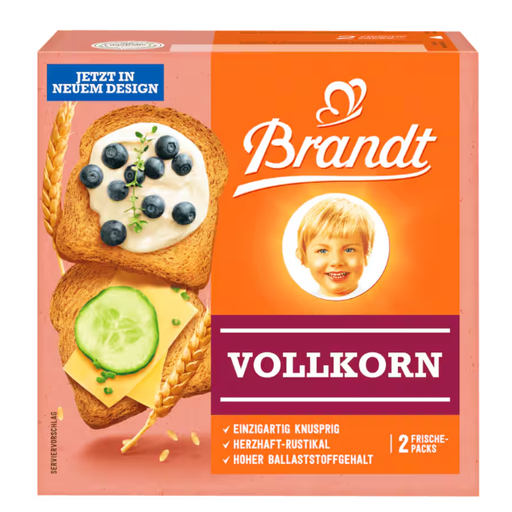
Brandt Wholemeal Crispy Rusks, 225 g
For a rusk break when you’re keeping an eye on the grain ingredients. If you’re specifically looking for wholemeal rusks, check the product name and ingredients list on the pack.
View on Joybuy
 No image available
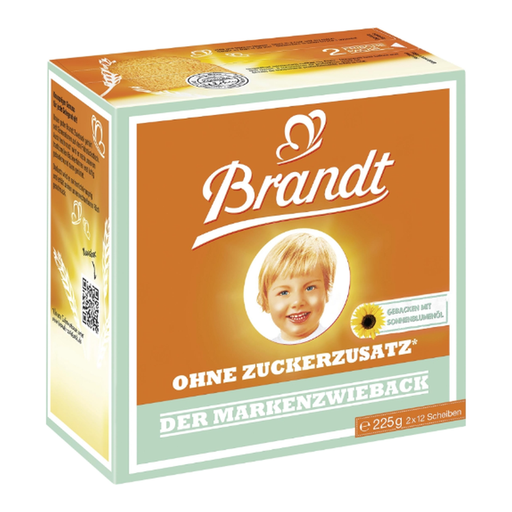
Brandt Whole Grain Rusks No Added Sugar, 225 g
For shoppers who want to compare wholemeal content and added sugar in a morning snack. These details appear in the product name; check the grain proportions, ingredients and nutritional information on the pack.
View on Joybuy
 No image available
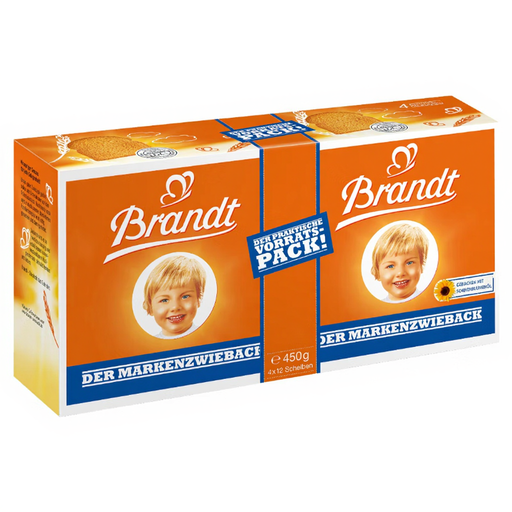
Brandt Zwieback Rusks Double Pack, 2 × 225 g
For a classic rusk snack when two 225 g packs suit how you plan to enjoy them. Check the ingredients and allergens on the specific pack.
View on Joybuy
Frequently asked questions
Are rusks automatically particularly easy to digest?
No. The name ‘rusk’ doesn’t tell you whether a product will suit you personally or have any digestive benefits. If you need to avoid certain ingredients, check the information on the specific pack.
Can I choose classic Brandt Brand Rusks if I have a milk or soya allergy?
The classic recipe described by Brandt contains milk ingredients and soya lecithin. It also contains wheat flour and barley malt extract. If you need to avoid allergens, check the current labelling on the specific pack.
Are spelt rusks always wholemeal rusks?
No. Spelt tells you the type of grain, not the wholemeal content. For dmBio Spelt Rusks, dm lists 81 % spelt flour, Type 630, and 11 % wholemeal spelt groats. If you’re looking for wholemeal rusks, check the labelling and grain proportions of the product you’re considering.
How can you include rusks in a morning break?
The right amount also depends on what you’ve eaten earlier. The German Nutrition Society recommends a larger break-time snack after a smaller breakfast, and vice versa, for school meals; rusks can be one of the grain-based components.
Which details on the pack help you compare products?
The ingredients list, allergen information and nutritional values are especially useful when choosing between different rusks. Compare sugar and fibre per 100 g, and if you’re looking for wholemeal rusks, also check the product name and grain ingredients.


