What should you look for when buying?
For a coffee gathering, first consider chewing comfort and any essential requirements relating to ingredients or allergens. You can then compare nutritional information and the type of accompaniment you’d like to serve with coffee.
| Criterion |
What to check |
Who it matters to |
| Chewing comfort |
Check whether the person can comfortably chew and swallow dry, crunchy or crumbly biscuits; if they have known swallowing difficulties, check whether the product is suitable for them. |
If dry biscuits are difficult for me to chew or swallow, the right texture matters more than the variety. Chewing comfort is the top priority for around 36% of consumers. |
| Ingredients and allergens |
Check the current ingredients list and allergen and ‘may contain’ information against the specific requirements. |
If I need to avoid lactose, gluten or a particular allergen, I want to know exactly what’s in the variety I choose. For around 29% of consumers, suitability comes first. |
| Nutritional information |
Compare fibre, sugar, fat and salt on the same basis, such as per 100 g, and check the serving information if relevant. |
For a small biscuit to have with coffee, I want to compare the ingredients of the specific varieties rather than rely on terms such as ‘wholemeal’ or ‘Digestive’. Around 21% of consumers prioritise nutritional information. |
| Accompaniment and storage |
Check the pack size, portion format, best-before date and storage instructions. |
If I regularly serve biscuits with coffee, I want a familiar accompaniment that’s easy to portion and store. For around 14% of consumers, this is the main consideration. |
Rusks for coffee at Joybuy
These products are part of the selection of rusks for coffee: two wholemeal varieties and a twin pack of classic rusks. Your choice should still depend on the label on the specific pack and the individual’s chewing comfort.
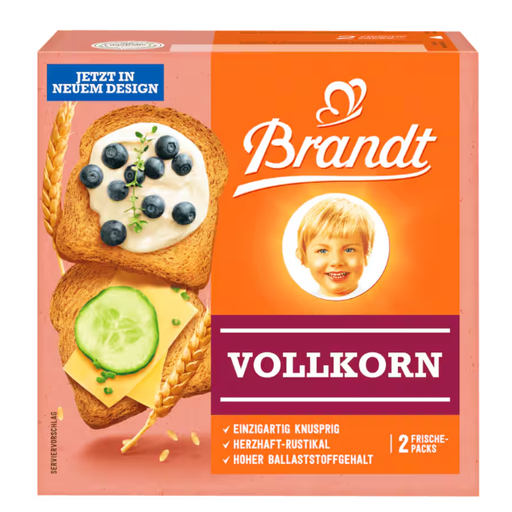 Image unavailable
Brandt Wholemeal Crispy Rusks 225 g
This wholemeal variety is worth considering if you specifically want wholemeal biscuits to serve with coffee. If fibre content is important to your choice, compare the nutritional information on the specific pack; the crunchy texture also needs to suit the person.
View at Joybuy
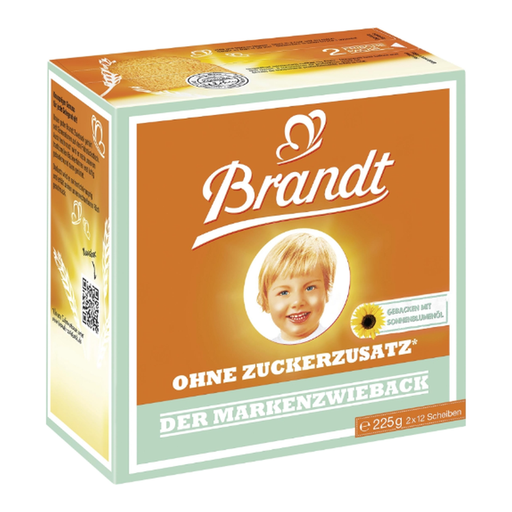 Image unavailable
Brandt Whole Grain Rusks No Added Sugar 225 g
This wholemeal variety is an option for coffee if you’re looking for a product labelled as such. If the sugar content is a key factor in your choice, check the ingredients list and nutritional information on the current pack, and bear the crunchy texture in mind too.
View at Joybuy
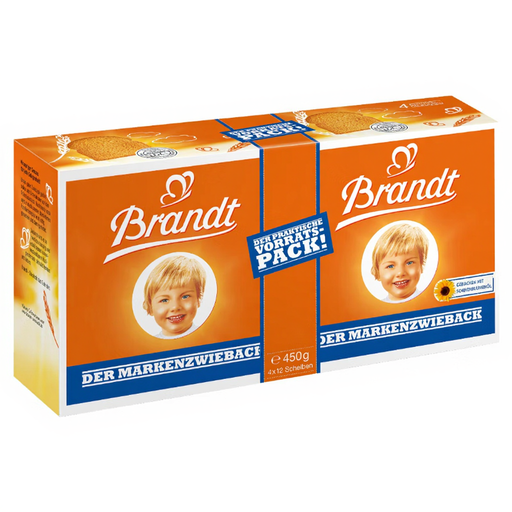 Image unavailable
Brandt Rusks Twin Pack 2 × 225 g
This twin pack of classic rusks is worth considering if you’re looking for a familiar, crunchy accompaniment to serve with coffee. Always check the allergen information on the specific pack, and make sure the dry texture is suitable for the person.
View at Joybuy
Frequently asked questions
Are Digestives the same as rusks?
No. A Digestive is a biscuit, while a rusk is a very dry, twice-baked biscuit. REWE lists McVitie's Digestive The Original as a wheat biscuit with wholemeal content; EDEKA describes rusks as being baked twice. For a nutritional comparison, check the information for the specific varieties.
Does the name ‘Digestive’ tell you how easy a biscuit is to digest?
No. The name alone doesn’t indicate whether a product is suitable for an individual or for medical reasons. Check the ingredients, allergens and nutritional information before buying; if you have dietary requirements for health reasons, it’s worth getting individual advice.
What should I look for in lactose-free rusks?
Look for the lactose-free label and also check the ingredients list for any other substances relevant to the person. For example, the lactose-free Brandt Markenzwieback listed by REWE contains wheat flour, barley malt extract and soya lecithin.
Are gluten-free Digestives also free from other allergens?
No. Gluten-free doesn’t mean allergen-free. According to REWE, Schär Landtaler Digestive contains soya and may contain traces of lupin and egg, so check the label on the pack you choose.
How should I store rusks?
Store rusks in a dry place and, once opened, keep them as airtight as possible. EDEKA describes them as a particularly low-moisture biscuit; follow the storage instructions and best-before date on the specific pack.


