Catering managers focused on allergens
If rusks are served unpackaged, you need the ingredient and allergen details for the products actually being served, so guests can check them.


For a coffee break with no agreed special dietary requirements, classic rusks can be a good fit if the pack size is easy to plan around and guests can access the ingredient and allergen information. Wholemeal, lactose-free or vegan varieties may be suitable for clearly labelled options, but none of these labels automatically means a product is gluten-free.
If rusks are served unpackaged, you need the ingredient and allergen details for the products actually being served, so guests can check them.
For a larger group, you’ll need clear pack sizes, portion information where available and suitable storage guidance.
Alongside classic rusks, you may want to offer a clearly labelled wholemeal, lactose-free or vegan variety, with its allergens identified separately.
First, decide which varieties you’ll offer your guests. Then compare pack formats and portion information. Check the packaging of each specific product to confirm its suitability for special dietary requirements.
| Criteria | What to check when buying | Especially important for |
|---|---|---|
| Allergens and labelling | Check the ingredients and allergens for each variety you plan to serve against its packaging, and make the information accessible when serving rusks unpackaged. | If guests ask about ingredients, I want to be able to clearly match the information to each variety on offer. This is a priority for around 31% of consumers. |
| Quantity and portions | Compare the total weight, number of individual packs and any portion information provided. | For a break with lots of guests, I need to make sure the supply lasts for the planned duration. Around 25% of consumers prioritise planning quantities. |
| Clearly labelled alternatives | Plan for wholemeal, vegan or lactose-free options only where the specific variety is labelled as such; check any other requirements separately. | If a particular alternative has been agreed, I need a suitable product label rather than an assumption about the recipe. This choice is a priority for around 19% of consumers. |
| Classic standard option | Compare the recipe and available pack size for the rusks you plan to serve. | When no special dietary requirements have been agreed, I want to offer a straightforward snack. Around 25% of consumers put this first. |
These varieties may still contain wheat or other gluten-containing cereals. Incorrect labelling could mislead guests with relevant dietary requirements.
Only use claims confirmed on the specific packaging. Plan a gluten-free option separately, and make sure it is served separately too.
If rusks are laid out unpackaged, guests may otherwise find it difficult to match the information to each variety. The Federal Ministry of Agriculture, Food and Home Affairs explains how allergenic ingredients are labelled on food packaging.
Keep the ingredient and allergen information from the packs you’re using accessible at the buffet or at a clearly signposted information point. Update it whenever you change varieties.
Range and availability may depend on where you shop. A different pack size could also affect your portion planning.
Confirm the variety, pack size and quantity you need with your chosen supplier before the conference. Check any alternative against its own allergen information too.
ALDI SÜD notes that GOLDÄHREN products may come from different suppliers and have different nutritional information.
Use the information on the pack you actually bought for your buffet signage and records.
The rusks considered here include classic branded rusks, as well as varieties labelled wholemeal and lactose-free.
EDEKA describes its classic rusks as three individual packs of 150 g each.
The Bio Demeter Wholemeal Rusks described by REWE are a 200-g variety labelled vegan and lactose-free.
The classic rusks described by REWE come in a 400-g pack.
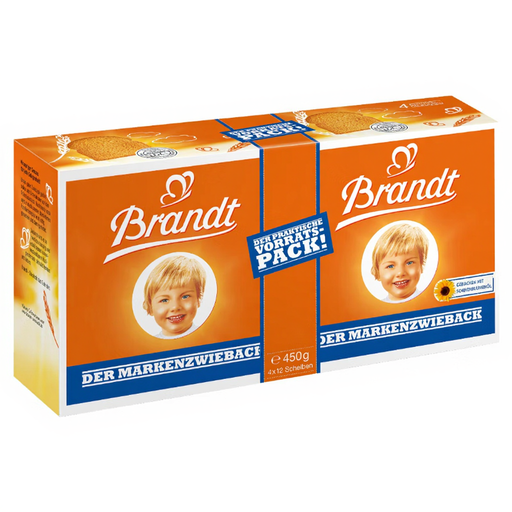
ALDI SÜD describes a classic rusk product in a 450-g pack.
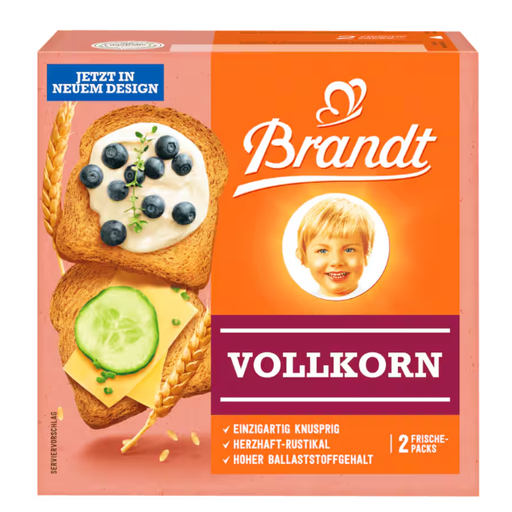
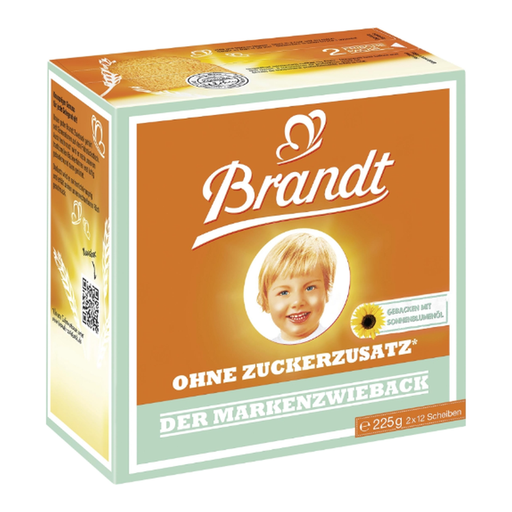
These three Brandt packs may suit a classic rusk offering or a wholemeal alternative. Base your serving plans and guest information on the ingredient and allergen details on the pack you buy.
 No image available
The two individual packs work well if you plan to serve the rusks in stages.
Pack size: 2 × 225 g. Before serving them unpackaged, check the ingredients and allergens on the packs you bought, and make this information accessible to guests.
 No image available
This wholemeal variety may be suitable if you’re planning to offer a clearly labelled alternative alongside classic rusks.
Pack size: 225 g. Wholemeal alone doesn’t confirm that a product is suitable for guests who need to avoid gluten; check the full ingredient and allergen information on the specific pack.
 No image available
This 225-g wholemeal pack is another rusk option to consider for a suitably planned offering.
Only include information about ingredients, allergens or added sugar in your guest information after checking the specific packaging.
Keep the ingredient and allergen information for each variety you serve readily available, so guests can find it easily before choosing and match it to the right product. Use the details from the packs you actually opened, and update the information whenever you change products.
No. A lactose-free label tells you nothing about gluten. The Brandt Lactose-Free Rusks described by REWE list wheat flour and barley malt extract, so check requirements for gluten-free products separately.
Use the pack weight and stated portions as a starting point, and plan standard and special-diet options separately. Brandt says its classic 450-g pack contains 48 portions. The GUT&GÜNSTIG pack described by EDEKA contains 450 g in total, split into three individual packs of 150 g each.
Follow the storage instructions on the pack you bought; REWE advises storing the Burger rusks it describes in a dry place. Open only the packs you need for each break, and keep their information available so guests can match it to the products at the buffet.