What should you look for when buying?
If you have an allergy or intolerance, first check whether the specific pack is suitable for you. Then you can compare wholemeal varieties, added sugar and pack sizes that work for your trip.
| What you’re looking for |
What to check when buying |
Who it matters most to |
| Ingredients and allergens |
Check the ingredients list and any may-contain warnings on the specific pack. If needed, look specifically for a lactose-free label. |
If the hotel offers me rusks without the original packaging, I need to know what’s in them before I eat them. For around 33% of consumers, checking allergens and suitability comes first. |
| Fibre |
Compare fibre per 100 g. REWE lists 8.5 g per 100 g for Brandt Vollkorn-Zwieback 225 g. |
I want to choose my coffee-time snack based on its fibre content, without expecting it to treat any symptoms. Around 27% of consumers prioritise this dietary goal. |
| Added sugar |
Read the claim, ingredients list and “of which sugars” value per 100 g together. REWE lists 4.5 g of sugar per 100 g for Brandt Markenzwieback ohne Zuckerzusatz 225 g. |
I want to avoid added sugar in my snack, even with coffee; the stated sugar content still matters when I’m choosing. Around 20% of consumers put this concern first. |
| Storing rusks in your hotel room |
Choose a pack size that suits the length of your trip, and store any opened rusks somewhere dry and as airtight as possible. |
Without a kitchen, I want a pack that’s easy to store during my trip. Around 20% of consumers prioritise this practical consideration. |
Rusks at Joybuy
This selection includes wholemeal rusks, a variety labelled “no added sugar” and classic rusks in a twin pack. The right choice to enjoy with your hotel coffee will depend in particular on your requirements for ingredients, nutritional values and pack size.
 No image available
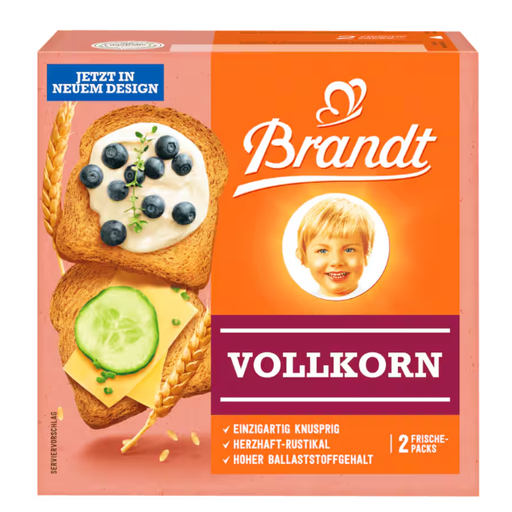
Brandt wholemeal rusks, 225 g
An option if you’re specifically looking for wholemeal rusks to enjoy with coffee. If fibre content matters to you, compare the amount per 100 g on the specific pack; check the ingredients and allergen information too, if needed.
View at Joybuy
 No image available
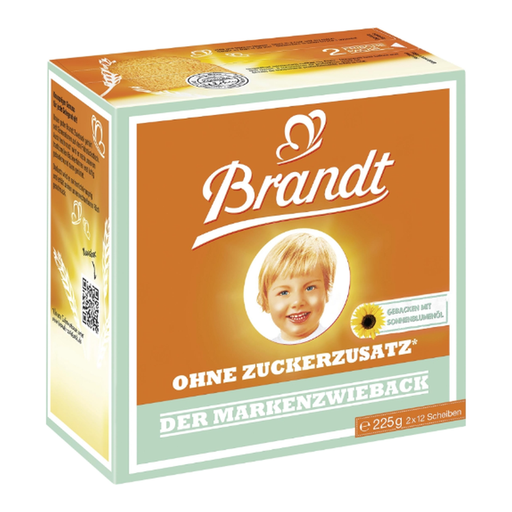
Brandt wholemeal rusks with no added sugar, 225 g
If you’re looking for rusks labelled this way to enjoy with coffee, check the ingredients list and “of which sugars” per 100 g on the pack before choosing. The description alone doesn’t tell you the sugar content. If you have an intolerance, check the allergen information too.
View at Joybuy
 No image available
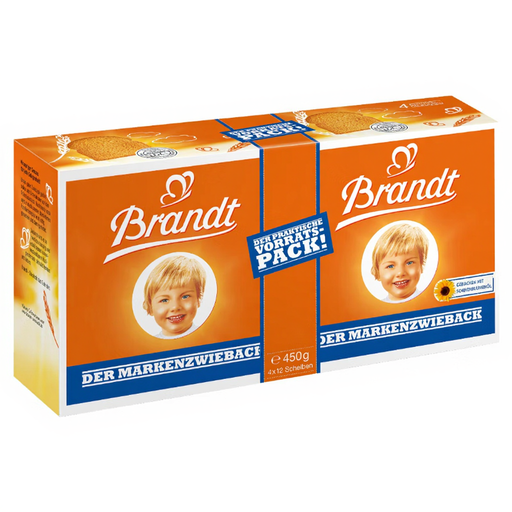
Brandt rusks twin pack, 2 × 225 g
Classic rusks for a dry snack with coffee, if two 225 g packs suit the length of your trip. If you have ingredient or allergen requirements, check the information on the specific packs.
View at Joybuy
Frequently asked questions
Can rusks alone help with digestive problems?
No. Rusks shouldn’t be relied on as a treatment. For chronic constipation, the German Nutrition Society lists a high-fibre diet, sufficient fluid intake and exercise as general factors. Seek medical advice about symptoms that are persistent, severe or new.
Which rusks should I choose if I want to avoid added sugar?
Look for the words “no added sugar”, and check the ingredients list and nutrition table too. REWE lists 4.5 g of sugar per 100 g for Brandt Markenzwieback ohne Zuckerzusatz 225 g, compared with 14 g per 100 g for the classic Brandt Markenzwieback 450 g listed there. “No added sugar” doesn’t mean “sugar-free”.
Are lactose-free rusks suitable if I need to avoid gluten?
Not necessarily. The Brandt Markenzwieback laktosefrei 225 g listed by REWE contains wheat flour and barley malt extract. If you have coeliac disease or a wheat allergy, check the relevant labelling on the specific variety. Lactose-free labelling doesn’t answer this question.
How should I store opened rusks in my hotel room?
Seal the pack as tightly as possible and store it somewhere dry. Moisture can affect their crispness; EDEKA recommends storing rusks somewhere dry and as airtight as possible.
What should I do if the hotel serves rusks without their packaging?
If you have allergies, ask for the original packaging or the allergen information for those specific rusks before eating them. You can’t tell whether they’re suitable just by looking at them if you don’t have the information for that variety.


